The U.S.-Russian-Japanese crew spent five months on the International Space Station, arriving there
Led by Nicole Mann of NASA, the first indigenousan American spaceflight, the astronauts left the station early Saturday morning. Less than 19 hours later, their Dragon capsule was already rocking in the sea, waiting to be loaded.
At the beginning of the week, due to strong winds and waves in the splashdown zone, they remained at the station for several more days. Their replacement arrived over a week ago.
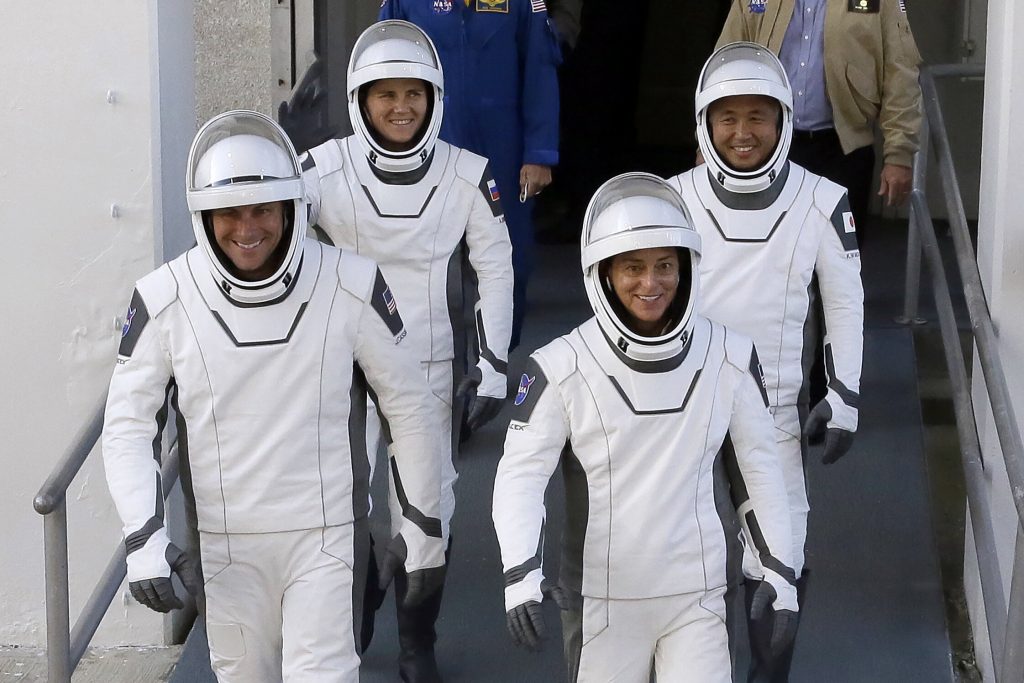 ISS mission
"It's been a hell of a ride," Mann radioed moments after splashdown. “We are happy to be at home.”
Mann, a member of the Round Valley Indian Tribe of Northern California, said she can't wait to feel the breeze on her face, smell the fresh grass and enjoy delicious earthy food.
Japanese astronaut Koichi Wakata craved sushi, and Russian cosmonaut Anna Kikina was eager to drink hot tea "out of a real cup, not a plastic bag."
NASA astronaut Josh Kassada's to-do list included a rescue dog for his family. "Please don't tell our two cats," he joked before leaving the space station.
Three Americans, three Russians and one astronaut from the United Arab Emirates remain on the space station.
Wakata, Japan's spaceflight champion, has spent more than 500 days in space on five missions since the era of NASA's shuttles.
Read more:
Named a vitamin that protects the brain from dementia
See how the Earth has changed over 100 million years on the most detailed map
It turned out which men are the most fertile: their sperm is 50% better than the rest