Engineers from the École Polytechnique Fédérale de Lausanne have developed a method that allows a robot to
Ornithopter landing. Video: EPFL
Landing a bird on a branch seems to be one of the mostnatural processes. But in fact, it requires an extremely precise balance between time, impact force, speed and accuracy of movement, the authors of the development note. Not surprisingly, until now, engineers have not been able to reproduce these movements in robots.
 Ornithopter landing system. Image: Raphael Zufferey et al., Nature Communications
Researchers have solved the problem of precise balanceequipping the ornithopter with an on-board computer and navigation system. It uses external sources to capture motion and determine the position of the device. The ornithopter's claw leg appendage was precisely calibrated to compensate for up-and-down vibrations during flight as the drone tried to grab a perch.
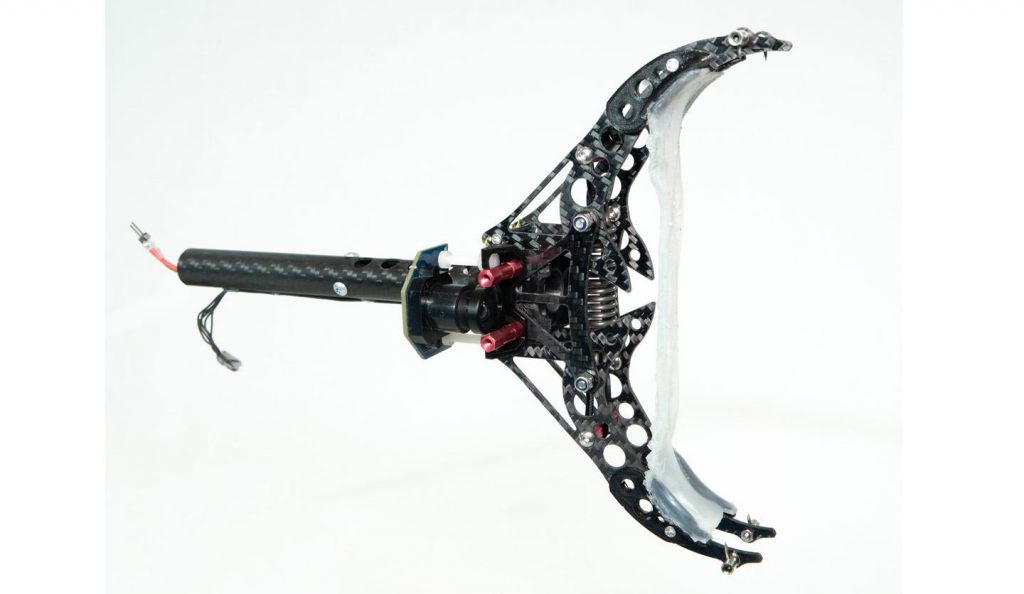
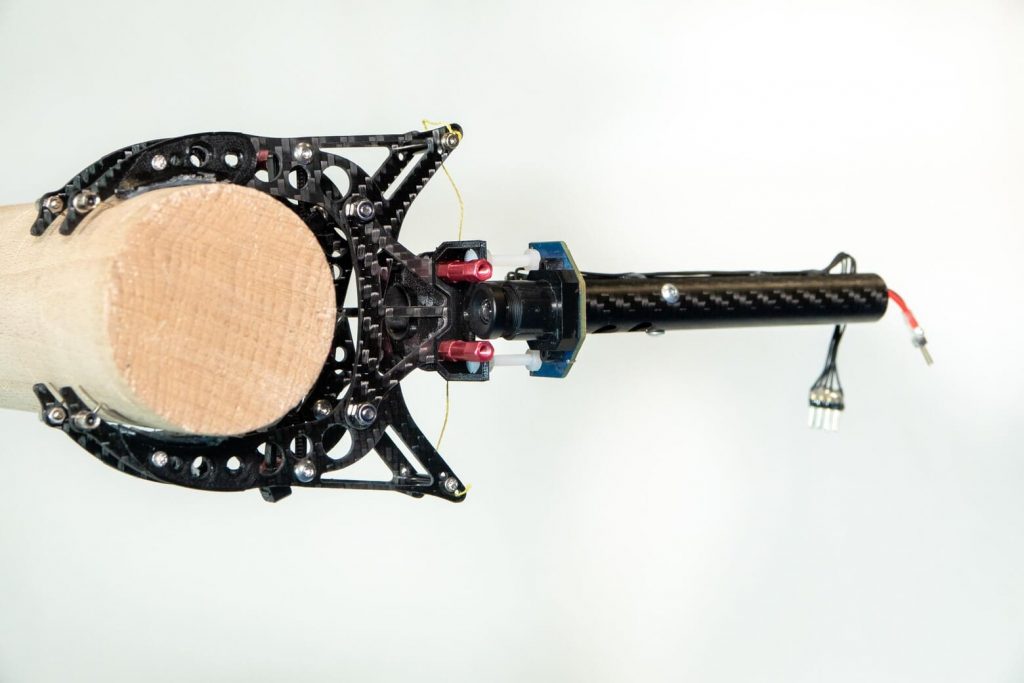
Ornithopter mount. Image: EPFL
The claw itself was designed in such a way thatabsorb the momentum of the robot's movement upon impact, and close quickly and securely to support its weight. Once on the perch, the robot stays on the perch without expending energy. The researchers are currently conducting flight tests in the lab.
Once the ornithopter learns on its ownland on a tree branch, it will be able to perform certain tasks, such as unobtrusively collecting biological samples or taking measurements from the tree. Eventually, it might even land on man-made structures, which could open up new uses.
Raphael Zufferey, co-author of the development
Read more:
Two planets have been found not far from Earth. Perhaps they are inhabited
A unique meteor rewrote the history of the solar system: where did it come from
The prototype module of the new ISS was blown up at the NASA center. Look how it was