A new study published in JAMA Neurology reports that some dietary supplements may
The study showed that the content of levodopa insome supplements range drastically from almost none to, in some cases, higher levels than normally prescribed in pharmaceutical formulations.
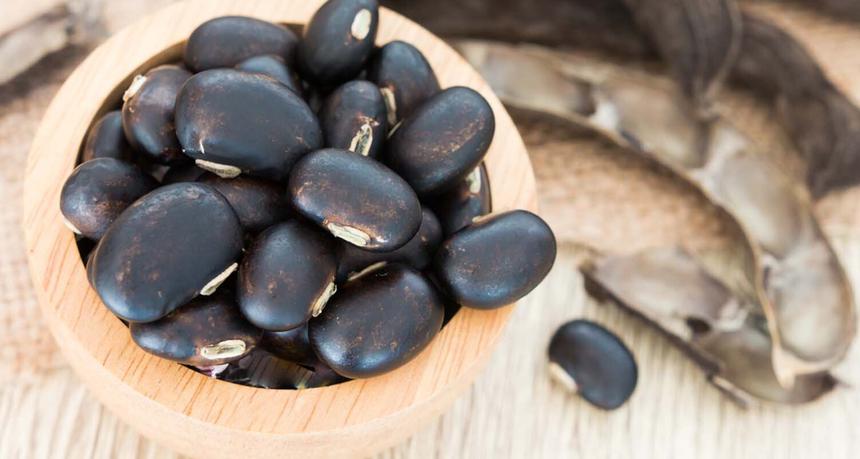
In the context of Parkinson's disease, levodopa therapycombined with another enzyme called carbidopa. A naturally occurring amino acid, levodopa is also found in a number of plants and herbs. One particularly potent source is a bean called Mucuna pruriens. The seeds of this plant can contain 3% to 6% levodopa, which is why it is often marketed as a natural dopamine-boosting dietary supplement.
A recent study showed that almost everyonethe tenth patient with Parkinson's disease is taking Mucuna pruriens dietary supplements. Therefore, the new study set out to accurately determine the amount of levodopa in these unregulated dietary supplements.
16 dietary supplements of Mucuna pruriens were analyzed,which, according to the researchers, contained a wide variety of levels of levodopa. One product contained no detectable amount of levodopa, while others ranged from 2mg per dose to an incredible 241mg.
Overall, the amount of levodopa found inadditives, often significantly exceeded the amount indicated on the label. According to study lead author Peter Cohen, the largest amount of levodopa found was more than what is normally given to patients with Parkinson's disease.
The researchers say they will forward their findings to the US Food and Drug Administration (FDA).
News stories cannot be equated with a doctor's prescription. Before making a decision, consult a specialist.