Although Tesla has been selling solar panels and batteries for many years, the company's new policy is to sell
“This is a prosperous future for both Tesla andand for utility companies. If this is not done, utilities will not be able to serve their customers,” Musk said on an investor call, noting rolling blackouts in California last summer and a recent grid failure in Texas. Thus, he emphasized that the reliability of energy networks has become a serious problem, TechCrunch reports.
Last week the company changed itswebsite so that customers couldn't buy just the solar panel or its Powerwall energy storage device, and would instead be required to purchase the system. Musk later announced the move in a tweet, saying that "solar power will be supplied exclusively to the Powerwall" and that the "Powerwall will only communicate between the utility meter and the home's main breaker panel, allowing for super-easy installation and Seamless whole-home backup during power outages.”
Musk says the grid will needmore transmission lines, power plants and large substations for complete decarbonization using renewable energy and storage systems. According to the businessman, distributed residential systems - of course, using Tesla products - will be the best option. His claim was partly supported by recent research from the Massachusetts Institute of Technology, which showed that the US could achieve a zero-carbon grid. How? Doubling your throughput. Additionally, a Princeton University study found that the country may need to triple its energy transmission systems by 2050 to meet its net-zero emissions goal.
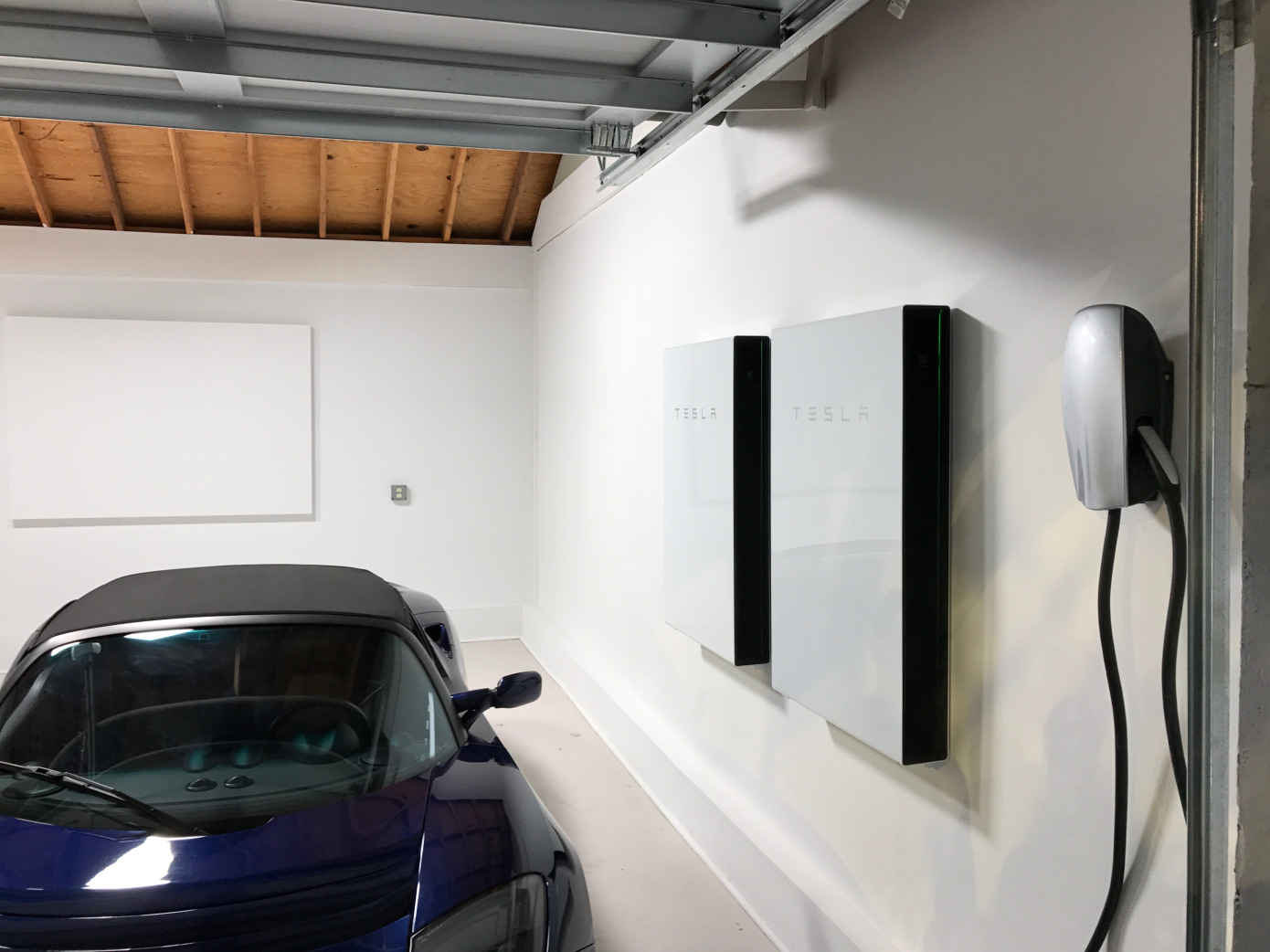 Photo: Tesla
Musk plans to create a power grid systemradically different from the one that exists today. It will be centrally controlled and managed by network operators and independent organizations. For example, such as the California Independent System Operator or the Electric Reliability Council of Texas. This vision is associated with bureaucratic and logistical problems. Utilities need to decide how to handle the large influx of distributed energy resources. We are talking about solar panels on the roofs of residential buildings. Such technologies may conflict with long-established utility business models.
Are renewables alone sufficient?energy sources and storage for decarbonizing the energy system is a controversial issue, notes TechCrunch. Experts believe land use demands, storage requirements and intermittency issues with renewable energy sources will exceed Tesla's ability to become a major power producer. But Musk has long been an optimist when it comes to renewable energy and energy storage. Last July, she tweeted that "physics favors electric vehicles, batteries for stationary storage, and solar/wind for power generation."
Read more
The first accurate map of the world was created. What's wrong with everyone else?
Scientists have decoded strange signals from space
Climate change has shifted the axis of the Earth
Municipal corporations are corporationsowned by municipalities. Typically, they are “organizations with an independent corporate status, governed by an executive board appointed primarily by local government officials, and with a majority of government ownership.”
Powerwall - lithium-ion battery,developed by Tesla. The battery is designed to conserve energy for domestic use, load shift consumption, and backup power.