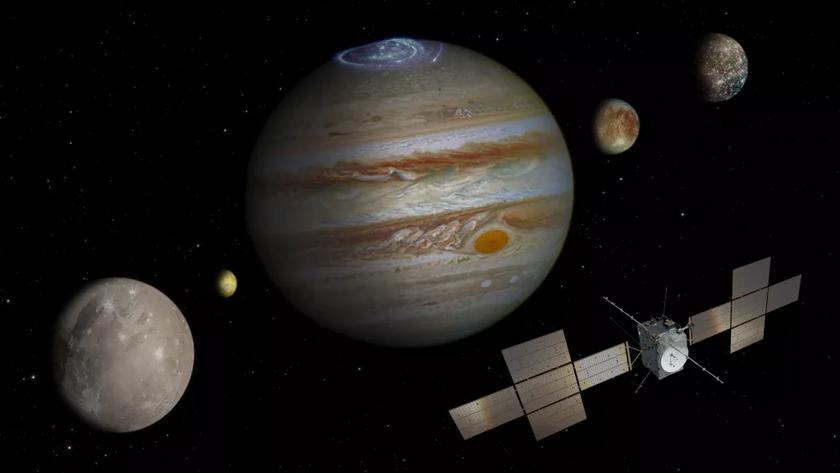
The European Space Agency (ESA) tomorrow, April 13, will send the first spacecraft in its history to
What is known
The interplanetary station is called Jupiter Icy MoonsExplorer (JUICE). Its cost is $ 1.6 billion. It will be launched into space using the Ariane 5 rocket, after which it will go to Jupiter on its own at a speed of 2.5 km / s.
</ img>
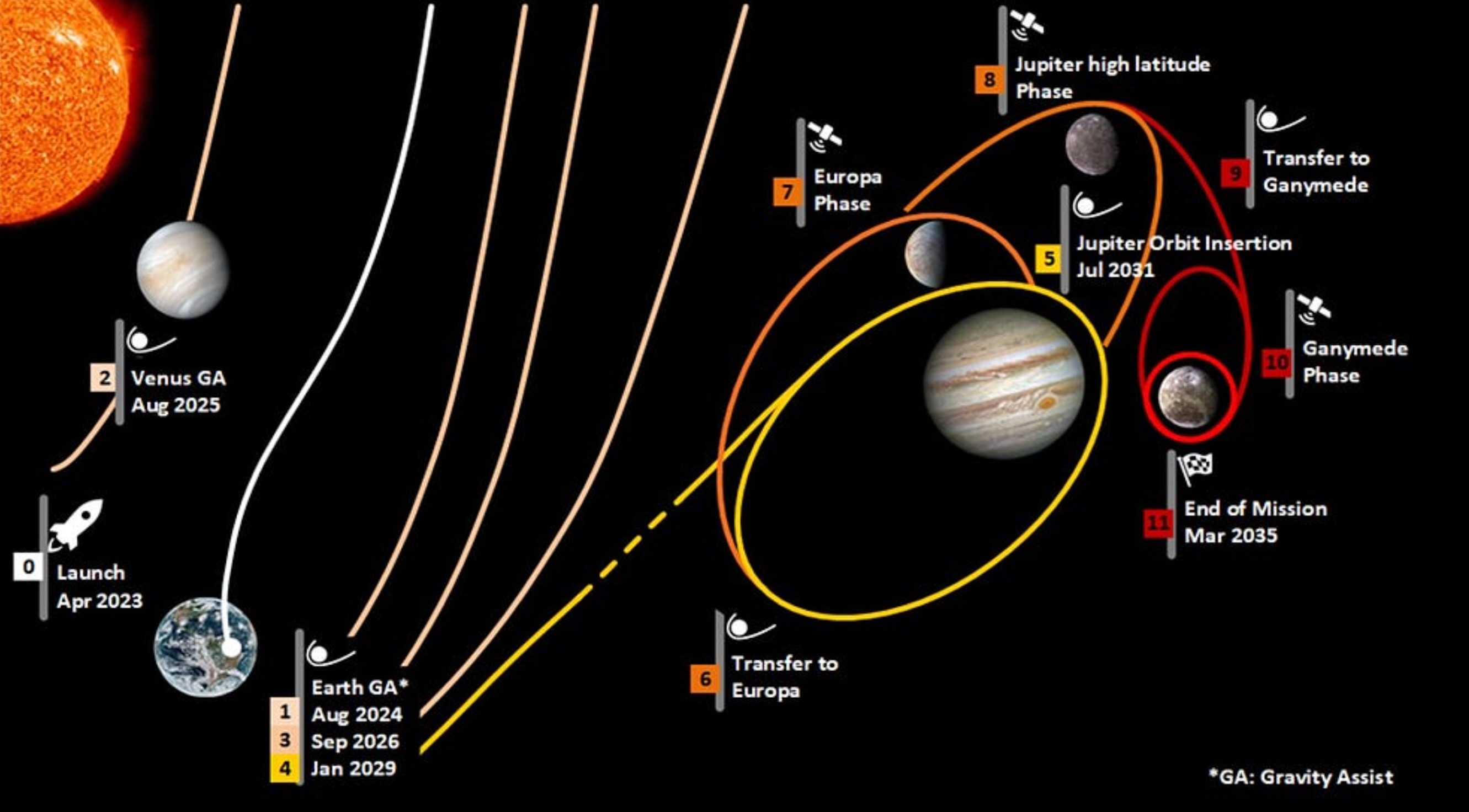
JIUCE will fly to the gas giant for 8years and will enter orbit by 2031. This is because the station's route will not go directly from Earth to Jupiter. The spacecraft will enter the orbits of other planets to accelerate. Also, do not forget that the distance between Jupiter and the Earth is constantly changing depending on time.
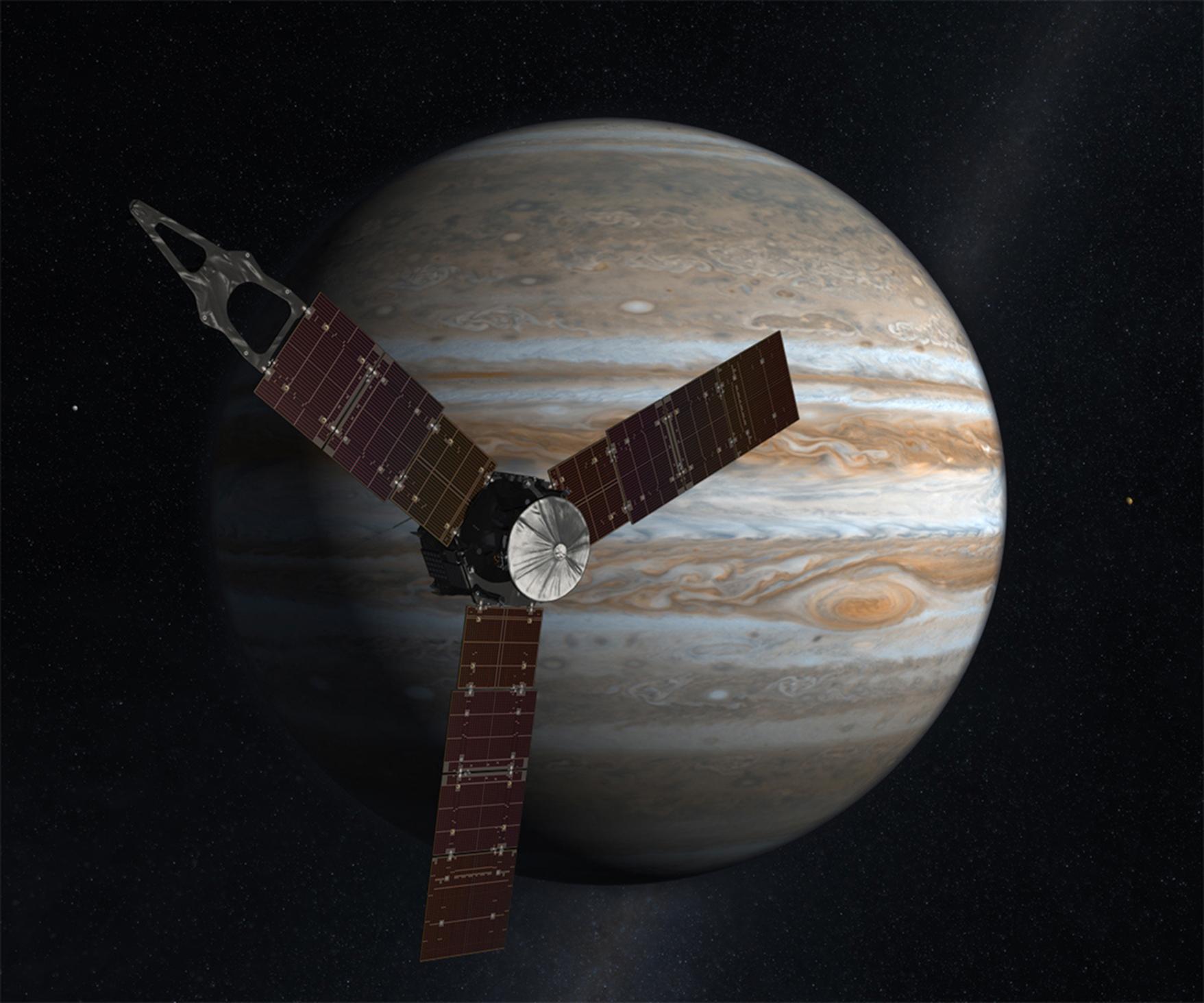
National Aeronautics Administration andNASA sent Galileo and Jupiter Polar Orbiter, aka Juno (pictured below), to Jupiter in 1989 and 2011. respectively. The first reached the goal in 6 years, and the second trip took 1 year less.
</ img>
Pioneer 10 is the first interplanetary station,that made it to Jupiter. The flight took less than two years (640 days). The record holder is Pioneer 11, which took only 606 days to fly to the largest planet in the solar system.
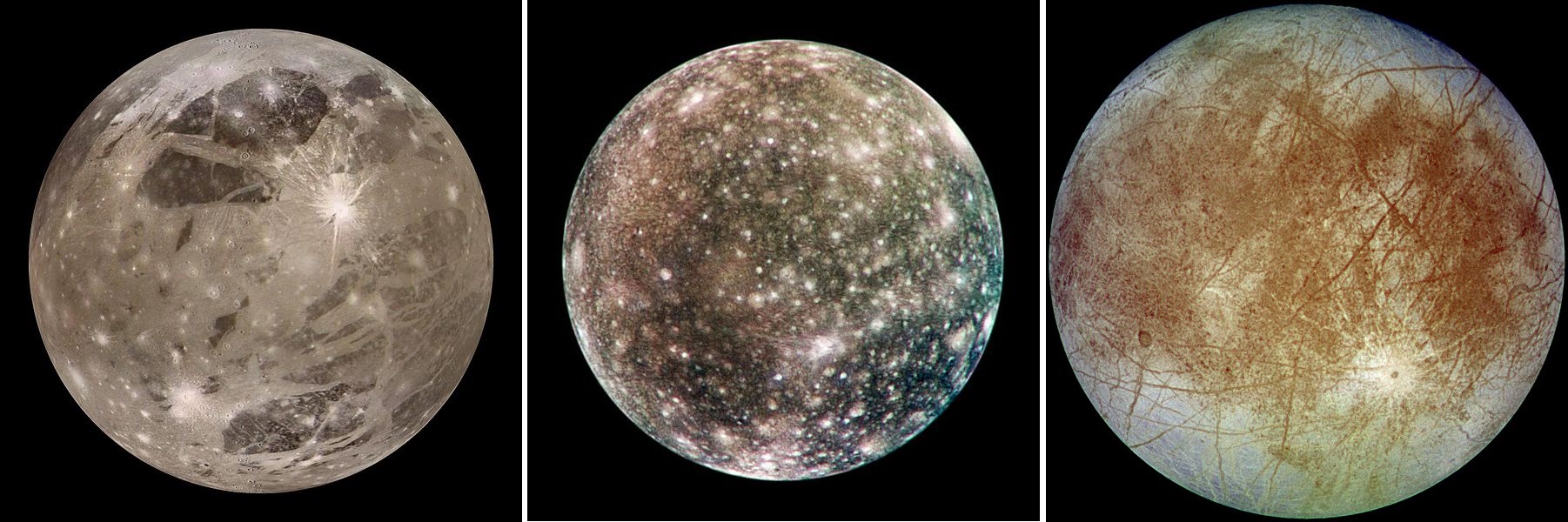
JUICE will perform maneuvers around the Earth and Venus.It will then be able to fly around Jupiter's largest moons, called Ganymede, Callisto and Europa (pictured below, in that order). According to scientists, oceans of water in a liquid state can be hidden under the ice of satellites and life can exist.
</ img>
From 2031 to 2035, the interplanetary station willrevolve around Jupiter, passing by three satellites along the way. After 2035, JUICE will leave the orbit of the gas giant. The station will move into orbit around Ganymede. Its feature, in addition to size, is the presence of a magnetic field.
JUICE won't spin around alonegas giant. In 2024, NASA should launch the Europa Clipper interplanetary station (pictured below). She will arrive at her destination in 2030. As you might guess from the name, the station will study the Europa satellite.
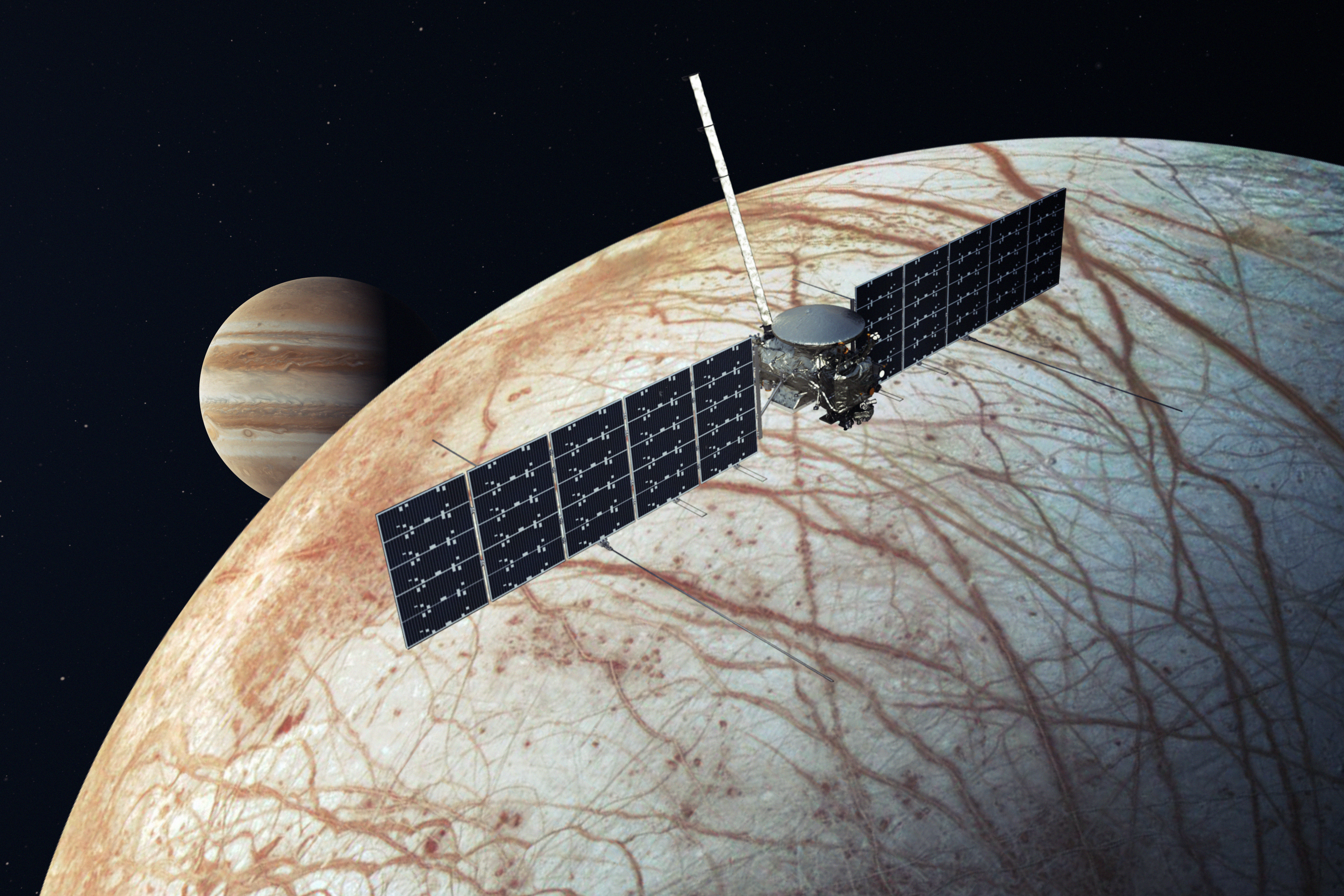
</ img>
Now in the orbit of Jupiter is the aforementionedformerly the Juno spacecraft. His mission will end in two years. But the Lucy station is on its way to the fifth planet of the solar system. The purpose of the mission is to study the Trojan asteroids of Jupiter.