Two functions of the pharynx
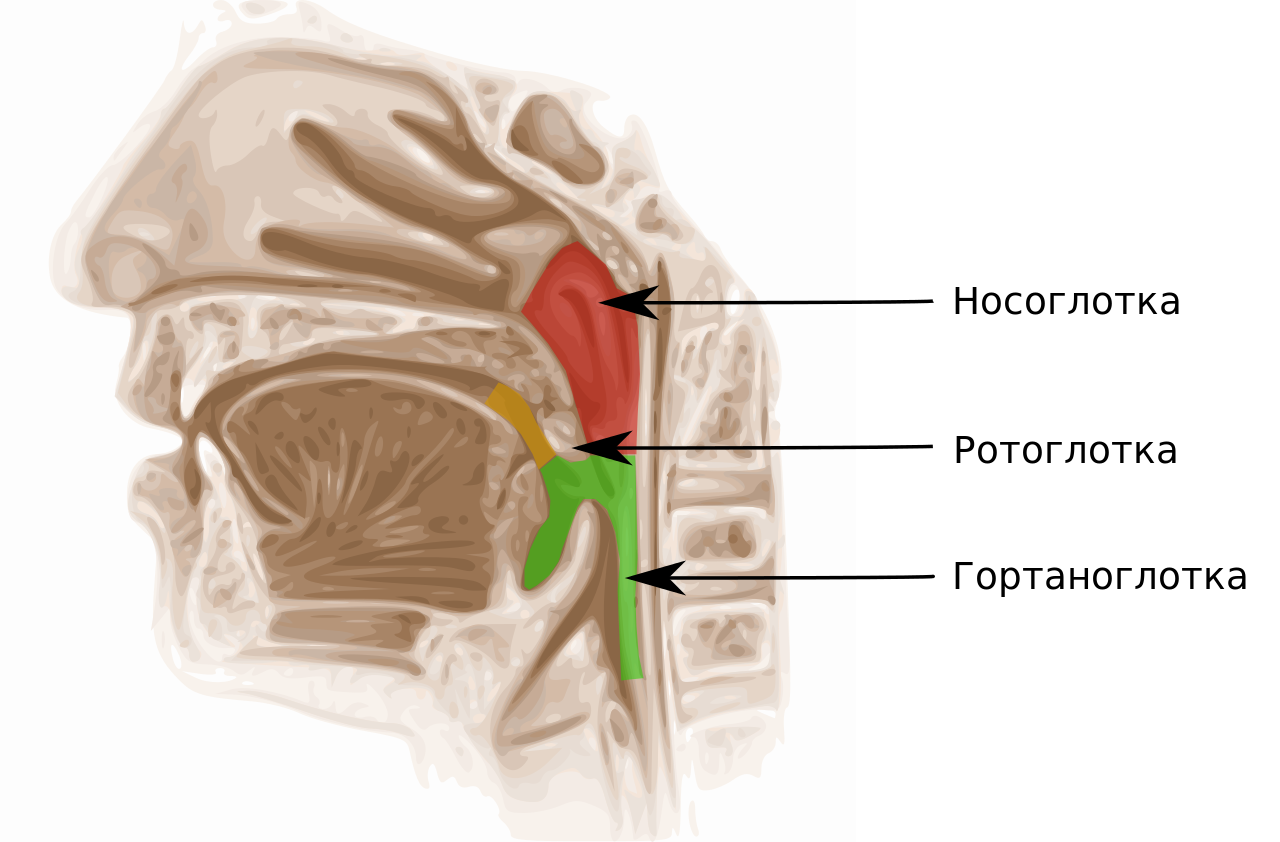
From a medical point of view, the pharynx is the connecting chain between the oral cavity and the
The main functions of the pharynx:
- breath
- swallowing food,
- voice education.
The fact that we use the same channel - the throat - for both eating and breathing has cost the lives of millions of people in history who have died from accidental suffocation while eating.
Impossibility of vitamin C biosynthesis
Vitamin C is one of the vital nutrients for us, that is, biologically significant substances for the body.Literally.
With vitamin C deficiency, a person develops a severe disease called scurvy, which canAnd nothing but foods containing the precious compound can save him.
And all because, unlike many othersvitamins, this one is not produced in our body. Organisms of humans (as well as primates, guinea pigs, some species of bats and birds) in the course of evolution have lost the ability to produce it on their own and are forced to consume it from the outside.
We do not know how to store vitamin C, but it is involved in the production of thyroid hormones, the neurotransmitter serotonin and is involved in the processes that ensure the flow of glucose into cells.
Inconvenient urinary tract in men
Male urethra representsa tube about 18 cm long, extending from the bladder to the external opening of the urethra, on the glans penis. Urethra serves not only to drain urine, but also to pass semen that enters the urethra.
The urinary tract in a man's body runs through the prostate gland instead of bending around it - as a result, swelling of the canal (for example, due to inflammation) blocks sexual function.
The close location of the genitals and anus
The colonies of bacteria that inhabit the intestines and vaginas vary.Disturbance of the natural balance of the vaginal biocenosis – when intestinal bacteria get into theinto the vagina, occurs when the rules of hygiene during sex are not observed.
Anatomically, the vagina isa muscle tube, protected from the inside by the epithelium - several layers of cells tightly connected to each other. The upper layer of the epithelium contains a supply of glycogen - a polymer of glucose, which forms the body's energy supply. The beneficial microflora of the vagina - lactic acid bacteria feeds on glycogen carbohydrates.
Disease-causing bacteria can enter the vagina in two ways:
- Ascending – when the infection rises from the anus or perineal area, fromlabia, urinary tract or vaginal vestibule.
- Descending - vaginitis pathogens fall onvaginal mucosa with lymph or blood flow from foci of chronic infection. Diseased kidneys, untreated dental caries and chronic tonsillitis can become a "supplier".
Narrow birth canal
The pelvis is conventionally divided into small and large.The uterus with the fetus is located in the large pelvis of a pregnant woman. The small pelvis is the birth canal. The baby is positioned head down to the opening of the small pelvis at 7-8 months of pregnancy. With the onset of labor, the fetus enters the pelvis.
The pelvic cavity (birth canal) is geometrically quite complex, has different shapes and sizes at different levels of section.
However, the birth canal is not wide enough, and the woman at least experiencesduring childbirth, painful sensations, and in the worst case,injury or death.
Because of these painful sensations, a woman maydisturbed cardiac activity and breathing; prolonged pain can lead to premature fatigue, cessation of uterine contractions, lack of oxygen in the fetus (hypoxia).
Strong pressure on the spine
The spinal column has an S-shape, due to which it has elasticity, so a person is able to take various postures, bend, turn, and so on.
If the intervertebral discs were not made of cartilage tissue, which is capable of being flexible, then a person would be permanently fixed in one position.
As humans began to move upright, their spine evolved to become more rigid and adaptable, for example, for climbing trees and rocks.
However, in order to maintain the body above the lower back instraight position, keep the head and not interfere with childbirth, the spinal column should not be straight, but curved forward, as in lordosis, that is, have an S-shape.
Excessive pressure on the knees
The patella is located in the front of the joint.(knee cap). The patella and quadriceps femoris are connected by a tendon, the continuation of which is the patellar ligament. The ligamentous apparatus includes:
- lateral (peroneal and tibial collateral);
- posterior (popliteal, arcuate, patellar ligament, medial and lateral support);
- intra-articular (cruciate, transverse knee ligament (between the menisci).
Knees are congested due to upright posture. This complicates the functioning of the knee joints. We are forced to distribute our weight to only two limbs, which leads to pain and arthritis.
Eye device
Creationists often cite this organ as evidence for intelligent design.Back in the 19th century, Hermann Helmholtz was a great optician and specialistAs for the eyes, I saw a lot of design defects in the structure of the eye.
The eye is made extremely imperfectly, patches and design defects are compensated by fine-tuning and revisions.For starters, our eyes are turned inside out.
In vertebrates, the photoreceptors look inside the skull, and the photoreceptor cell itself is in front of it.This eye design stretches back to the earliest chordates.
Now, the nerves that transmit signals from the photoreceptors to the brain must approach the retina from the outside and then go inside.To do this, a hole had to be made in the retina, the so-called blind spot.
In general, we get a very low-quality picture from the retina, but it corrects the situationHowever, it is precisely because of this that a person is subject to all sorts of visual deceptions.
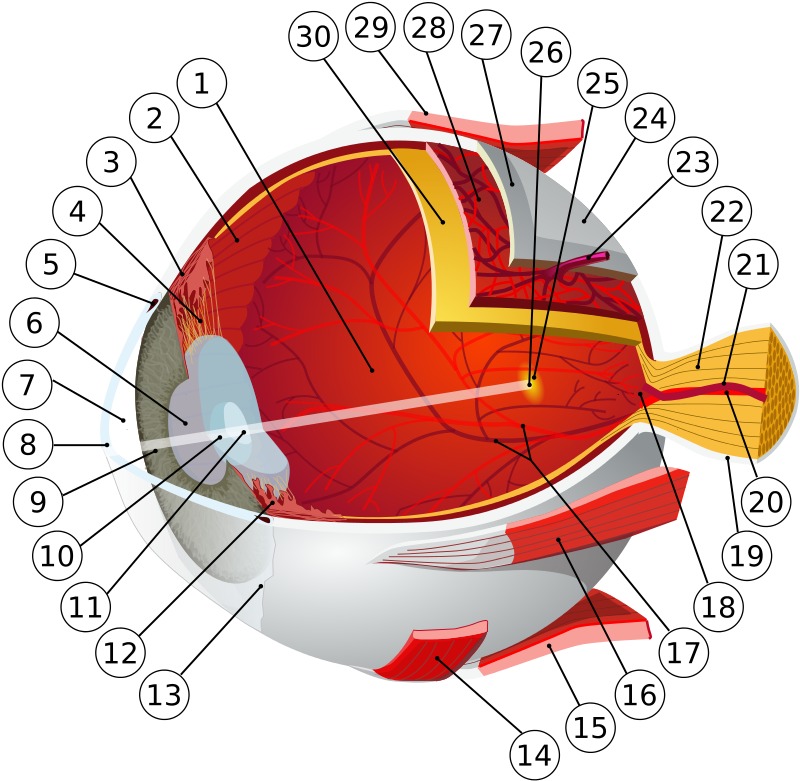 1. Vitreous humor
2. Serrated edge
3. Ciliary (accommodative) muscle
4. Ciliary (ciliary) girdle
5. Schlemm canal
6. Pupil
7. Front camera
8. Cornea
9. Iris
10. Lens cortex
11. The nucleus of the lens
12. Ciliary process
13. Conjunctiva
14. Inferior oblique muscle
15. Lower rectus muscle
16. Medial rectus muscle
17. Retinal arteries and veins
18. Blind spot
19. Dura mater
20. Central retinal artery
21. Central retinal vein
22. Optic nerve
23. Vorticose vein
24. The vagina of the eyeball
25. Yellow spot
26. Central fossa
27. Sclera
28. Choroid of the eye
29. Upper rectus muscle
30. Retina
Read more
Uranus has received the status of the strangest planet in the solar system. Why?
Physicists have created an analogue of a black hole and confirmed Hawking's theory. Where it leads?
Abortion and science: what will happen to the children who will give birth