Flaming Australia
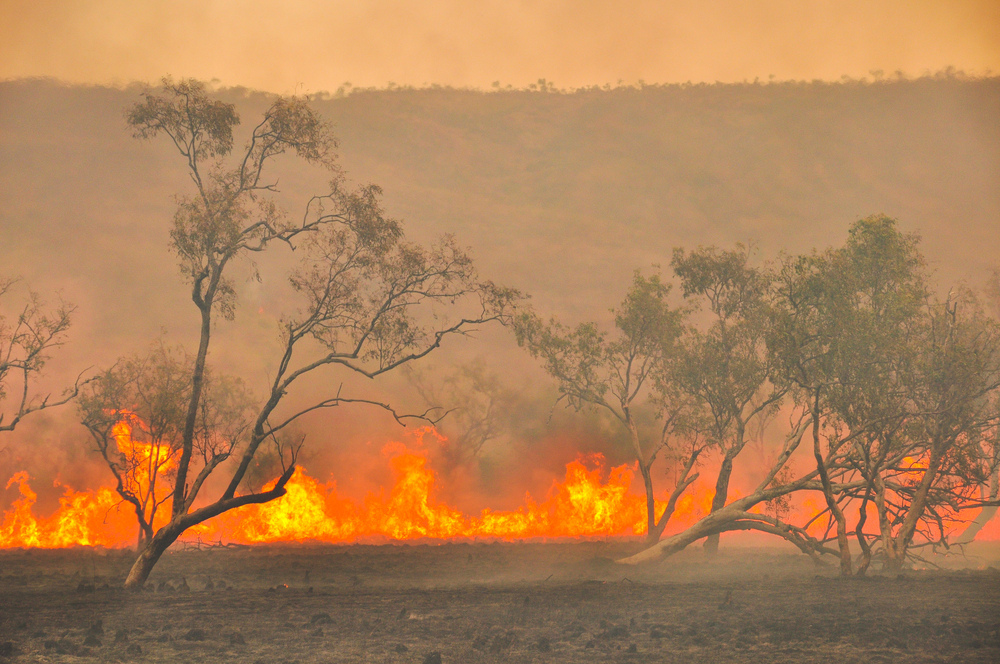
Bushfires that engulfed south-eastern Australia between July 2019 and March 2020
The intensity of fires in Australia has affected the entireworld. A particularly intense fire resulted in the formation of tall pyrocumulonimbus clouds, sending hundreds of thousands of metric tons of smoke into the stratosphere. Recall that a pyrocumulonimbus cloud forms over heat, usually from a fire or volcano.
One such dry massive cloud of smoke enveloped inwinds, rose to a record 31 km into the atmosphere, deep into the Earth's protective ozone layer. Although it is unclear what chemical scars it left, such a large plume of smoke could trigger ozone-depleting reactions.

California on fire
Wildfires in the Western US in 2020 hitall records, and photographs of the disaster spread all over the world - the sky orange from the flames, destroyed houses and entire areas shrouded in acrid smoke… By mid-November, more than 9,000 fires had burned 2.5 million acres in California. By the way, this is twice as much as in 2018. That year was also called a record year. Meanwhile, Colorado experienced three of the largest wildfires in state history. Collectively, these fires have burned more than 541,000 acres.
The role of climate change in these firesmultifaceted. From California to Colorado, rising temperatures due to climate change have led to earlier spring snowmelt. As a result, by summer the vegetation became too dry. In California, dry vegetation combined with a record heat wave has prepared the landscape for massive fires.
Climate change increases frequencyextreme climatic conditions. California's heat and drought conditions have become more severe during the summer and fall. The number of days per year with extreme weather conditions has increased sharply. Future climate modeling predicts an increase in drought for at least the next few decades. It looks like the fire records of 2020 are unlikely to last long.
Siberian crisis
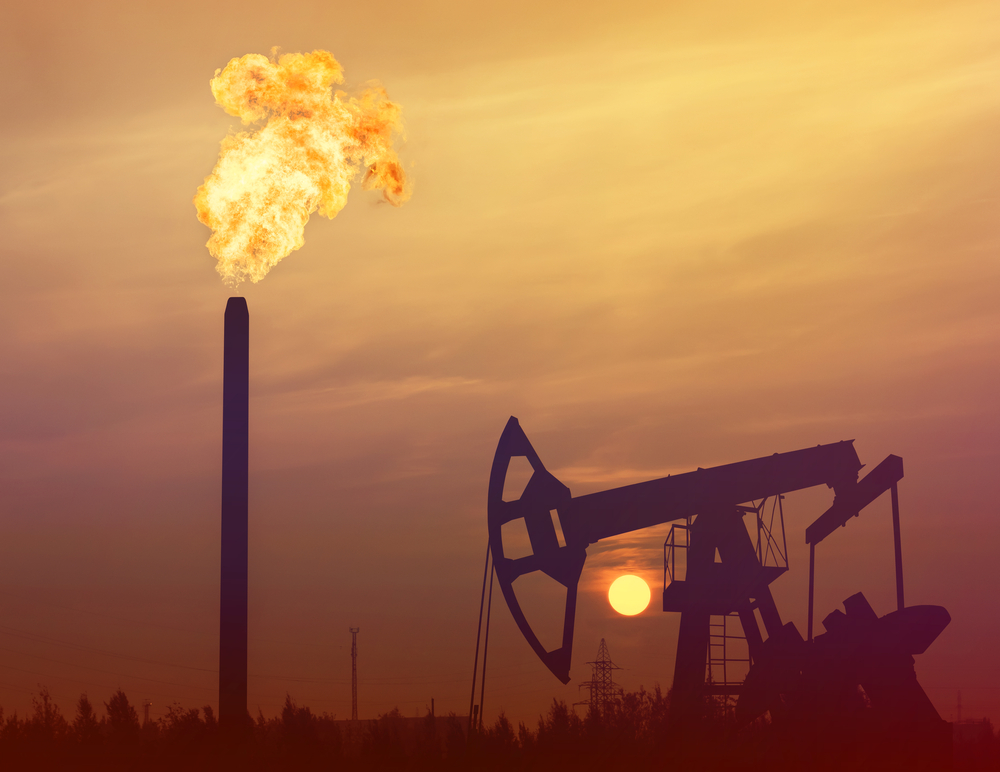
From January to July, Siberia was in the grip of a powerful heat wave that led to record high temperatures for the region, unprecedented wildfires in the Arctic and thawing permafrost.
It's so hot in Siberia —с температурами до 38 °C — была бы невозможна без изменения климата. Влияние человека увеличило вероятность повышения температуры в 600 раз. Более того, углекислый газ, выброшенный в атмосферу в результате лесных пожаров в Арктике в этом году, побил предыдущий рекорд для региона, установленный в 2019 году. CO₂ может вызвать дальнейшее потепление, а пожары — ускорить таяние вечной мерзлоты. Это приведет к загрязнению атмосферы еще одним парниковым газом — метаном, который как раз и хранится в мерзлоте.
Abnormally hot Arctic
Annually for the last 15 yearsenvironmental scientists publish a report on the state of the Arctic. Data released in December 2020 confirms an alarming trend: the North Pole is warming up twice as fast as the rest of the planet. 2020 did not break the record set in 2012, but the numbers are closest.
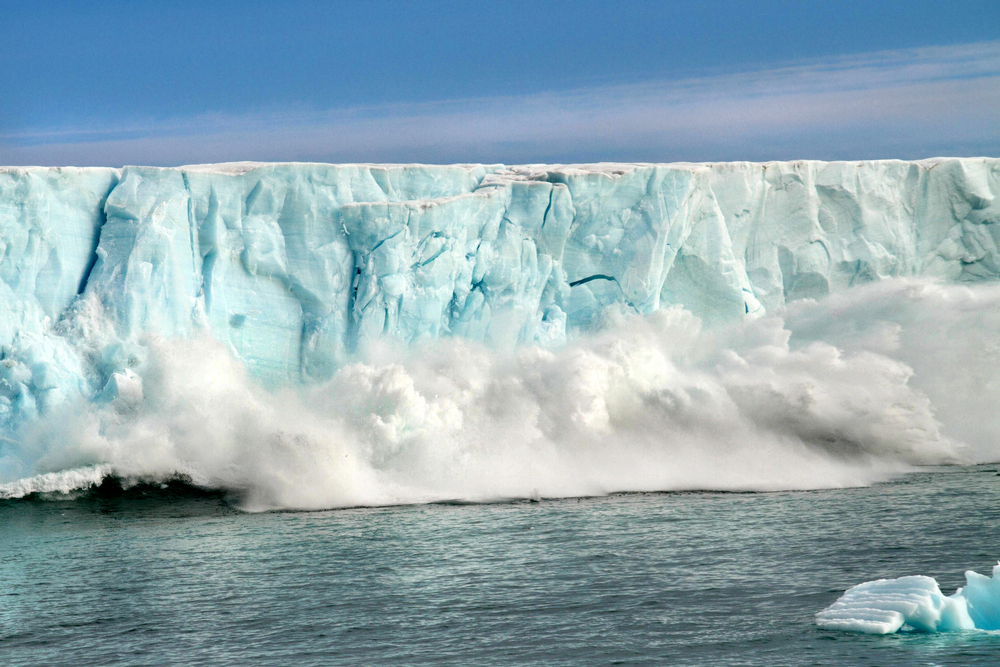
Sea ice floating in the Arcticocean, melts in summer and freezes again in winter. The problem is that every year it melts more and freezes less. And there is no doubt about the nature of the melting of this region. The late summer thaw of 2020 was the second-worst year on record after 2012.
С 2010 года спутники нового поколения могут measure the thickness of the ice, and here the news is also grim. Every year the ice becomes thinner and more fragile. In addition, it was in 2020 that a new disappointing forecast appeared - by 2100, sea level could rise by 40 cm.
Record hurricanes
Back in April, scientists predicted that the seasonThe Atlantic hurricane season, which typically lasts from June 1 to November 30, will be particularly intense. Climatologists have warned that we should expect about 18 named storms (usually there are about 12 hurricanes per season). By August, scientists had raised their forecasts to 25 storms. But 2020 exceeded these expectations: by mid-November there were already 30 named storms. The record set in 2005 was broken.
Difficult to link climate change to quantitystorms that occur in a particular year. Yet warmer ocean waters such as the Atlantic Ocean this year are fueling tropical cyclones. Warming water is linked to climate change as the ocean's surface absorbs excess heat from the atmosphere. But other factors, including wind conditions, are involved in the formation of hurricanes, making it difficult to establish a direct link.
But there is an established connection betweenwarming oceans and increasing hurricane intensity and precipitation. For example, warm Atlantic waters contributed to the severe storms of the 2017 hurricane season.
And as the world saw in 2020, very warmocean waters affect the acceleration of hurricanes, leading to dangerous, difficult to predict, suddenly intensifying storms. Rapid boost is defined as an increase in wind speed of at least 55 km / h in just 24 hours. In 2020, this happened during 10 Atlantic hurricanes.
Read also
AI solved the Schrödinger equation
Abortion and science: what will happen to the children who will give birth
"Study failed": Sputnik V testers will no longer receive placebo