Almost every year, a new generation of Samsung smartwatches brought with them new features. It would seem -
Fast passage
- 1. Durability: sapphire protective glass
- 2. Autonomy: increased battery capacity and fast wireless charging
- 3. Measuring accuracy: improved Samsung BioActive sensor
- 4. New features: blood pressure and cardiogram
- 5. Ready for innovation: infrared temperature sensor
- Bonus: Differences between Watch5 Pro and Watch5
- Top 5 things to know about the Galaxy Watch5 series
1. Durability: sapphire protective glass
</ img>
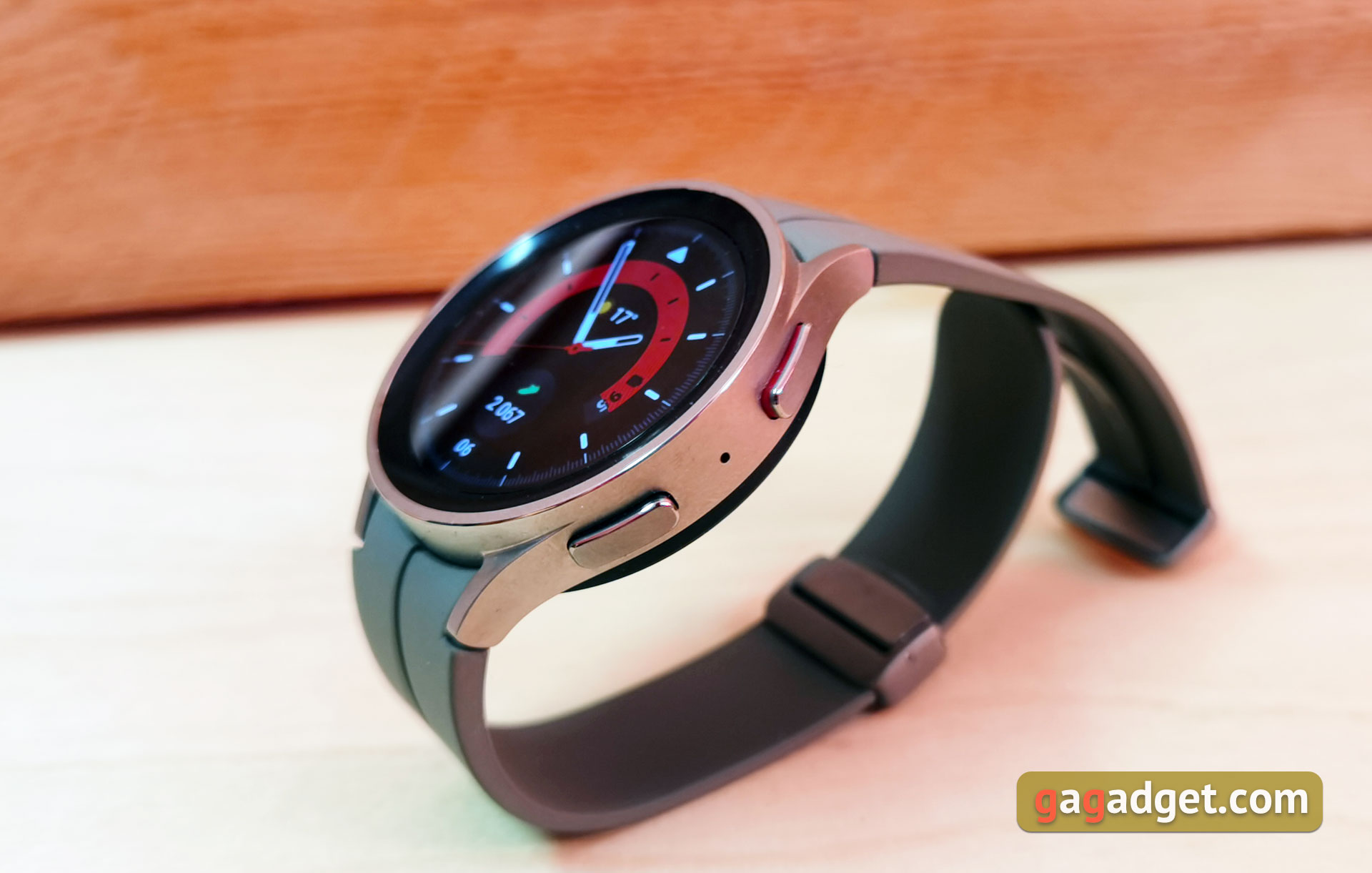
If the previous generation of watches usedprotective coating Gorilla Glass DX, then the Galaxy Watch5 uses sapphire glass for this purpose. What does it mean when a manufacturer talks about sapphire glass? We know that sapphire is a precious stone, usually blue. Obviously, it is not transparent in itself. A short lecture is clearly needed here. Firstly, sapphire is a special case of the mineral corundum. This word comes almost from Sanskrit, it comes from Southeast Asia (the largest sapphires known to mankind, by the way, were found in Sri Lanka). The composition of corundum is aluminum oxide (grainy corundum chips are called emery, we are familiar with it from sandpaper). Red corundums are called rubies, blue ones (although there are also pink ones) are called sapphires. There are also colorless (transparent) sapphires - they are called leucosapphires. Synthetic sapphires are also called leucosapphires, which, apparently, are relevant to our question, since they are used in the manufacture of a wide variety of watches (as well as space station windows, armored glass, and are also used in dentistry or ophthalmology).
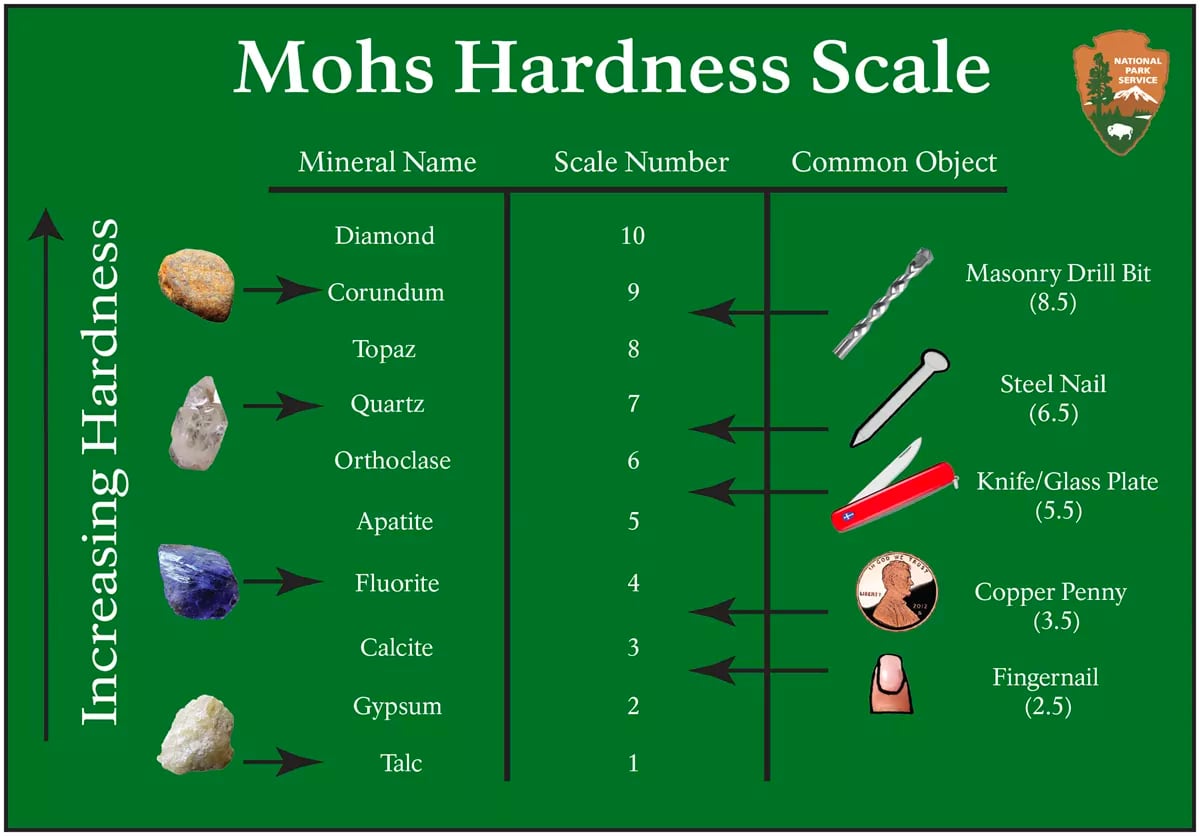
How durable is sapphire?In 1811, German mineralogist Friedrich Mohs (Mohs) proposed a 10-point scale (from talc to diamond) to evaluate the strength of minerals. The general idea was this: if a mineral is capable of leaving a scratch on a reference mineral on the scale, then its hardness is rated higher on the scale. And, conversely, if the mineral can be scratched by the reference one, lower. This scale, as you might guess, was called the Mohs scale and has since been used to evaluate strength (perhaps in the near future we will begin to rely on it, as in the specifications of IPX protection classes).
</ img>
Illustration:National Park Service
As you can see, corundum is second only todiamond Accordingly, to leave a scratch on a watch with sapphire crystal, you will need at least a diamond glass cutter. But in reality, everything is a little more complicated (let me remind you, we are dealing with synthetic materials): on the Mohs scale, the protective glass of the Galaxy Watch5 has a rating of 8 points (which is 1.6 times higher than that of the Watch4). And the protection of the Galaxy Watch5 Pro is rated at 9 points (which is 2 times higher than that of the previous generation watches). Don't be confused by decimal fractions - the modern Mohs scale has long contained not only 10 points, it contains many intermediate materials, the strength of which was no longer assessed using 19th century technologies. Thus, if the manufacturer is talking about sapphire glass, then he does not want (and cannot, let’s be honest) burden you with these three paragraphs of calculations, if they can be replaced with ONE word). Which in no way detracts from the result - the glass is really strong and it is extremely difficult to damage it.
</ p>2. Autonomy: increased battery capacity and fast wireless charging
</ img>
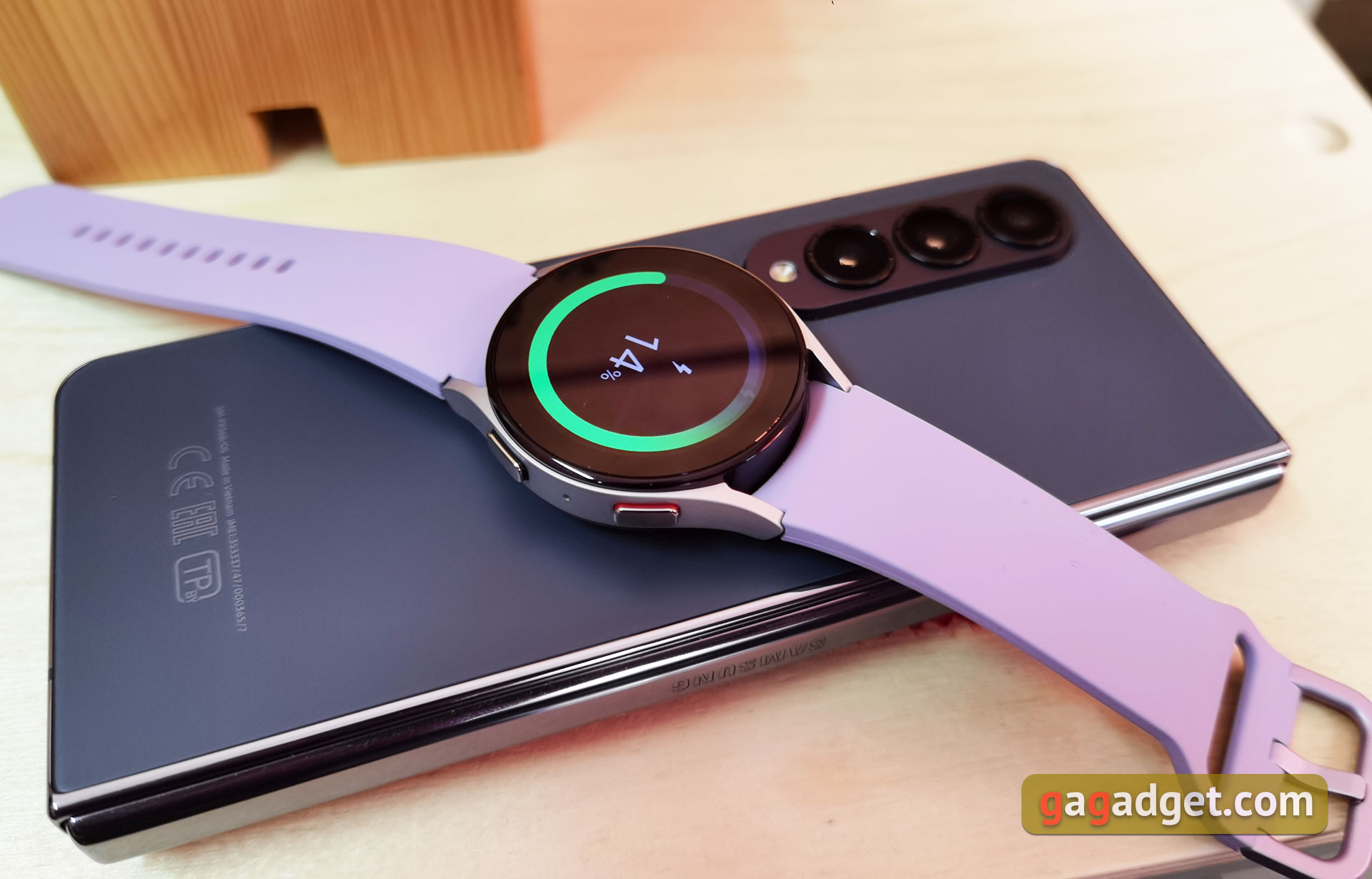
Every smartwatch owner wants their timebattery life was higher. All manufacturers, of course, are working comprehensively with this problem. Here you can move in two directions - either increase the battery capacity, or optimize the operation of the operating system and software. The first decision is complicated by the fact that watches have a natural limitation in the form of physical dimensions, where every cubic millimeter of space counts. The second is that, in addition to optimization, there are a lot of factors that are influenced by the user himself: display brightness, the number of installed (and running in the background) applications. And simply - how often the user interacts with his watch during the day. However, Samsung managed to increase the capacity of the Galaxy Watch5's built-in battery. At the same time, wireless charging (as we know, this watch has no other option) has become faster, providing 45% of the battery capacity in the first half hour of charging, which reduces the full charging time by about a third compared to the previous generation watches (and this despite the increased battery capacity ). For comparison, battery capacity in hours:
- Galaxy Watch4: 247 mAh
- Galaxy Watch4 Classic: 361 mAh
- Galaxy Watch5(40 mm/44 mm): 284 mAh / 410 mAh
- Galaxy Watch5 Pro: 590 mAh
3. Measuring accuracy: improved Samsung BioActive sensor
</ img>
Frame from Galaxy Watch5 presentation
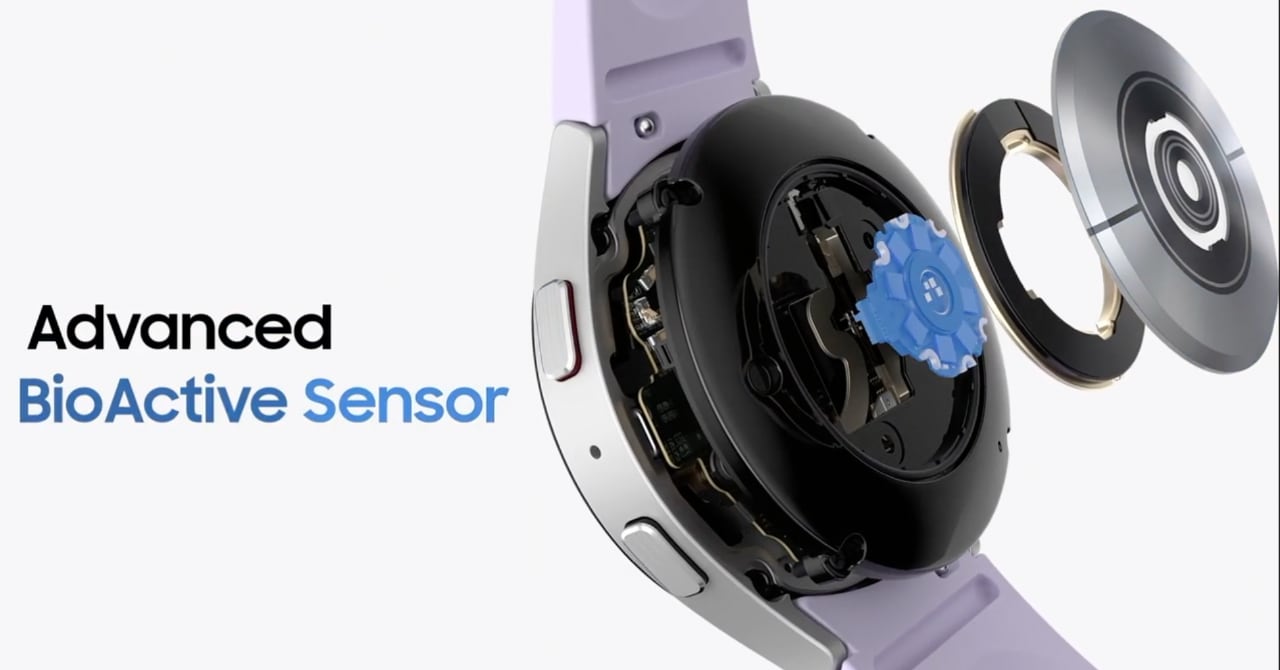
The Samsung BioActive sensor appeared in the GalaxyWatch4, but in the new watch the accuracy of his work, of course, has been improved even further. Firstly, due to a tighter fit of the watch to the skin and adjustments taking into account sweat production. Secondly, thanks to cooperation with research institutes that study relevant fields of knowledge and have accumulated enormous knowledge over the year of work. These are the National Sleep Foundation and the University of California San Diego, whose expertise helps evaluate sleep quality watches. The Pennington Biomedical Research Center at Louisiana State University assisted in the bioimpedance analysis evaluations. Finally, thirdly, the algorithms used for fitness training were worked on by Google employees and their partners from Exos, world-renowned specialists in an integrated approach to training both ordinary people and professional athletes.
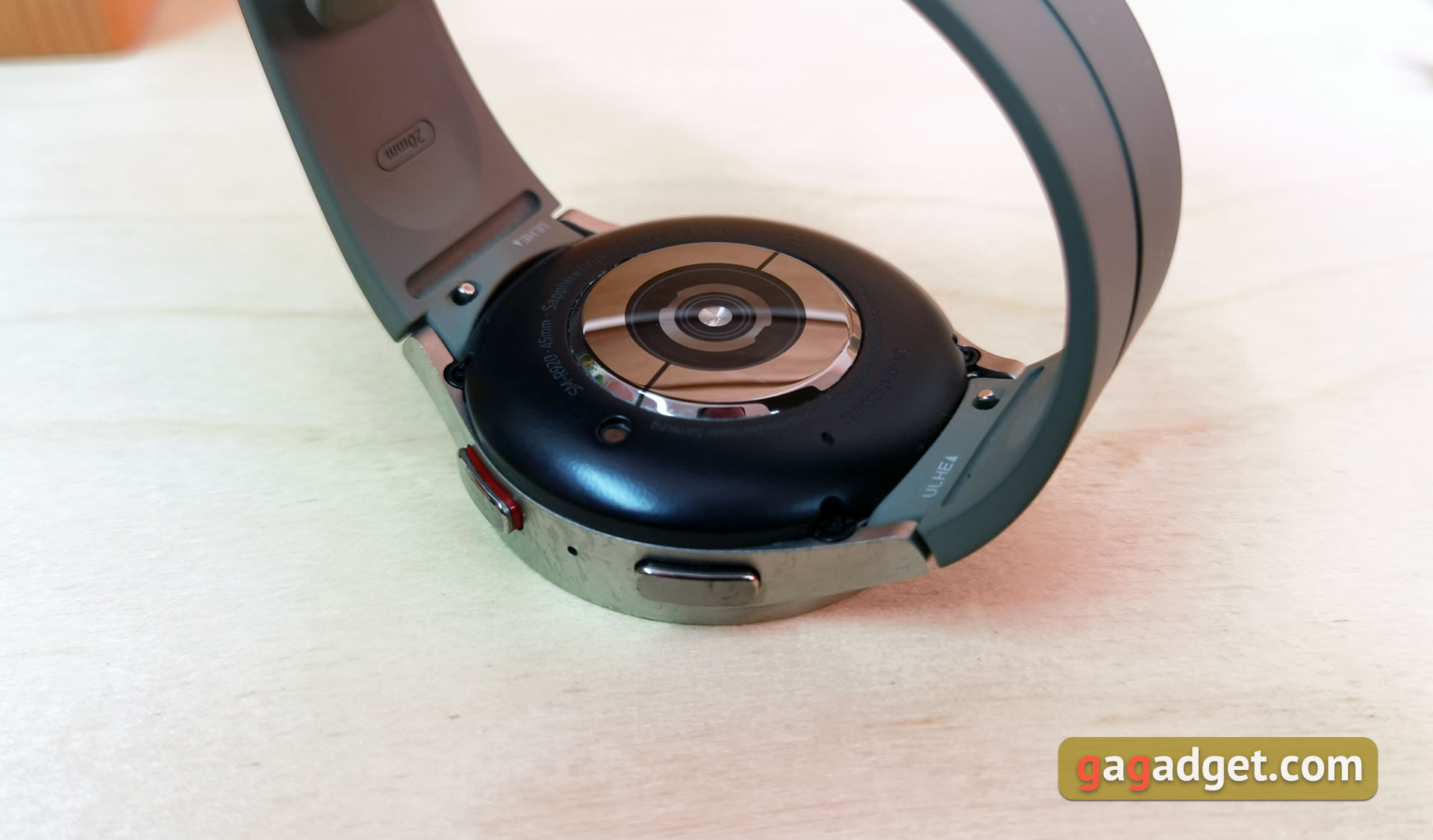
</ img>
The main purpose of this BioActive sensor isBody bioimpedance analysis (BIA), which allows you to determine the percentage of fat, muscle and water in the body. To do this, microcurrents are used that pass through several points on the body - for measurements that last 15 seconds, you need to specially place two fingers on both buttons of the watch. It all looks like some kind of techno-magic, but Samsung says that the measurement accuracy already reaches 98% (although it fails if the user is under 20 years old).
Be that as it may, but all this techno-magic givesresults - modern smartwatches can automatically determine the type of physical activity from a dozen of their varieties, such as jogging, cycling or swimming. They are able to assess the quality of sleep (and determine snoring, for example). Not to mention such simple things as measuring the pulse or blood oxygen saturation, which even penny bracelets can now handle. Ultimately, all of this makes smartwatches useful for fitness and health tracking. They help you train more effectively and achieve your goals, as well as help you understand how to relax and recuperate better (for example, through properly organized sleep, nutrition and proper water intake).
</ p>4. New features: blood pressure and cardiogram
Strictly speaking, the ability to measure ECGappeared on the Galaxy Watch4, but due to complex licensing procedures, it was still blocked in our country. Against the backdrop of the newly opened and truly long-awaited opportunity for contactless payment by watch, this fact went almost unnoticed. Therefore, officially for Ukrainians, the era of ECG measurement in Samsung watches appears only with the Galaxy Watch5. And simultaneously with blood pressure measurements. But all this will be available from March 2023. All data from the obtained measurements can be stored in the watch and smartphone, and can also be easily exported to a PDF file and sent (for example, to a doctor, although this has its own contradiction - a watch is not a medical device and the doctor cannot take its data seriously, in any case , without additional verification).
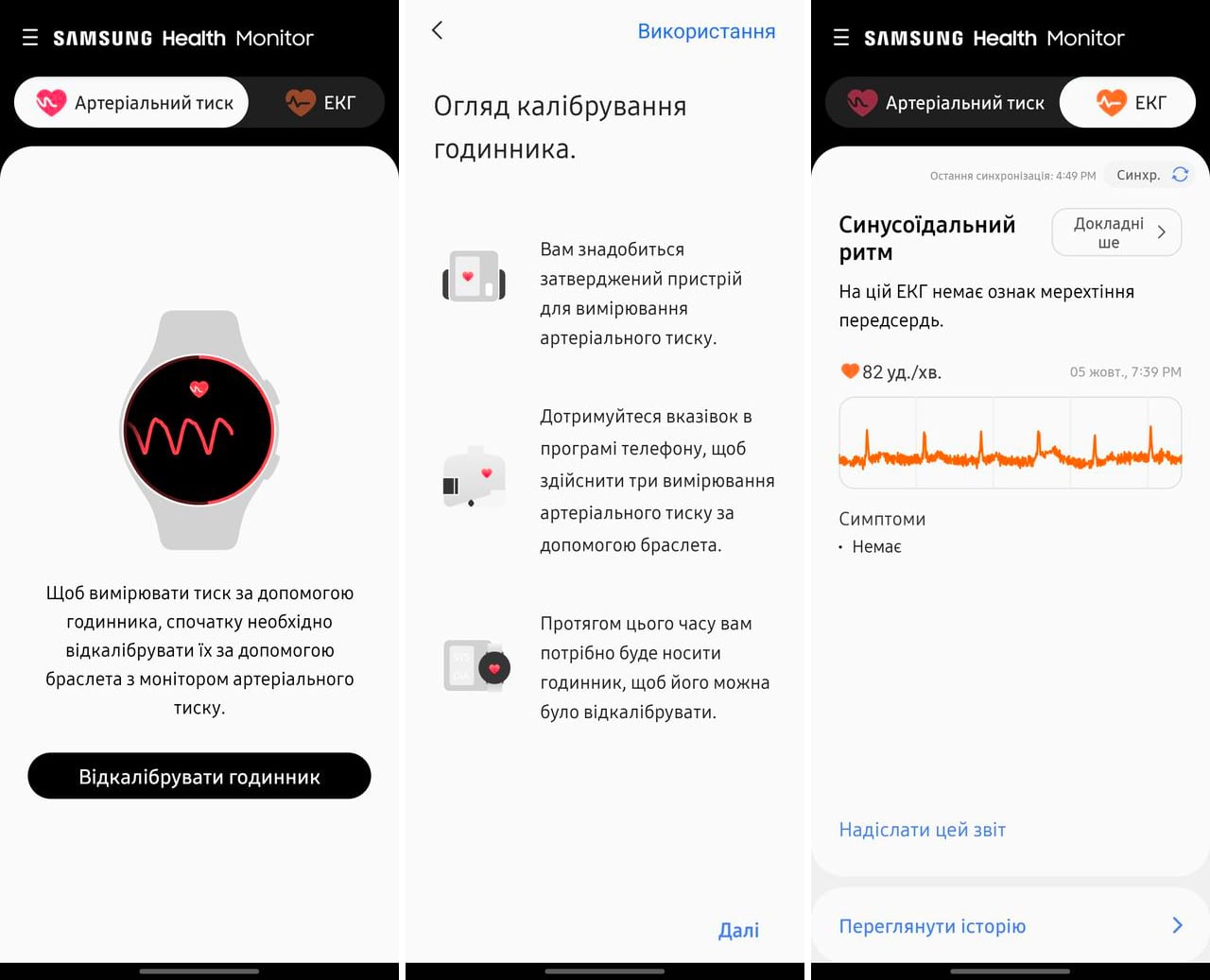
</ img>
Measuring both blood pressure and electrocardiogramrequires certain rules. The watch itself suggests the best way to take measurements. The Samsung Health Monitor app has separate and fairly detailed instructions on how to prepare for measurements (for blood pressure you still need to calibrate the watch, and do this once every 28 days), how to carry them out and how to evaluate their results. Sometimes you wonder what heights technological progress has reached, and how fantastic, from the point of view of our existence just ten years ago, the capabilities of consumer gadgets look today.
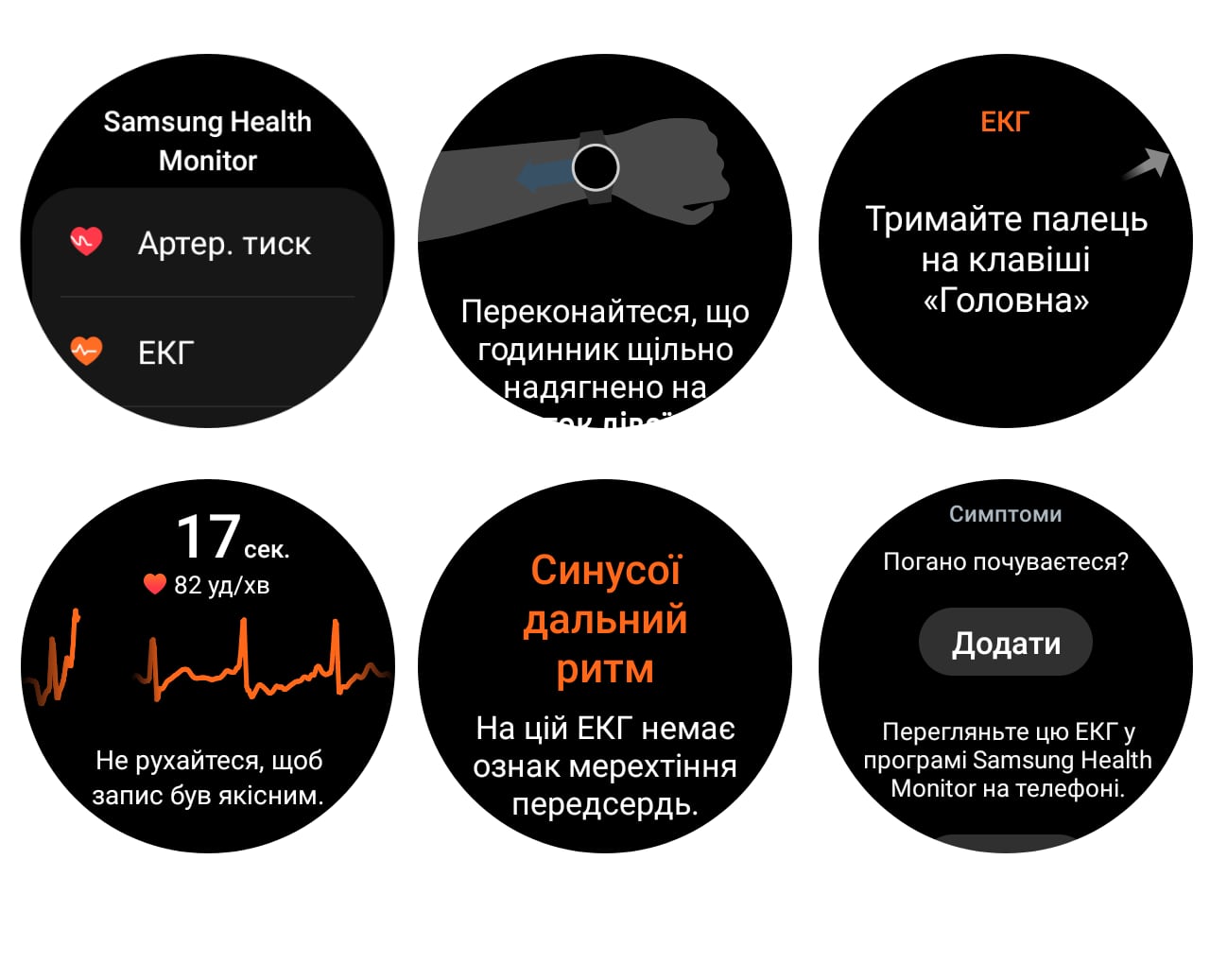
</ img>
5. Ready for innovation: infrared temperature sensor
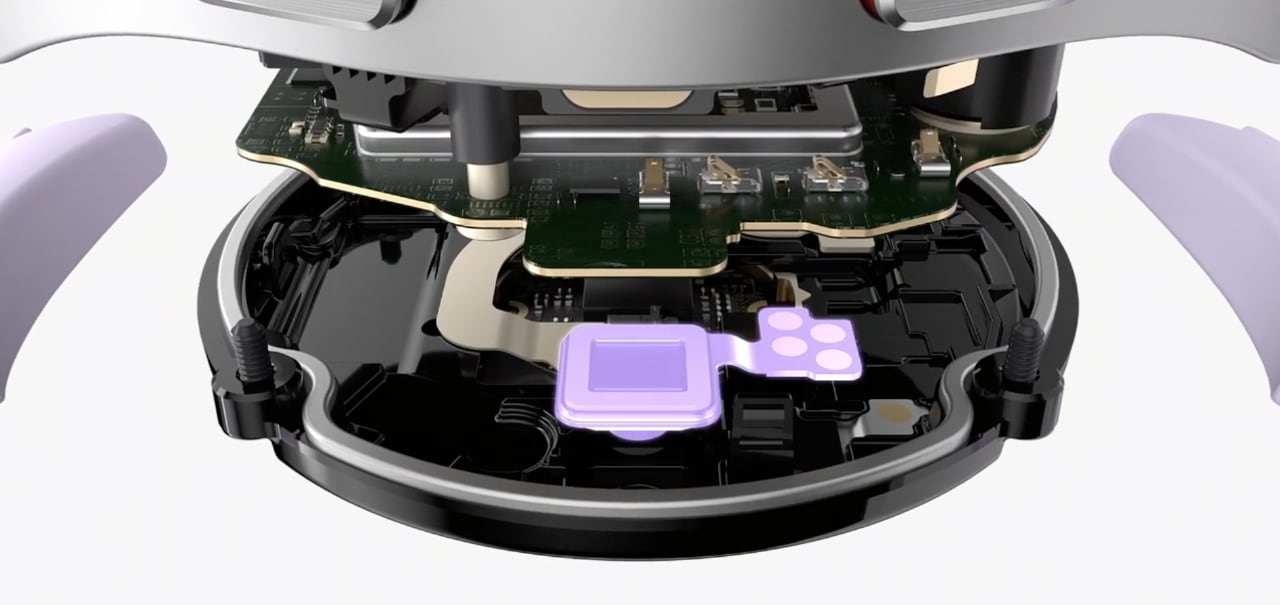
</ img>
Frame from Galaxy Watch5 presentation
Another interesting difference we learned aboutonly in the presentation of the watch is an infrared temperature sensor, which is used for the first time in a Samsung watch. There are no additional functions associated with it yet (although it cannot be ruled out that its data is already being used for complex interaction with other watch sensors and more accurate measurement results). But as Kim Swanson, Samsung's product marketing and sales manager, said at the presentation, "We plan to work with developers to unlock and unlock the capabilities of this sensor so that consumers can benefit from new experiences in the near future." Simply put, with a non-zero probability, Galaxy Watch5 buyers, six months to a year after their purchase, will receive, along with a firmware update, some new features that will allow them to monitor their own health even better.
</ p>Bonus: Differences between Watch5 Pro and Watch5
</ img>
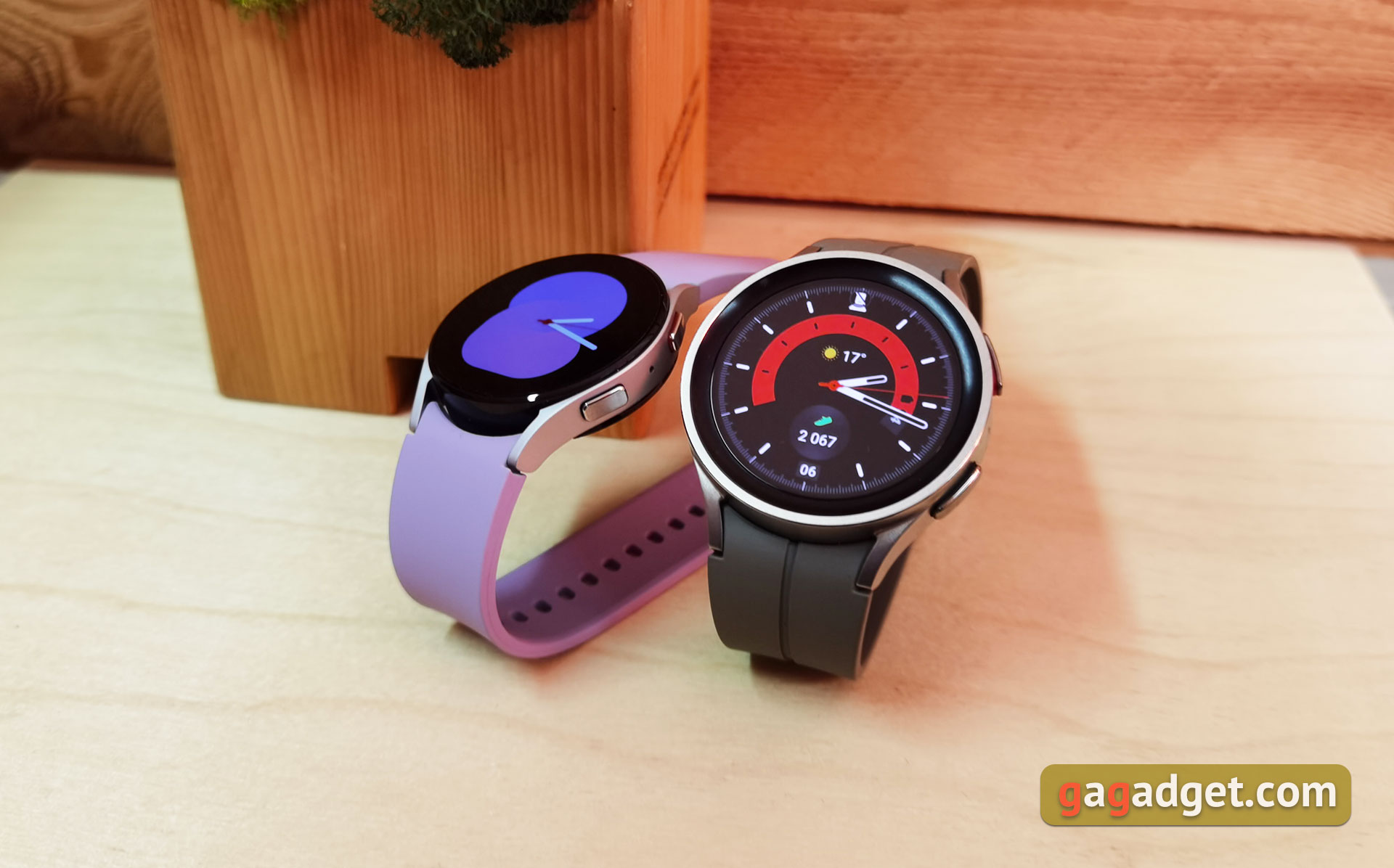
Finally, it’s worth mentioning the differences between the Galaxy Watch5 and Watch5 Pro versions. The external difference is striking, but in fact it is far from the only one.
- Titanium case— instead of reinforced aluminum, the body uses 5 times more durable titanium
- Battery capacity— increased from 284 or 410 mAh (depending on the diameter of the watch) to 590 mAh
- Magnetic D-clasp— a convenient and reliable clasp that allows you to more accurately (not discretely) adjust the bracelet to your wrist
- Route Workout— the ability to load a route into the watch in GPX format.
- Route tracking- use of turn-by-turn hints in downloaded GPX routes for walkers/runners and cyclists
- track back— a function for tracking the return route from the moment the workout begins (for those who like to run “wherever they look”)
- Price— from 17,999 UAH, while the price for Watch5 starts from 10,999 UAH
Top 5 things to know about the Galaxy Watch5 series
- This is a smart watch with the highest possible set of technological capabilities.
- They run WearOS, which allows for tight integration with Android services - from cards to contactless payment
- It is the best tool for health assessment (EKG, blood pressure, sleep status) and fitness activities (large number of programs)
- For users of the Samsung ecosystem of devices, they provide additional opportunities (controlling the camera of a smartphone, headphones, exercising with a TV and finding gadgets)
- The Galaxy Watch5 family consists of 8 watch modifications:2 models, 3 sizes (40 and 44 mm for Watch5, 45 mm for Pro) and 6 colors (2 for Pro, 2 universal and 2 unique for each Watch5 size)
For those who want to know more
- Review of Samsung Galaxy Watch5 Pro and Watch5: plus autonomy, minus the physical bezel
- Samsung Galaxy Watch4 Classic review: finally with Google Pay!
- Hello Hi-Res Audio without wires! Review of the flagship TWS headphones Samsung Galaxy Buds2 Pro
- Rich inner world: what is the difference between Samsung Galaxy Flip4 and Flip3