Neurotechnology will soon become a common part of our lives. They allow you to decode brain signals,
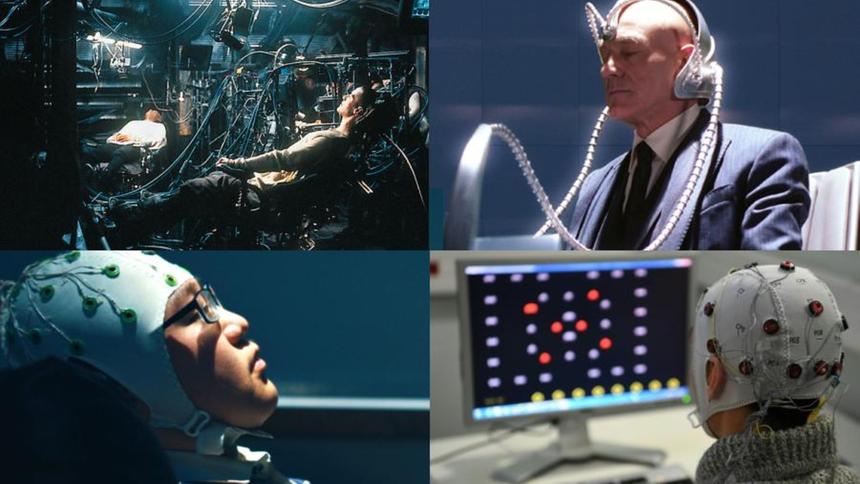
Neural interfaces allow you to interact withthe outside world based on the registration of the electrical activity of the brain - electroencephalogram or EEG. A convenient and affordable encephalograph with an acceptable signal for non-invasive BCI is available from Neiry, Nextmind, Neurable and some others. With Neuralink's invasive sensor-implanted connectivity, paralyzed people will be able to restore motor function, and patients with neurological disorders will be able to restore sensory function.

The market for computer neural interfaces continuesgrow. According to the forecasts of the Neuronet Industry Union, the global market will grow to $35 billion by 2025. But a number of misconceptions stand in the way of widespread use of the devices.
With the spread of neural interfaces, corporations will be able to read our thoughts
People are afraid that the symbiosis of the brain and technologywill entail changes in the psyche and emotional state, and BCI manufacturers will be able to use the methods of reading brain impulses for personal gain. For this reason, a new direction in ethics has appeared - neuroethics. To protect the confidentiality of a person's personal data, neuroethicists suggest using a list of rules that must be followed at the initial stages of technology design and development. In particular, we are talking about monitoring and controlling the development of electrodes that are used in neurointerfaces.
However, BCI at the current stage of development is technicallycannot affect the human psyche. To change behavior and manipulation, it is necessary to use electrodes that stimulate certain areas of the brain. Stimulating the brain is a much more complex task than reading signals, so such devices are not on the mass market and are not used in corporations. All existing neural interfaces are aimed only at reading brain activity. As for reading minds, not a single laboratory has yet learned this. And it is not certain that this will ever be implemented.

Restrict the use of incominghuman brain information will help the development of a new legal system in the field of "neuroprofessional law". Professor Roberto Andorno and PhD student Marcello Ienka from the Institute for Biomedical Ethics at the University of Basel have proposed new human rights laws. They aim to minimize ethical issues in the field of neurotechnologies: the right to cognitive freedom, the right to mental health integrity, the right to mental integrity, and the right to psychological continuity.
Hackers can break into a person's personal data
Leakage of confidential BCI data entailsa loss of cognitive freedom and an attack on mental privacy. The decoding of the signals of the nervous system and their subsequent management must take place only with guaranteed safety of use and limit unwanted access by third parties. Manufacturers of neural interfaces use strong cryptography, defensive engineering, and conduct extensive security audits to protect information.

Scientists insist on regulation of the sphereapplication of neurointerfaces. A set of actions at the legislative and technological levels protects users from hacking brain data. But even if hackers gain access to the signals, they will only see depersonalized human EEG data, which is of no value in its purest form. In fact, more information about a person can be obtained during the leakage of medical records from the clinic than from raw EEG.
Neurotechnology has a negative impact on health
The neural interface technology is based onregistration of brain macroactivity in the form of electroencephalogram signals. The EEG device has long been successfully used in medicine. The only reason why a person is calm about the EEG procedure in the clinic, but with distrust of neurointerfaces, is the lack of information. BCIs read and interpret the received brain signals, but they cannot affect their activity.

The non-invasive device is a helmetor headphones with electrodes and is absolutely safe for health. The first non-invasive EEG-based neural interfaces appeared as early as 1960. Unlike neuroimplants, non-invasive BCIs are easy to use and do not affect the nerve tissues of the cerebral cortex in any way. The main difference between medical EEG and BCI is that, in addition to reading the EEG, neural interfaces can classify signals with high accuracy and send them further to perform some action.
Neurotechnology breeds addiction to cyberspace
Gambling addiction has its roots in the 18th century andarose with the advent of the first gambling card games. Therefore, it is a mistake to believe that the invention of new technologies in cyberspace will cause a violent surge of addiction. A gambling disorder depends on the psyche of a particular person, and any game can serve as an impetus, whether it is a sports sweepstakes or the virtual world of digital entertainment.
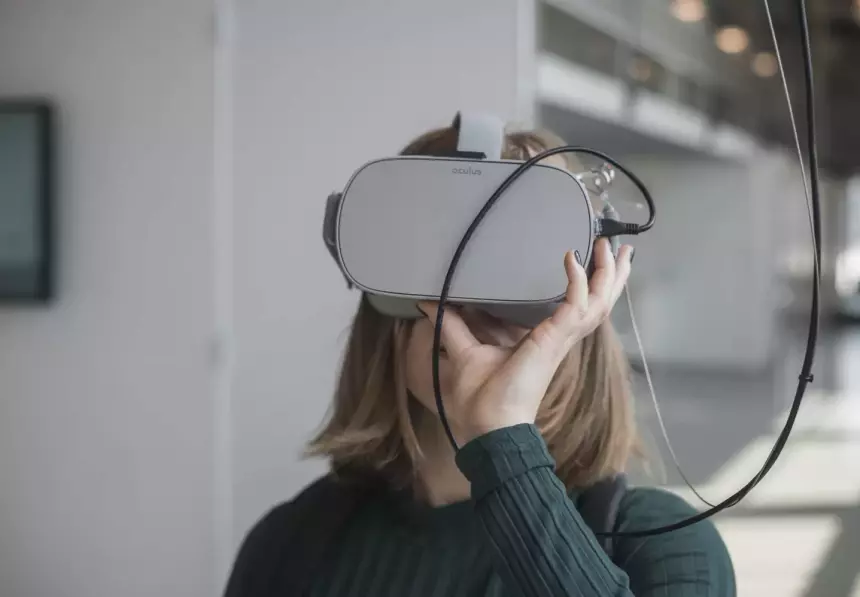
Neurointerfaces radically change the conceptadaptive gameplay. They allow you to associate a signal from the brain with a specific command. The EEG analyzes such parameters of the player as his involvement, level of tension, concentration of attention, motor signals. This feedback improves the quality of the game and personalizes it for the user. In addition, the use of BCI can enhance cognitive abilities and make learning fun. Thanks to the technology, which is based on P300 evoked potential detection, machine learning methods and neural network classifiers, we can track which of the objects in the game a person is looking at.
Valve, an American developercomputer games, has already purchased a BCI device from Neiry for testing purposes. Their head, Gabe Newell, believes that the future of games is directly related to the development of neural interfaces. He recommends that developers pay attention to neural interfaces and create software with BCI in mind.
Neurotechnology is for geeks only
The scope of the use of neurotechnologies and BCI has come outoutside of medicine. There are active negotiations on their application in the field of entertainment, industry, and in the field of education, they are already working. Large corporations are planning to introduce neural interfaces to improve human interaction with the product.
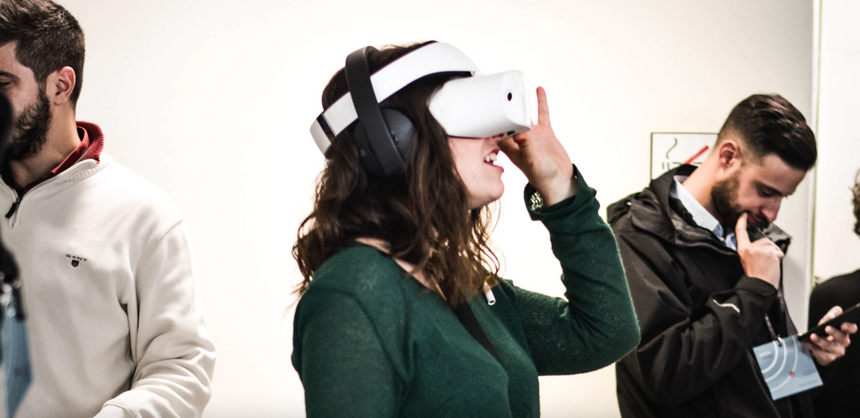
Neural interfaces interested adherentsdigisexuality - people who realize their sexual needs in the virtual world. According to Brian Shuster, director of the online role-playing game Red Light Center, there may be a sexual singularity - a phenomenon when a person prefers virtual relationships to real relationships. It seems impossible, but let's look at the numbers. The global SexTech market was worth $50 billion in 2020 and is growing at an average rate of 30%. According to Forbes forecasts, it will reach $122 billion in 2024.
Can be used differentlyneural interfaces in everyday life, but the technologies of the future are gradually entering our reality. Like any innovation, they generate public distrust. First of all, doubts are caused by a lack of understanding of the BCI process. Recall that all major new inventions face prejudice, be it the automobile, the personal computer, or the airplane.
Tatyana AleksandrovaCEO of neurotechnology company Neiry
Neurointerfaces are aimed at improving lifeperson. People will have the opportunity to fully interact with the digital space with the help of the “power of thought”. Patients will be able to recover cognitive functions faster after illnesses, and paralyzed people will be able to type on the keyboard and expand the ways of interacting with the outside world. It can take from three to seven years to refine non-invasive neurotechnologies (primarily, improve the accuracy of work and create new algorithms), as well as their implementation in everyday life.
More interesting articles and news
Subscribe to