The object of the study was samples of brain tissue and bones of one of the patients of the Ospedale Maggiore hospital
At the turn of the Renaissance and Modern times, Milan gained more importance in the field of medicine with the establishment of Europe's first hospital with free medical care for the poor: Ospedale Maggiore.
The purpose of this study was toexamine nine samples of preserved brain tissue and corresponding eight skulls (in one case, a piece of brain was found outside the skull) with the specific purpose of highlighting the pharmacological treatments prescribed to patients by hospital specialists through toxicological analysis using high-performance liquid chromatography-tandem mass spectrometry (HPLC) -MS/MS) on preserved brain and bone tissue samples.
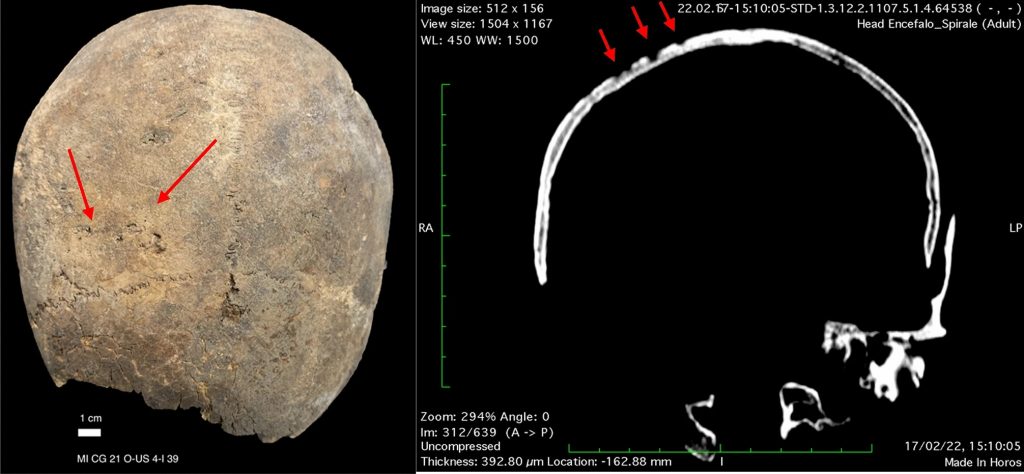 Traces of syphilis on the skull
As far as is known, there are no reports of discoveryopioids in biological samples with a post-mortem interval (PMI) of more than 25 years, or reports comparing toxicological results to an extremely detailed pharmacopoeia. Thus, the present archeotoxicological study is the first to look for (and find) active molecules from Papaver somniferum in ancient human remains and, in particular, on bones. In addition, for the first time, he links substances listed in hospital records and pharmacological therapies to the remains of patients.
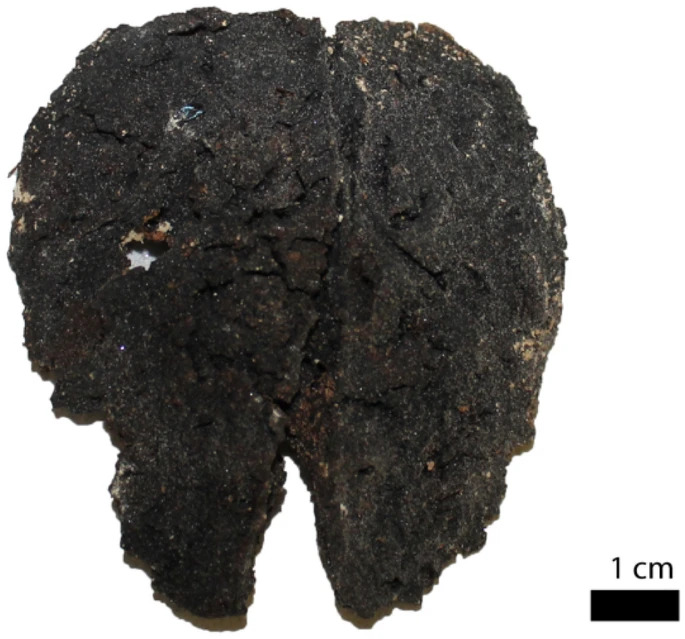 Preserved brain tissue
Read more:
The mystery of the red stripes on the satellite of Jupiter is revealed
Migraines and headaches found a new explanation
Found "impossible" planet. She defies modern science