The Irish company Gazelle announced the development of a new floating wind platform design for the third
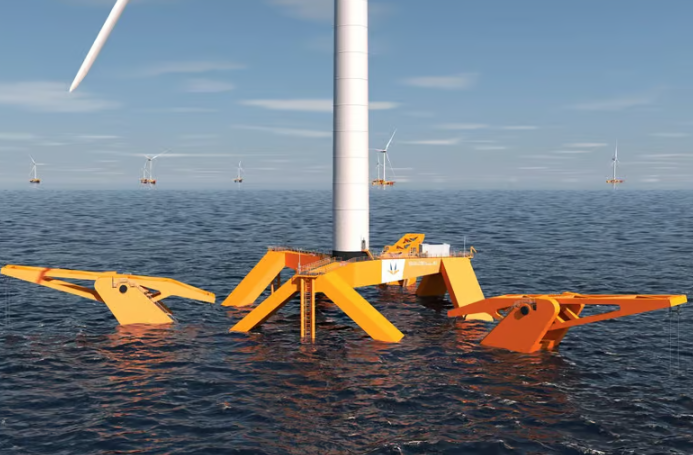 Photo: Gazelle Wind Power
Floating offshore platforms are greatan alternative to traditional forms of energy, but they are not easy to build and maintain from an engineering point of view. A typical 14MW offshore turbine, for example, can place a 500-ton nacelle on top of a 130-metre tower, spinning three 108-metre carbon blades at full speed during a storm.
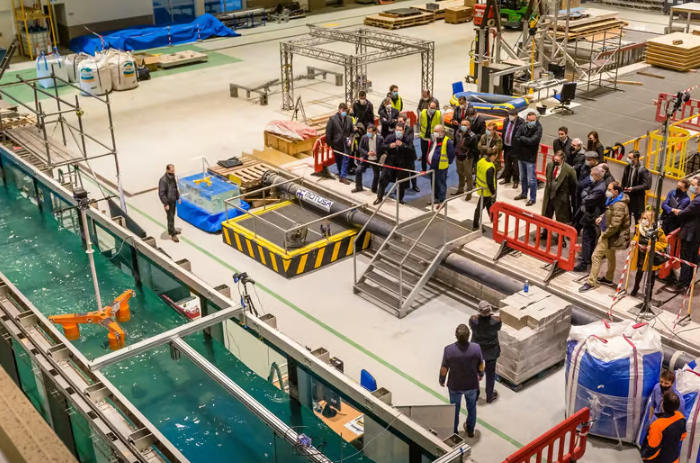 Photo: Gazelle Wind Power
Balance such a giant pinwheel onfloating base is no mean feat. And Gazelle engineers have a solution. The third generation floating wind platform is tied on three sides. The cables extend from cables on the seabed and rise above the floating structure, pass through swing arms, and then drop down and are attached to a heavy counterweight suspended below the platform.
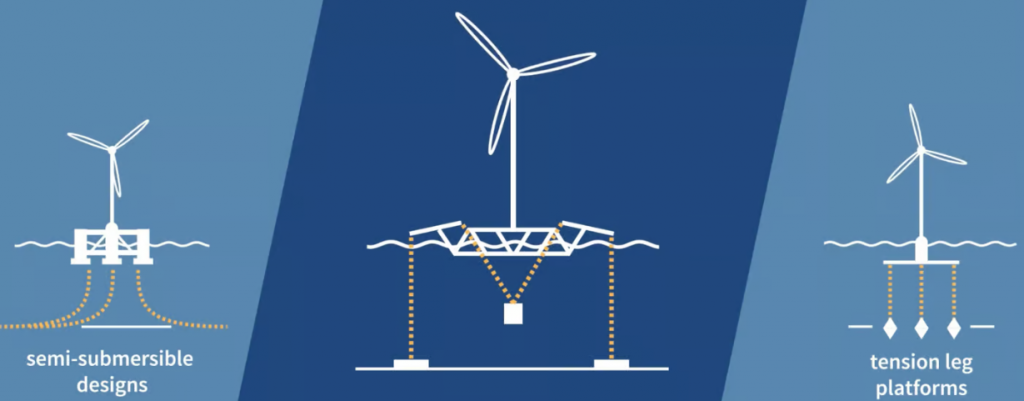 Photo: Gazelle Wind Power
This, according to company representatives, createsa passive system capable of balancing wave and tidal movements, as well as wind force, reducing pitching and increasing turbine efficiency. The resulting innovative platform is much smaller and lighter than a typical semi-submersible design, reducing steel use by as much as 70% and reducing cost by approximately 30%. The "dynamic mooring" system also places about 80% less stress on the seabed cables than a conventional tension leg platform, keeping the tilt to less than one degree while allowing some up and down movement.
Read more:
There was a photo inside the second deepest underwater sinkhole in the world
See what happened to Mercury when it got as close as possible to the Sun
Scientists are ready to recognize the new tree as the oldest in the world