Paleontologists presented the results of the studycarnivorous theropods (lizard-hipped dinosaurs) that lived in Chilean Patagonia from 66 to 75 million years ago. Among the remains of bones and teeth discovered during excavations at the paleontological complex of Cerro Guido Las Chinas, they identified four species of dinosaurs that had not previously been found in the region.
The remains found show thatMegaraptors dominated the region's ecosystem food chain at the end of the dinosaur era, scientists say. These are Tyrannosaurus Rex-like predators that could reach 6 to 10 meters in length and weigh more than a ton. These carnivorous dinosaurs had carnivorous claws, small teeth with which they tore apart prey, and large upper limbs.
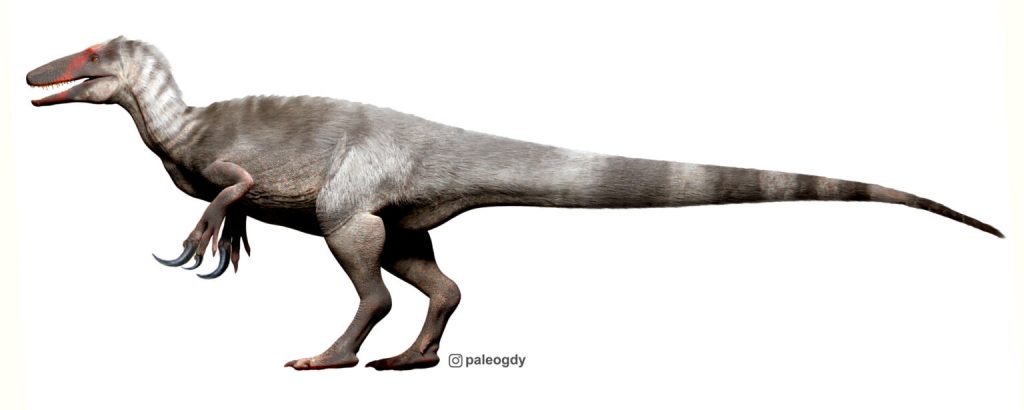 Megaraptor. Image: INACH
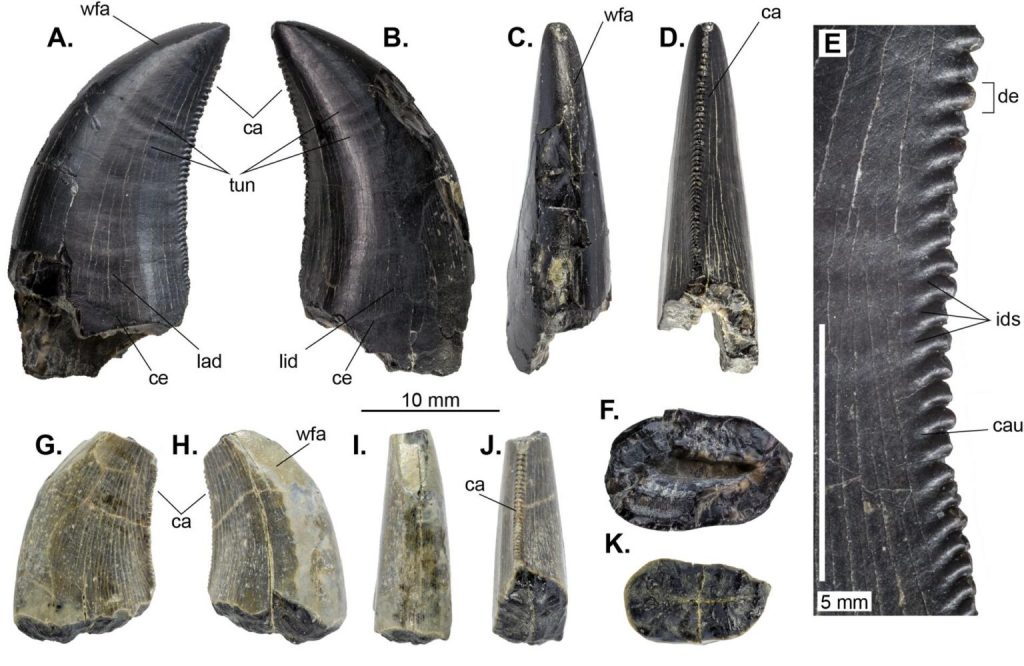 Megaraptor tooth remains found in Chile. Image: INACH
In addition to megaraptors, researchersidentified separate parts of teeth that belonged to the subfamily Unenlagiinae. These are non-avian dinosaurs, whose bodies were nevertheless covered with feathers. Paleontologists note that these are the southernmost known examples of this type of dinosaur. At the same time, some features of the remains of teeth and bones indicate that we are talking about a new evolutionary group that differs from representatives of this species found in other regions.
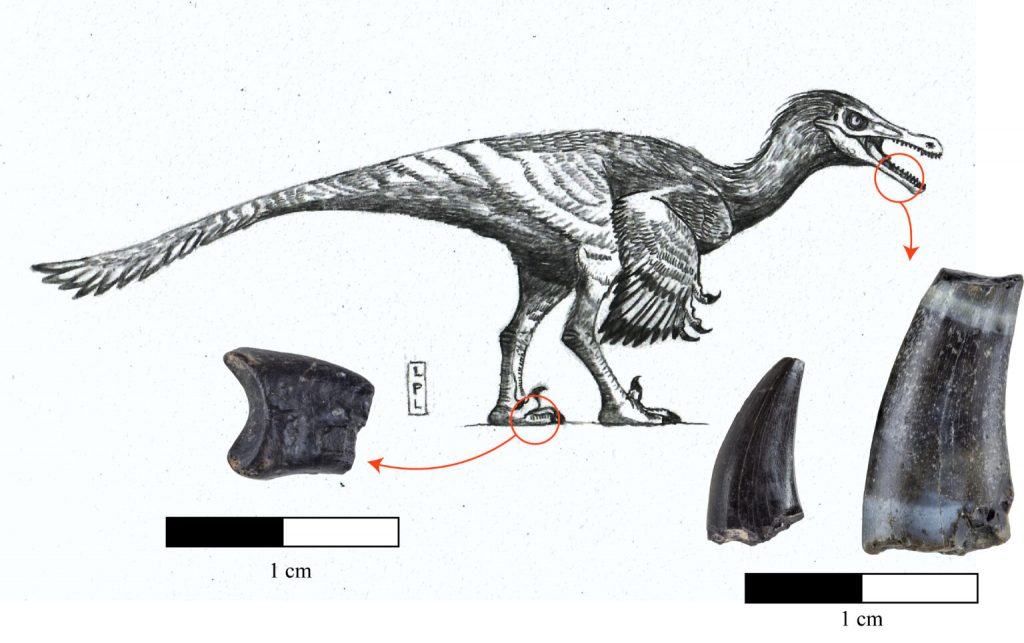 Feathered dinosaur Unenlagiinae. Image: INACH
The researchers also discoveredCerro Guido Las Chinas remains of two species of ancient bird ancestors: the fan-tailed birds (Ornithurinae) and the enantiornis birds (Enantiornithe). The former correspond to the group directly related to the current birds. They resembled a huala or loon. And the enantiornithes were the most diverse and numerous group of Mesozoic birds. These are relatives of modern birds that resembled a toothy sparrow.
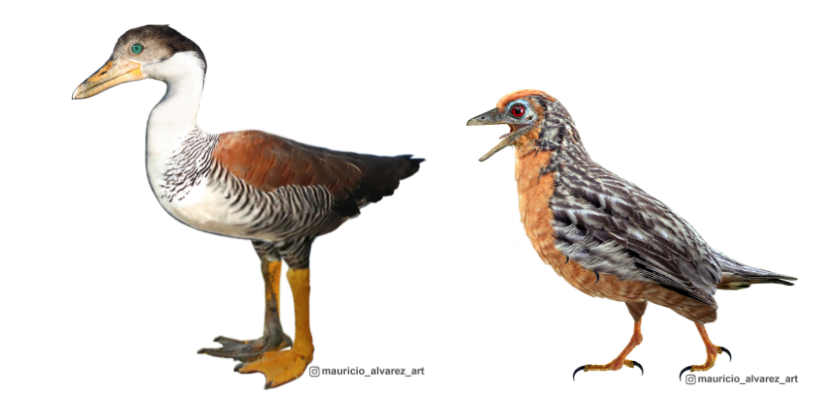 Two types of ancient birds found in Chile: fantails (left) and enantiornithes (right). Image: INACH
Researchers note that studiespaleontological traces in Chile provides a unique opportunity to determine what fauna inhabited the south of a single continent at the end of the dinosaur era. Representatives of these species once also inhabited Antarctica and could later serve as the basis for the development of species in South America, Australia and New Zealand.
Read more:
The strongest class X flare occurred on the Sun
Engineers figured out how to keep drones in the air "forever"
The secret of the durability of Roman concrete is revealed: it can be restored
On the cover: artistic illustration of the fauna of the ancient territory of Chile. Image: Mauricio Alvarez, INACH