Researchers at the University at Buffalo used sugar-eating bacteria to make glucose
Olefins make up a small percentage of moleculesgasoline. But science will be able to create other types of hydrocarbons, in particular the rest of the components of gasoline, the authors are sure. Olefins are also used today in industrial lubricants and as a precursor for the manufacture of plastics.
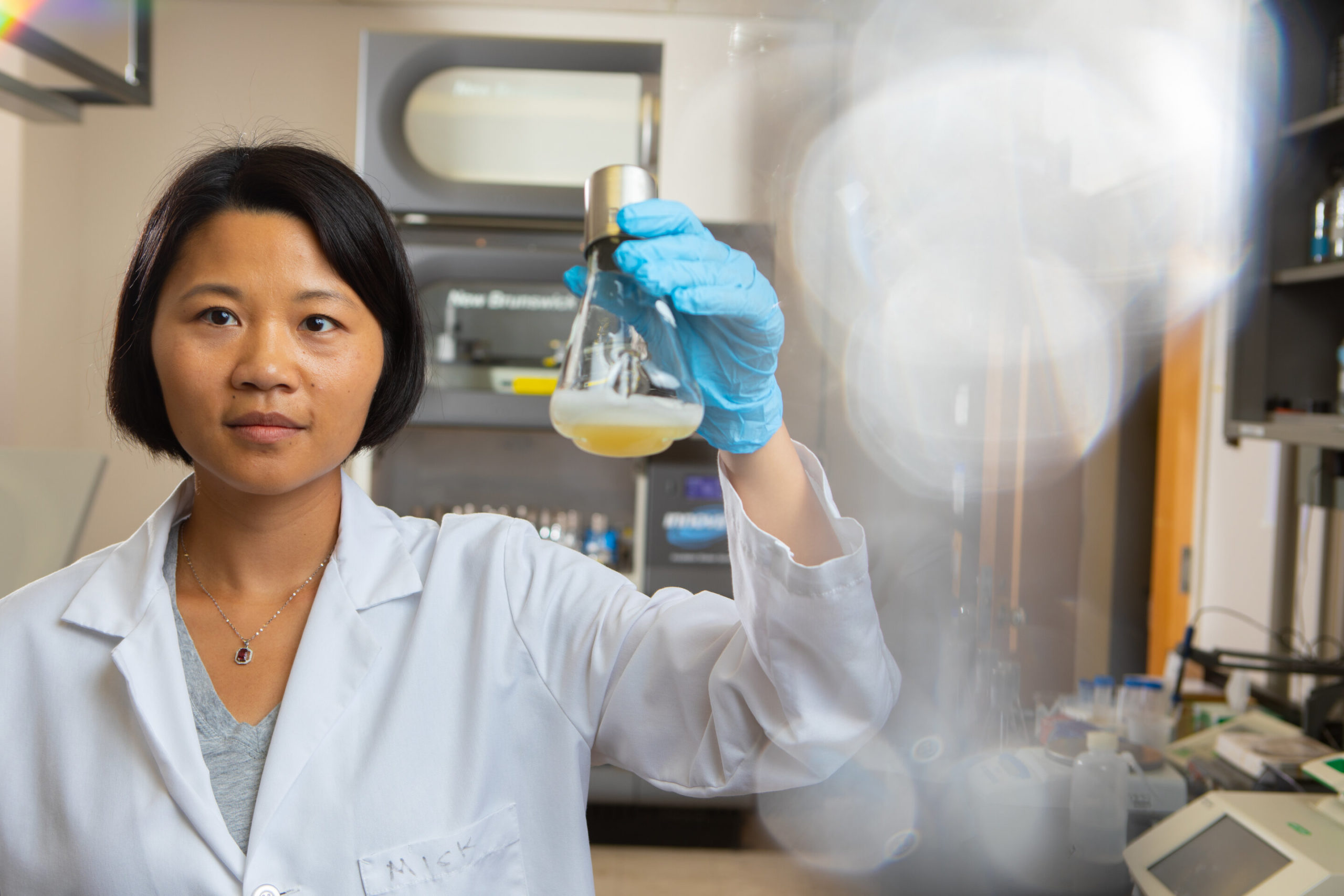
The authors of the new work used an intestinal strainsticks, which is not hazardous to health. These microbes actively feed on sugar. Researchers have genetically modified them to convert glucose into 3-hydroxy fatty acids.
Next they used a catalyst - pentoxideniobium (Nb2O5) - to remove unwanted parts of fatty acids and obtain olefins. The authors note that glucose is formed as a result of photosynthesis, which pulls CO2 from the air, so in the end the whole process can be called environmentally friendly.
Now scientists are checking to what extent their method is applicable for mass production, and are also exploring where else the olefin can be used.
Read more:
Space exploration can cause humans to contract extraterrestrial viruses
Biologists have created a bacterium that destroys the protective shell of cancer cells
"The Last Hero": These missions will no longer return to Earth, but continue to transmit information