Following unusual seismic disturbances in the Baltic Sea last week, scientists have discovered several
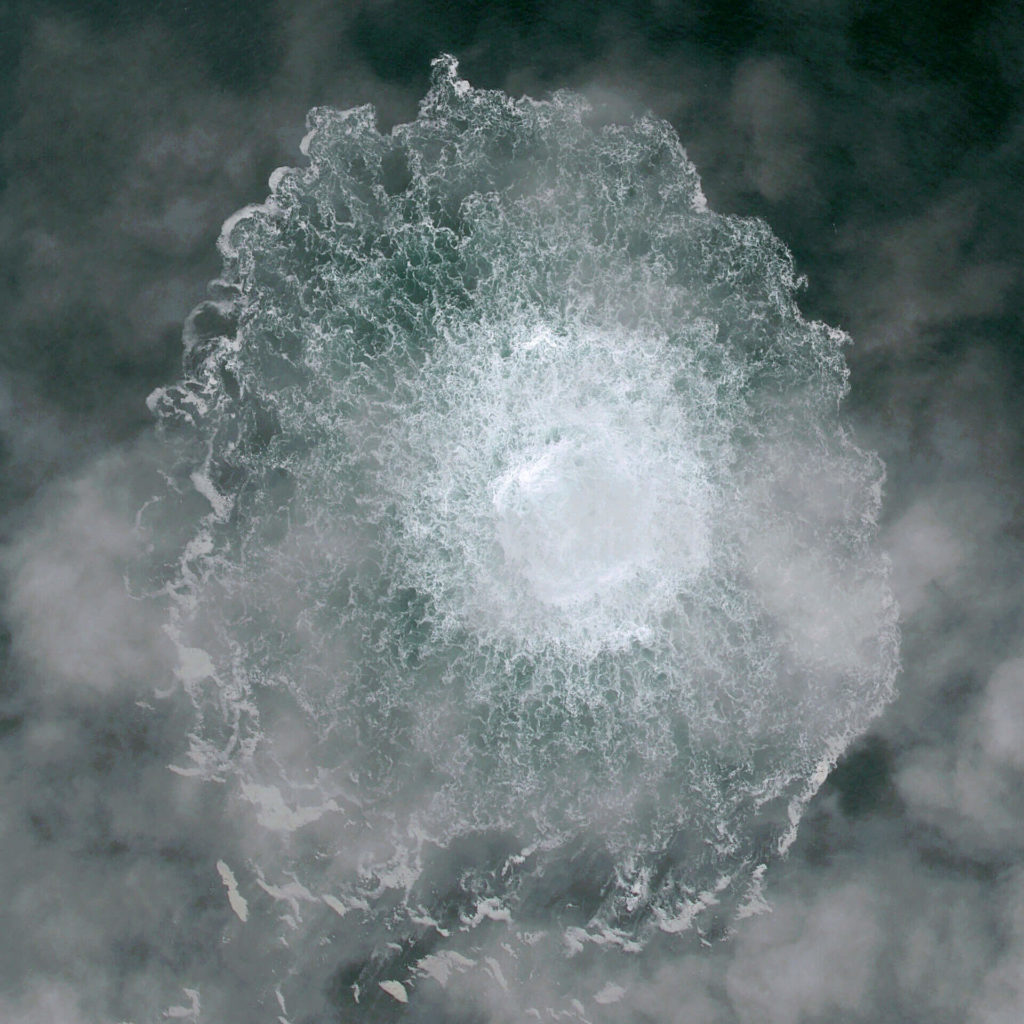 Nord Stream leak filmed by Pléiades Neo
As an unexplained gas release putserious question about the impact of the incident on the environment, experts conducted additional observations from Earth satellites. All are equipped with optical and radar instruments to characterize gas leaks in the Baltic Sea.
Although methane is partially soluble in water,and is then released in the form of carbon dioxide, it is non-toxic. However, it is the second most abundant anthropogenic greenhouse gas in the planet's atmosphere that causes climate change.
 Nord Stream in the frame of Planet Dove
As the compressed gas leaked through the brokenpipe and quickly moved towards the surface of the sea, the size of the gas bubbles increasing as the pressure decreased. Once they reached the surface, the largest of them affected the sea surface above the site of the pipeline rupture. They can be seen on the surface even from space.
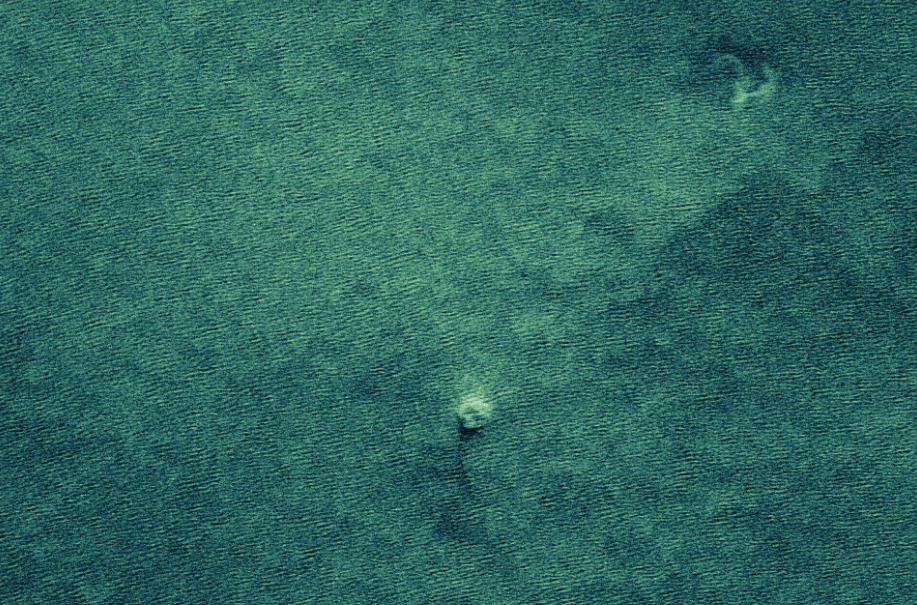 Image by ICEYE on September 28
Due to constant cloudiness over the area, getImages from optical satellites turned out to be very difficult. High-resolution images taken by the Pléiades Neo and Planet satellites, which are part of the ESA (European Space Agency) program, showed disturbances at depths ranging from 500 to 700 m on the sea surface.
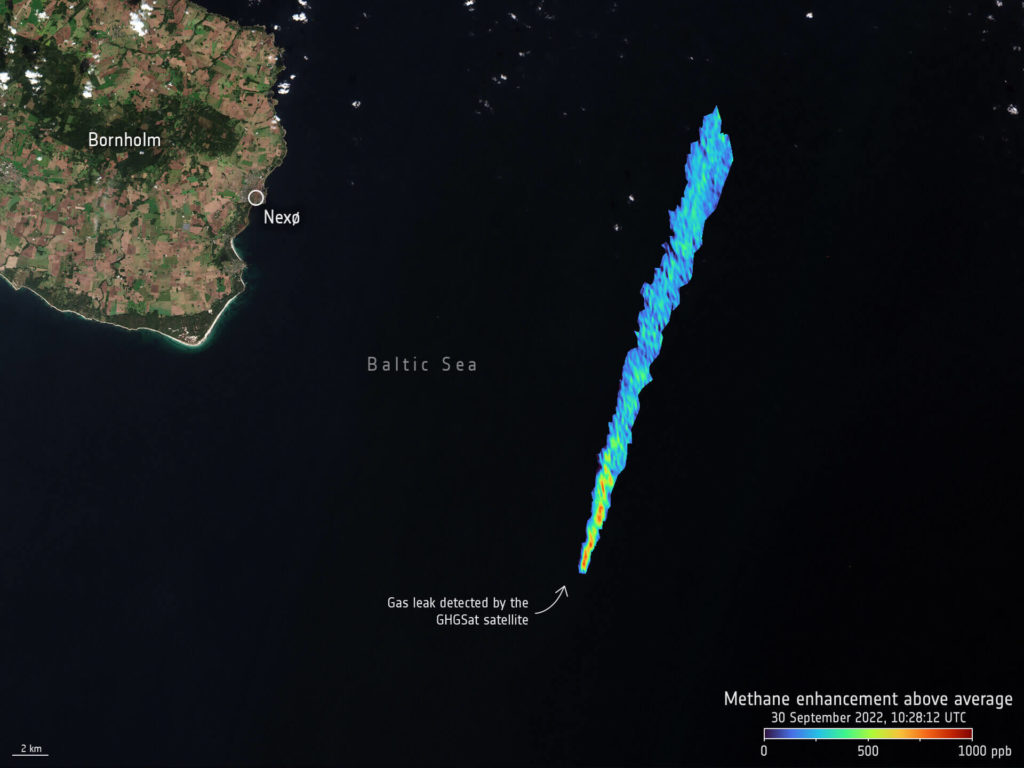 GHGSat detects increased methane gas leak
A few days later, experts noteda significant decrease in the estimated diameter of the methane disturbance as the gas pipelines are emptied. Images taken by Copernicus Sentinel-2 and the American Landsat 8 mission confirmed this.
One of the ruptures occurredto southeast of the Danish island of Bornholm. Images from Sentinel-1 from September 24 do not show any disturbance in the water. However, the ICEYE satellite, which flew over the area on the evening of September 28, received an image that showed disturbance of the sea surface above the fault.
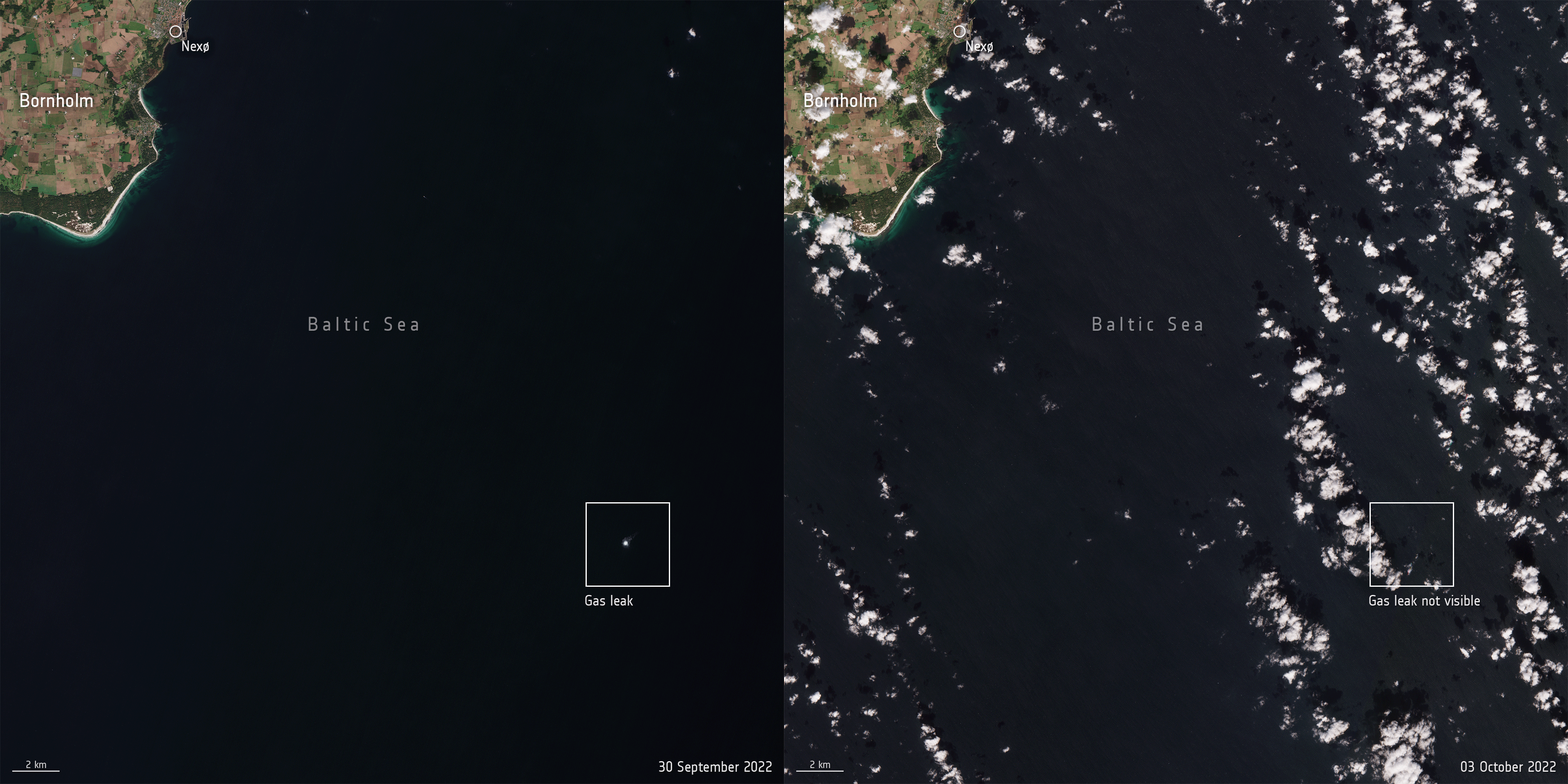 Gas leak detected by Copernicus Sentinel-2
Although optical satellites can provide data on the radius of methane seething above water, they provide little information on how much methane has been released into the atmosphere.
Read more:
See what a woman, a priest and a bishop looked like in the Middle Ages. Their faces are alive
Recreate the Sun on Earth: how physicists solved the main problem of thermonuclear fusion
Created a compact nuclear reactor for safe energy production