Living organisms in the deep-sea environment are constantly under high physical pressure,
Fish and snails are the only animals that live at a depth of about 6,000 meters.
Chen, Shi and their colleagues sequenced the entire genome of the Yap hadal snail to understand how it adapted to life at such extreme depths.
Analysis of the new genome showed that there are many adaptations for living in cold, dark, high-pressure environments.Snails have extra genes for DNA repair that helpKeep the genome intact even under high pressure.
This gene also has five copies of an enzyme gene that, based on a junction from the intestine, stabilizesthe structure of proteins under high hydrostatic pressure.
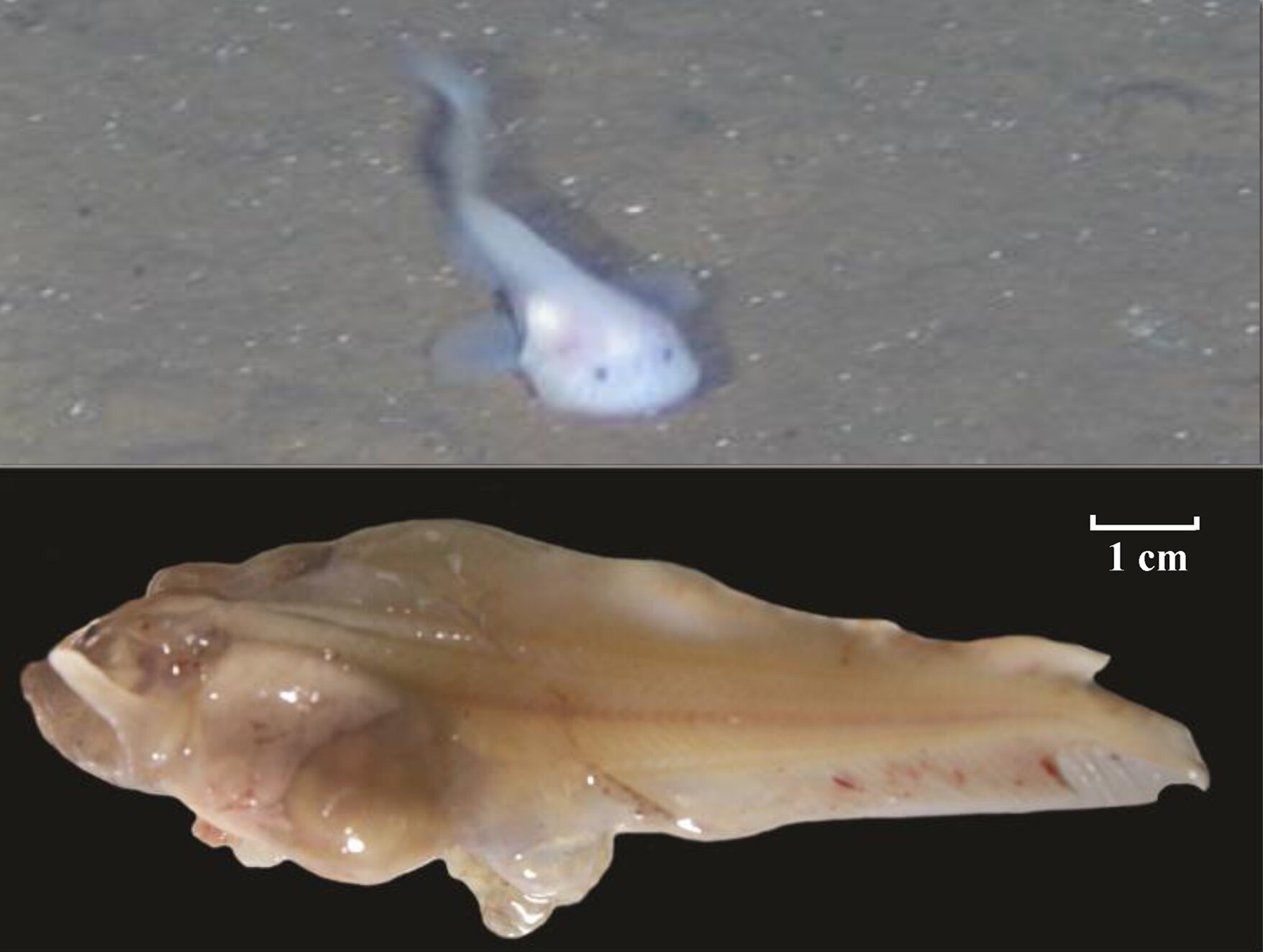
These new discoveries provide a clue to understandingmechanisms by which snails evolved to survive in the ocean. However, the researchers note that further research will be required to confirm the functions of these genetic changes. In addition, the genome sequence can serve as a basis for future in-depth studies of snails and other animals from the Hadal zone.
Read more
Scientists have come up with a way to charge electric vehicles on the go
Scientists have shown how a black hole tears apart a star
Evolutionary error: which organs in the human body work illogically