The authors of the new work examined the history and levels of nitrogen input into the Arctic Ocean to understand how
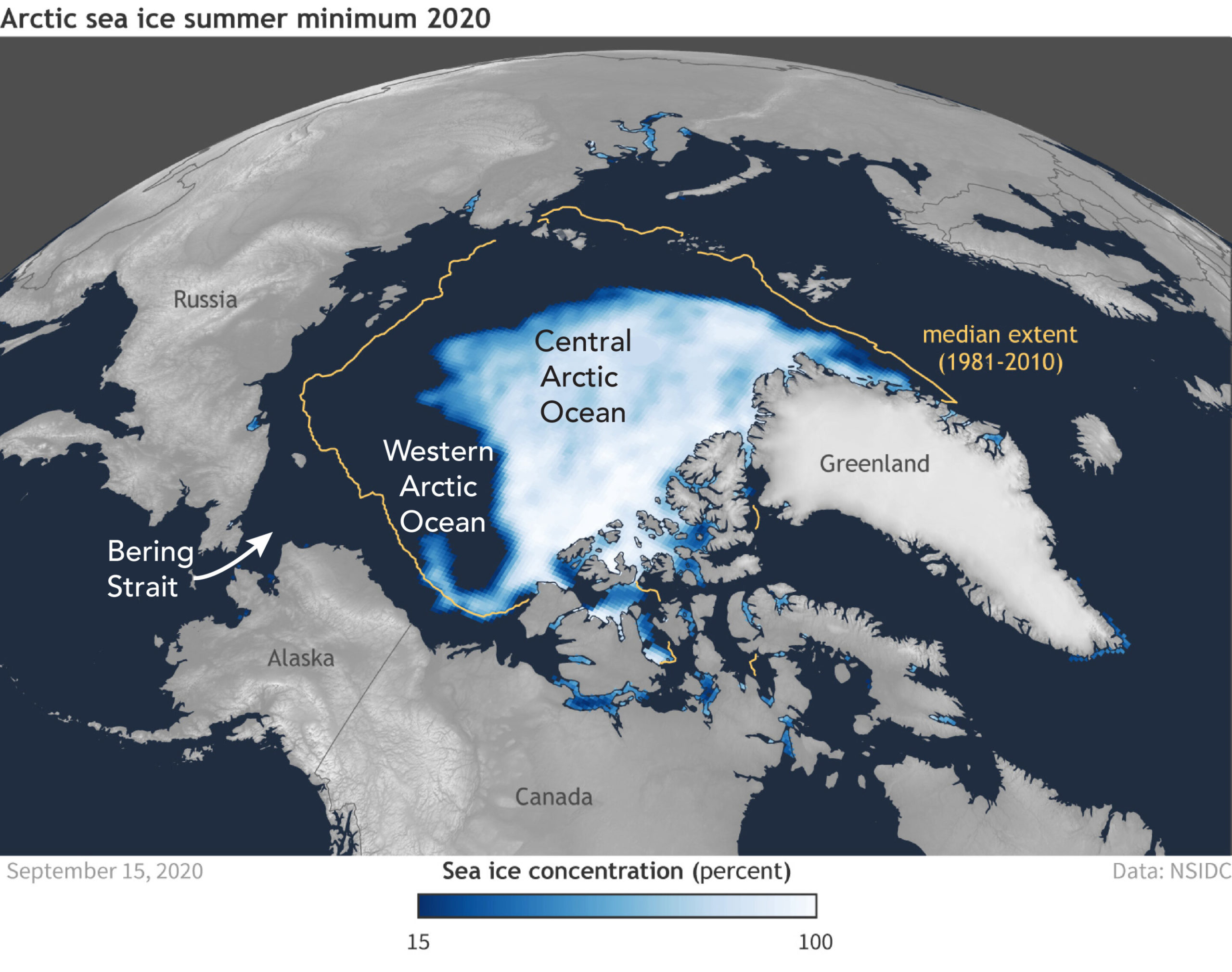
Some scientists have previously suggested that meltingThe ice of the Arctic Ocean will help light to reach the surface of the water more often, and this will lead to an increase in the amount of plankton that fish and other living things feed on.
In the new work, the researchers decided to checkis it really so: they studied fossilized plankton in order to understand the rate of nitrogen input into the Arctic Ocean. As a result of this analysis, they assumed that in the face of global warming, the amount of nitrogen in these open Arctic waters would be limited.
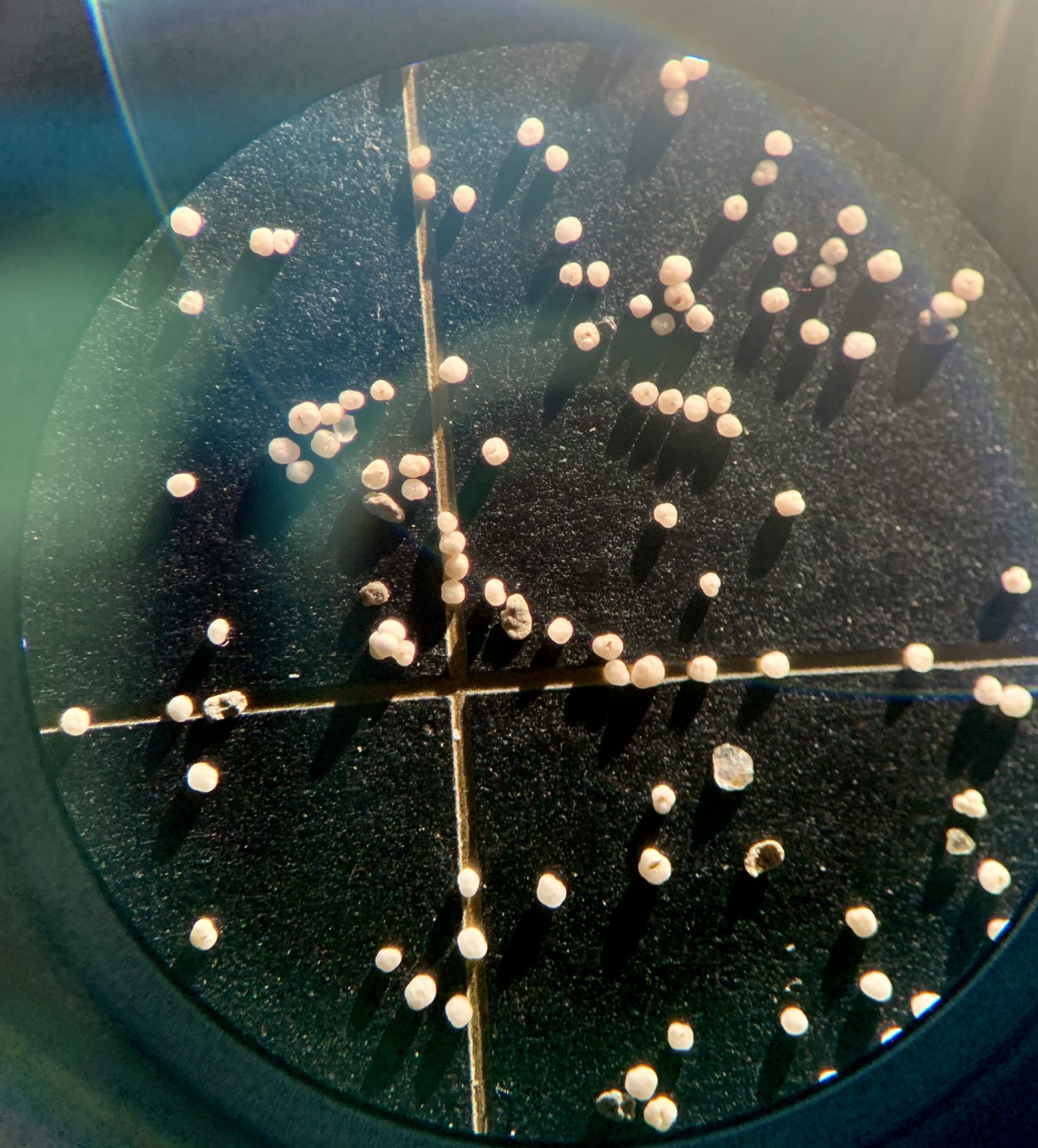
This happens because plankton need not only nitrogen to live, but also nutrients that are found only in the depths of the Arctic Ocean.
Can plankton absorb these nutrients?substance depends on how much the upper layer of the ocean is stratified or divided into layers. Such layers allow nutrients to rise to the plankton gradually.
Read more:
Giant iceberg A74 collides with the coast of Antarctica
Fish with human teeth found in the United States
Wild ticks will be specially released in Russia for pest control