The Greenland ice sheet is the second largest in the world after the Antarctic, its area in 2018 was
If the Greenland ice sheet melts completely,sea level will rise by about seven meters - this will lead to flooding of most of the coastal cities, and also cause great damage to island states. Between 1992 and 2018, Greenland dropped about four trillion tons of ice, resulting in an average sea level rise of 11 millimeters.
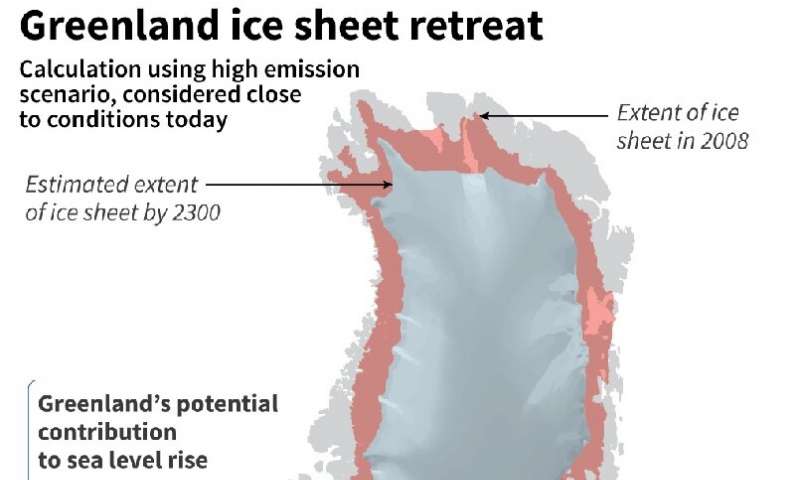
According to a new study, in just one yearThe melting of glaciers in the region has led to a rise in sea levels of 1.5 mm. As in the previous study, scientists blame the reason for the extremely rapid melting not on rising temperatures, but on the high atmospheric pressure that prevailed over Greenland for a record long time.
This prevented the formation of clouds over the southpart of Greenland, which usually impedes the penetration of sunlight. On the other hand, a reduction in the number of clouds has led to a decrease in the number of snowfalls that contribute to the restoration of the ice cover.
Researchers note that the data collecteddemonstrate the need to review current ice melting rate models in Greenland. Probably, this indicator is underestimated at least twice.
Previously, scientists found that warm water madeGreenland glaciers melt even in winter. This means that for the accuracy of modeling sea level rise and glacier melting speed, it is necessary to take into account their melting during winter.