Content
- Video review
- Equipment and design
- Software
- Camera
- Performance and Benchmarks
- Keyboard Case
- findings
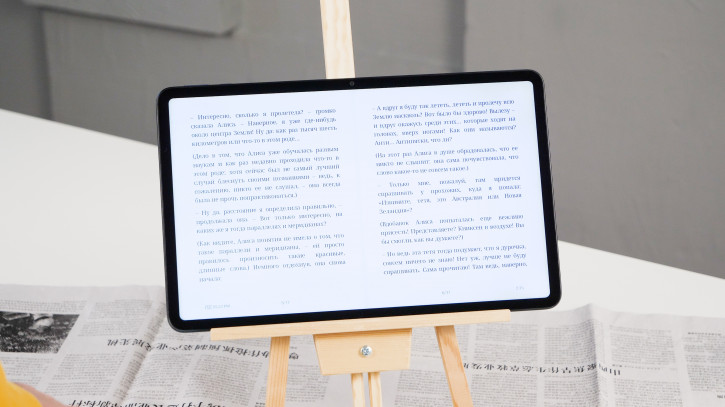
When I wrote the review of Realme Pad mini, thencomplained that affordable compact tablets were virtually non-existent. It turns out that at the other end of the scale the situation is exactly the same: affordable tablets with a screen diagonal above 11″ catastrophically little. For example, at the time of writing this review, there are only four models in our retail stores cheaper than 40,000 rubles. Today we’ll talk about one of the most interesting ones - Honor Pad 8. Its price is around twenty.
 |
Specifications Honor Pad 8 |
|---|---|
| Network | Not |
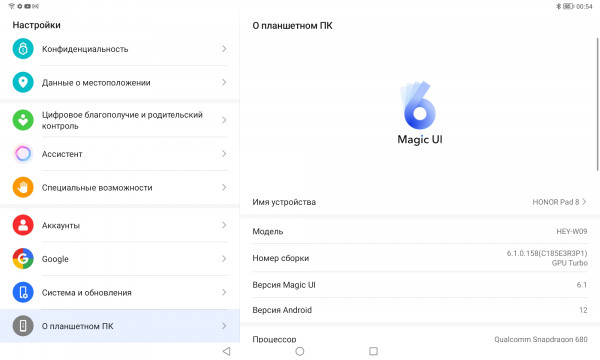
| Firmware | Android 12, MagicUI 6.1 |
| Screen | 12″, 2000×1200 pixels, 15:9, 194 ppi, IPS, 350 nits |
| Chipset | Qualcomm Snapdragon 680, 6 nm CPU: 4 x A73 x 2.4 GHz + 4 x A53 x 1.9 GHz GPU: Adreno 610 |
| Ram | 4/6 GB |
| ROM | 128 GB |
| SIM and memory card | Not |
| Camera | 5 MP, 1/5″, f/2.2 |
| Selfie | 5 MP, 1/5″, f/2.2 |
| Battery | 7250 mAh |
| Charging | USB Type-C, 22.5W |
| Wireless interfaces | WiFi 5 Bluetooth 5.1 |
| NFC | Not |
| Biometrics | Not |
| Sound | 8 speakers |
| Water protection | Not declared |
| Dimensions and weight | 278.5 x 174.1 x 6.9 mm 520 g |
Video review
Equipment and design
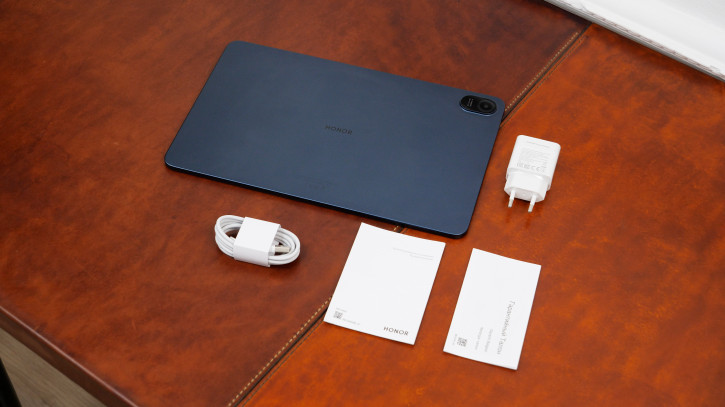
Honor Pad 8 comes in large whitecardboard box. The kit is quite modest: the device itself, 22.5-watt charging, USB cable and documentation. It is curious that the documentation envelope has a slot for a SIM needle, but there is no SIM needle itself, because there is no SIM tray, because there is no support for LTE. But maybe this is a hint that we should expect a 4G tablet from Honor?
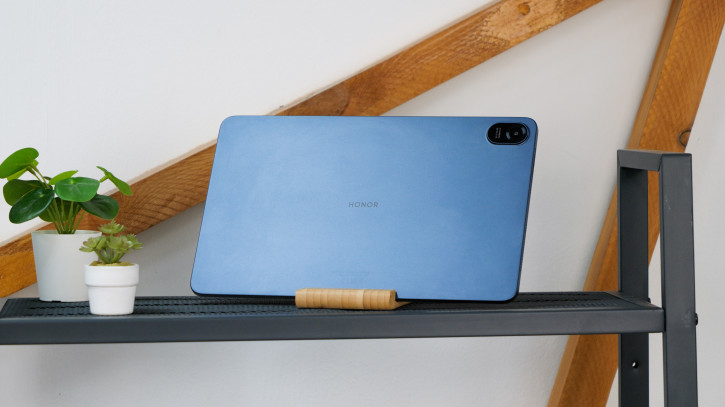
The design of the device is as neutral as possible.Discreet blue metal case with a plastic insert for antenna output on one of the ends, symmetrical narrow frames along the contour. Only the unusually rich design of the camera stands out, but we'll talk about that a little later. There are speaker grilles along the short sides - there are eight sound emitters in total in the tablet, which gives a very cool stereo effect. Well, they sound great.
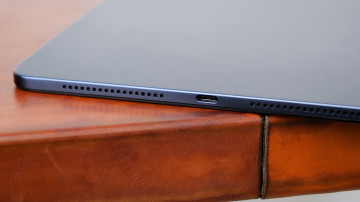
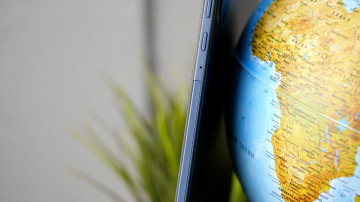
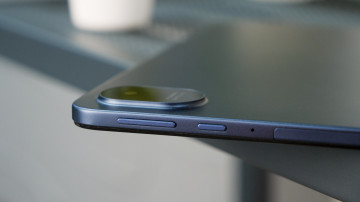
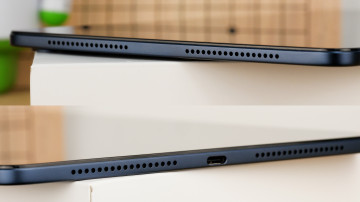
Walking along the ends, you can also meetUSB-C port (on the short side between the speakers), volume rocker and lock button (on the long side in the corner). The buttons are small, but groped quickly, you get used to them easily. Also, the weight is small (520 g), so it is comfortable to hold the tablet in your hands. In general, there are no problems with ergonomics. There is also no fingerprint scanner, headphone jack, vibration motor, memory card slot, magnetic connectors or any other specific connectors.
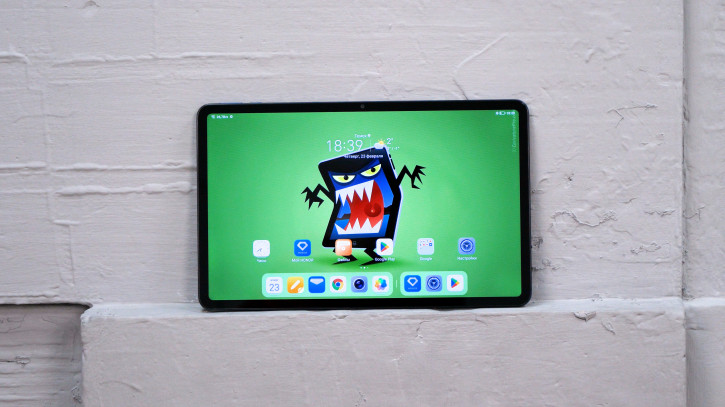
The Honor Pad 8 screen has a resolution of 2000x1200pixels (15:9) with a diagonal of 12″, which gives a rather modest pixel density of 194 ppi. It’s not difficult to see the pixels on the screen, but if you don’t do this on purpose and don’t read the text in very small font, then there won’t be any problem. The panel is made using IPS technology, so there are no problems with viewing angles and PWM. The brightness is sufficient for comfortable work indoors, but reading a book on the beach may cause problems. There is no Hertz - the screen is only 60 Hz.
Software
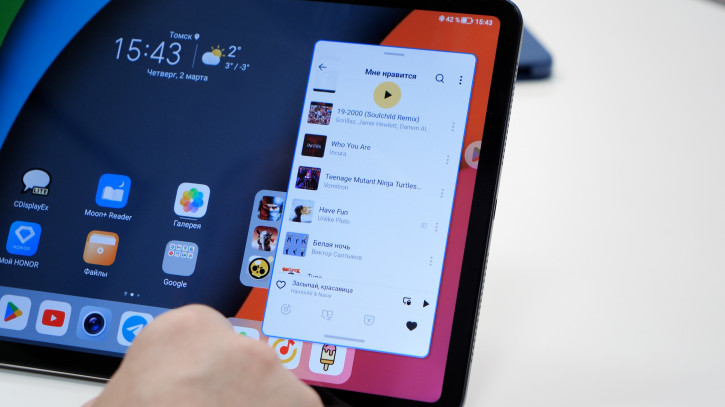
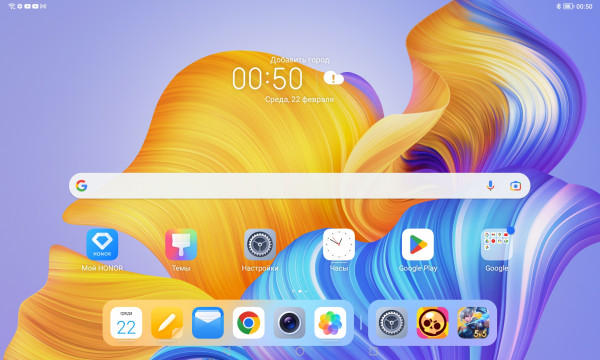
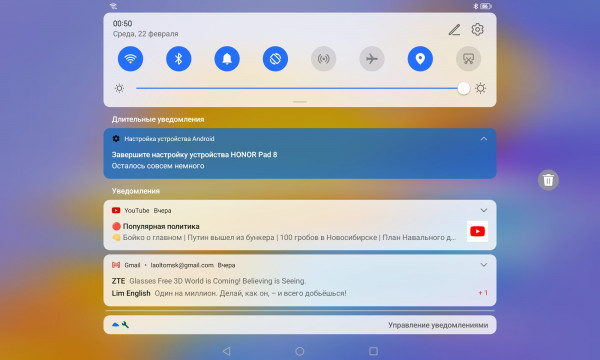
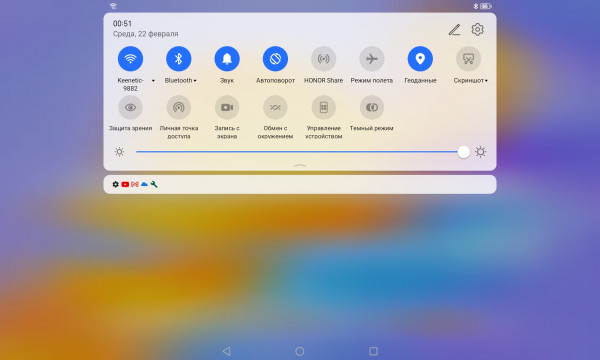
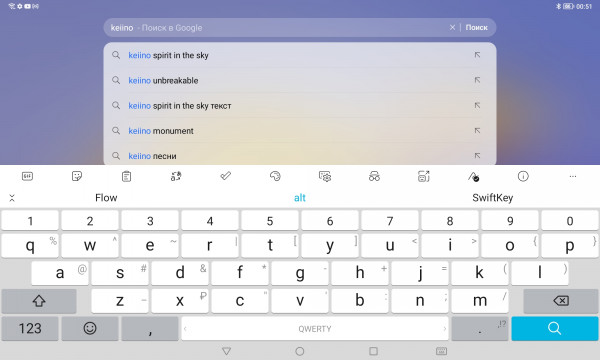
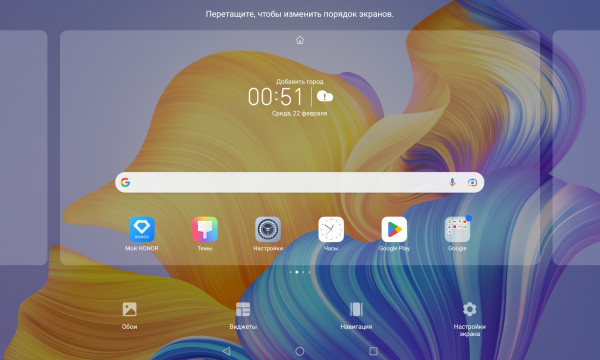
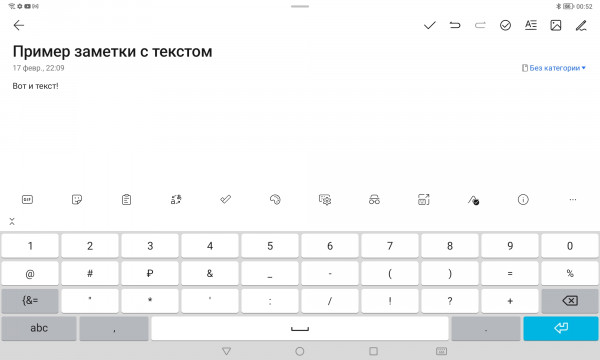
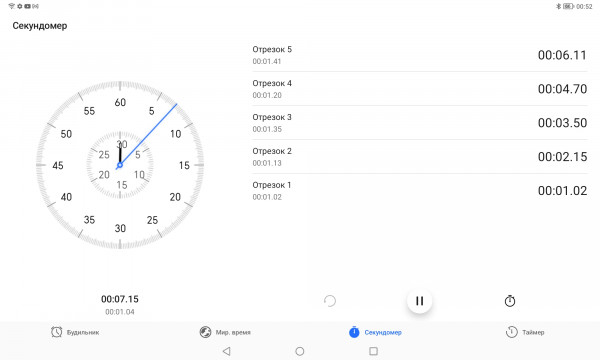
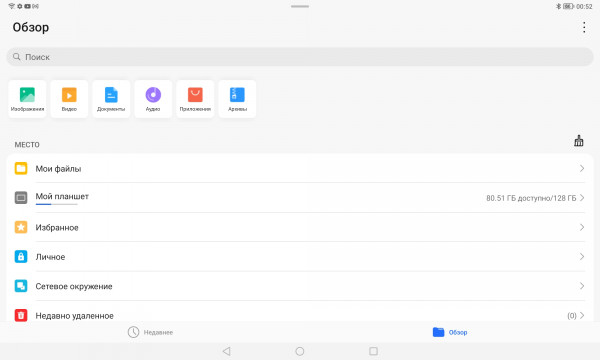
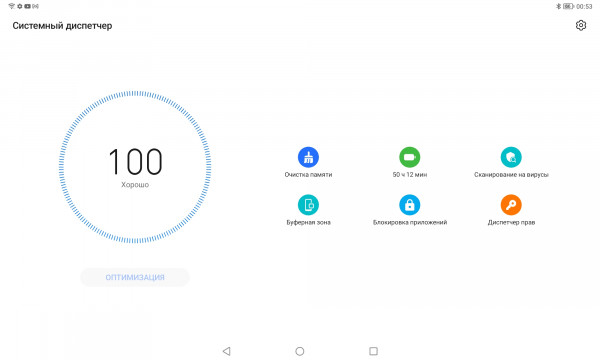
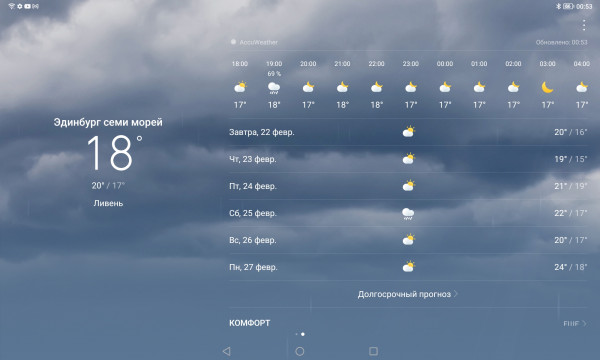
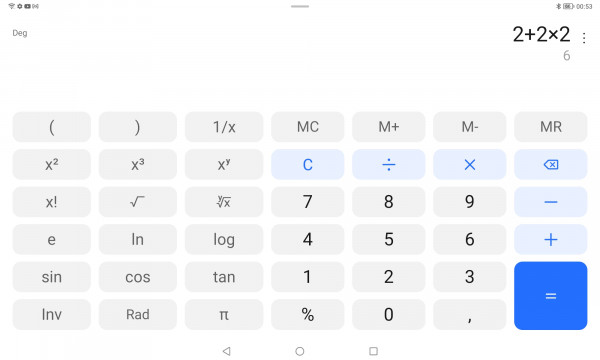
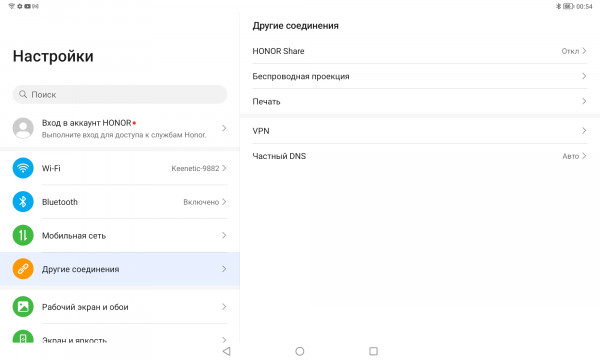
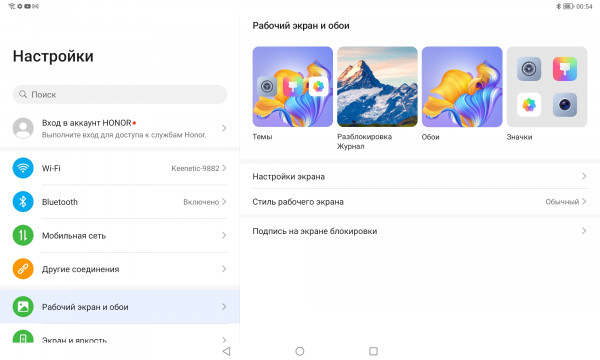
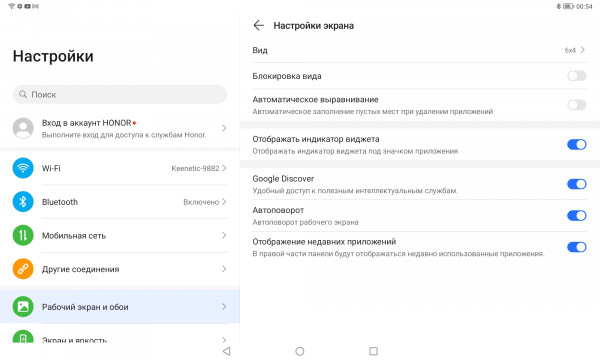
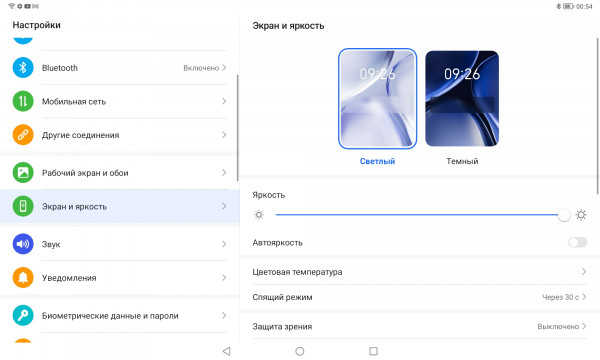
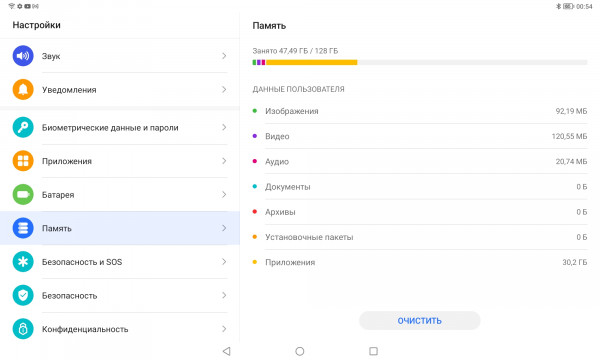
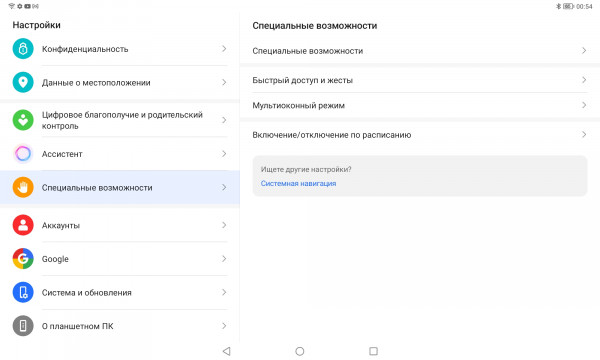
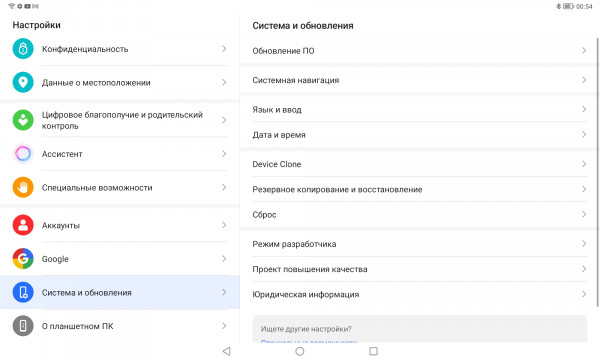
Honor Pad 8 comes with Magic UI 6.1, based on Android 12. The shell works quite quickly - not like on flagship smartphones, of course, but I won’t call a tablet slow-witted either. Unlike many other Android ROMs, Magic UI is perfectly optimized for tablets, almost all built-in applications are displayed taking into account the capabilities of the large screen, and not just stretched from the smartphone mode. Of course, there is Google Play, so the installation of any third-party software is carried out without problems.
Cameras
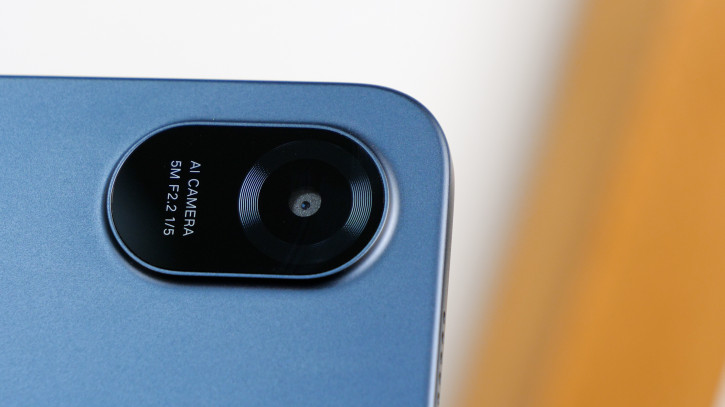
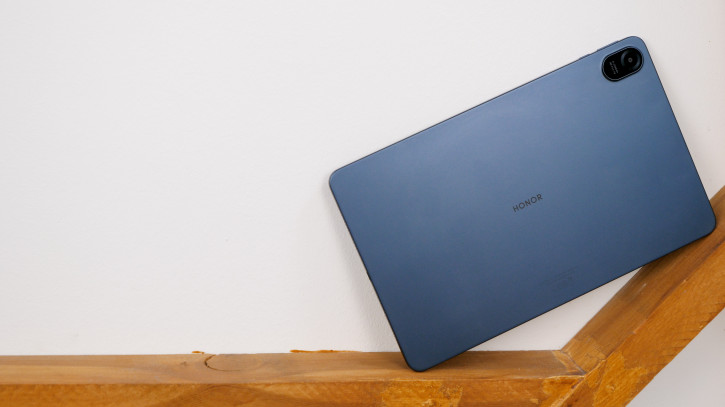
On the back of the Honor Pad 8 is a largecamera peephole with a rather informative inscription “AI CAMERA 5M F2.2 1/5”. I don’t know, however, why Honor wrote this on the case, since there is absolutely nothing to be proud of - five megapixels, f/2.2 aperture, 3.6 mm diagonal sensor (1/5″). It was also necessary to add FF to emphasize the lack of autofocus. However, I’m not going to criticize the camera at all - no one is going to use the budget 12″ The tablet is used as a camera, so it’s good that they installed a simple module and didn’t waste money. However, the tablet is perfect for leak hunters, UFO witnesses, and anyone else who needs to be able to take low-quality photographs.
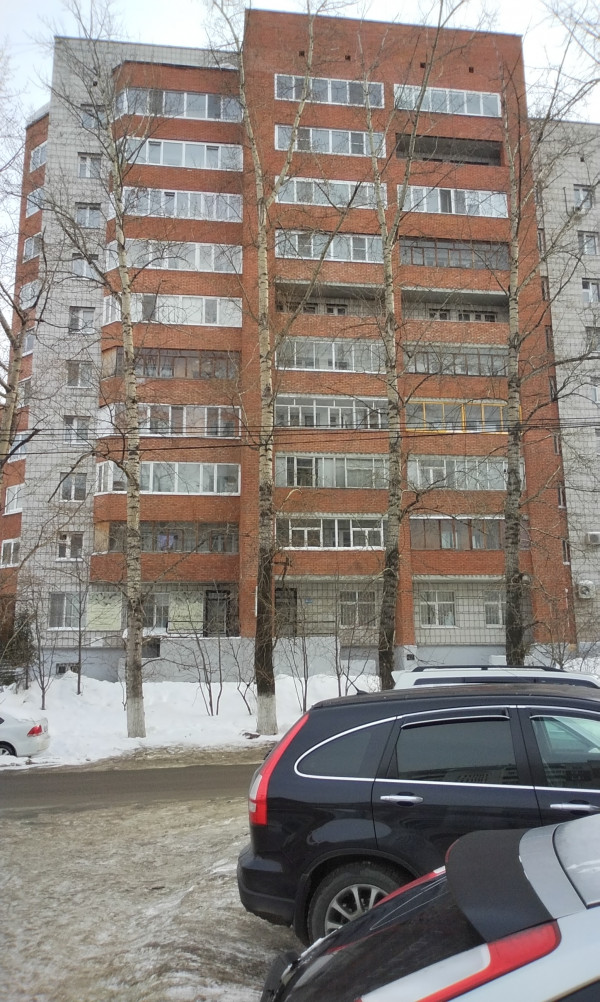
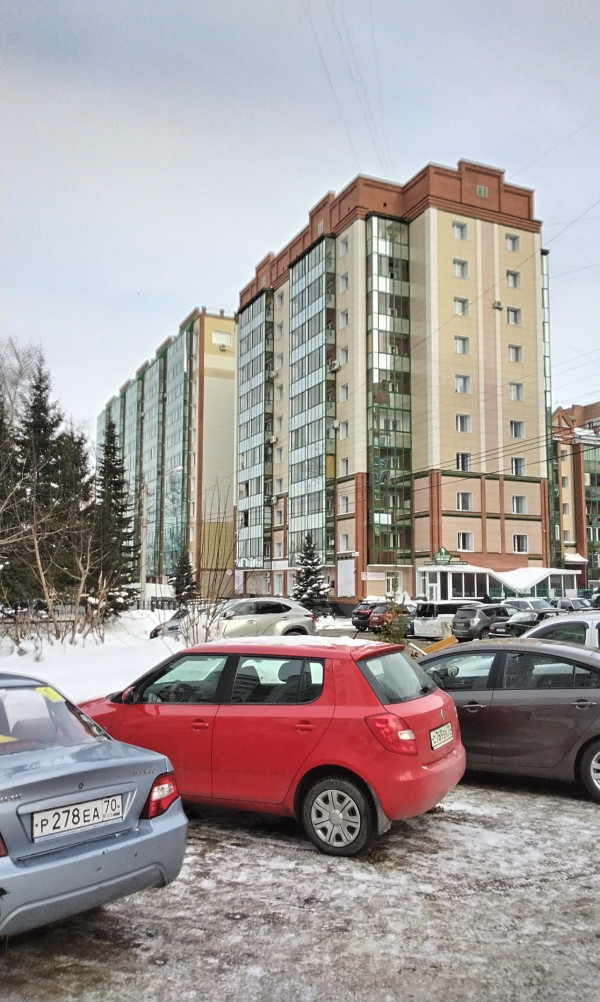
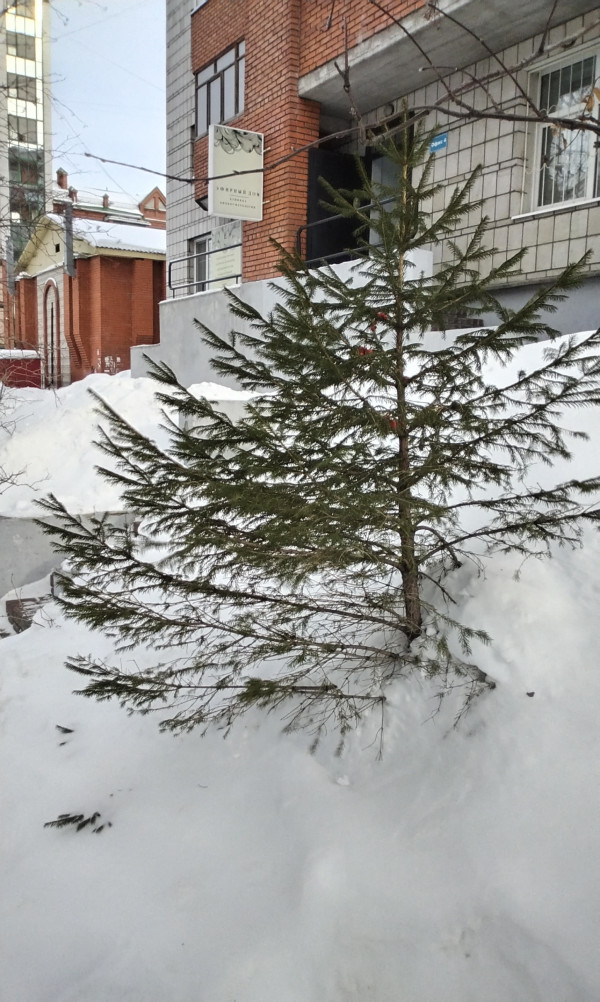

The front camera is also 5 MP, otherscharacteristics are unknown. But it seemed to me that she shoots even better than the main one (an example is at the end of the gallery). But maybe it just seemed. Although it would be logical: if the scenarios for using the rear camera of the tablet are very vague, then everything is easier with the front camera - Zoom, Teams, Skype and all other means of holding meetings and communicating with grandmothers. Video can be recorded in 1080p@30fps (both on the main and front cameras).
Performance and tests
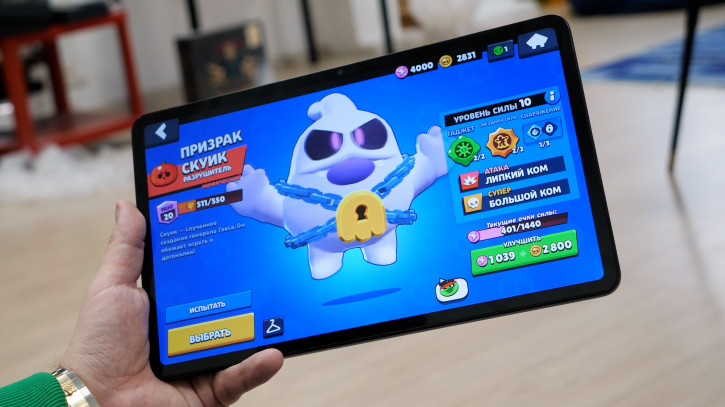
Honor Pad 8 hardware based on Qualcomm chipsetSnapdragon 680. This is an American chip maker's budget hit, which underlies so many products. At Honor, for example, all last year's budgets were based on it (X7, X8 4G, X9 4G). And many others too. This chip is not famous for its high performance, but it is famous for its stability and minimal heat generation. Everything is the same here:
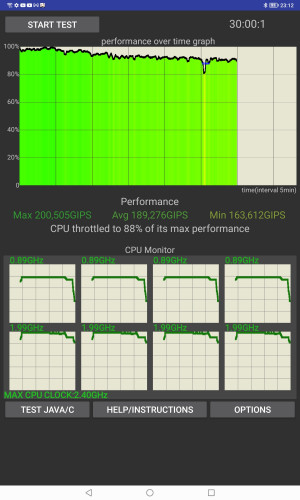
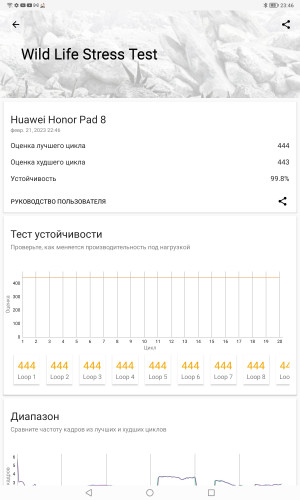
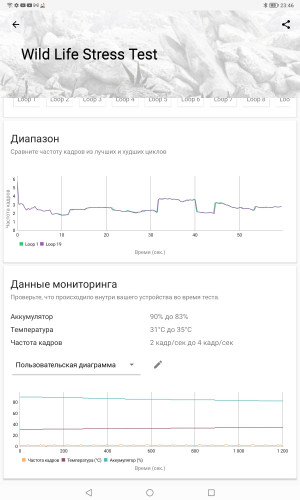
Even at fairly high screen resolutions likeI already wrote, Snapdragon 680 copes with the shell and standard applications. With simple games like Brawl Stars and Mobile Legends: Bang Bang, it also handles without problems, unless you are embarrassed by the complete absence of vibration and the screen refresh rate of 60 Hz. With Genshin Impact, the situation is this: it runs great on low graphics, but the resolution is so low that it's unpleasant to look at. On high settings, the resolution is better, but the game starts to lag. Medium settings are the real "golden mean": low resolution and lags.
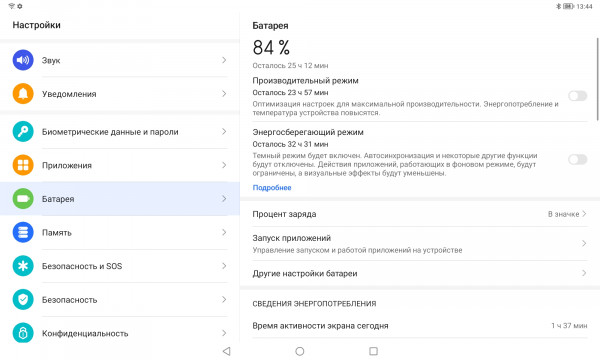
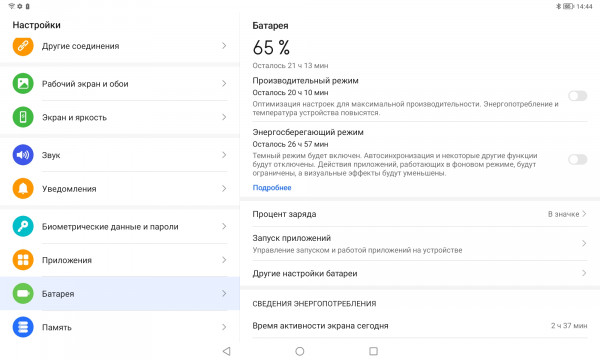
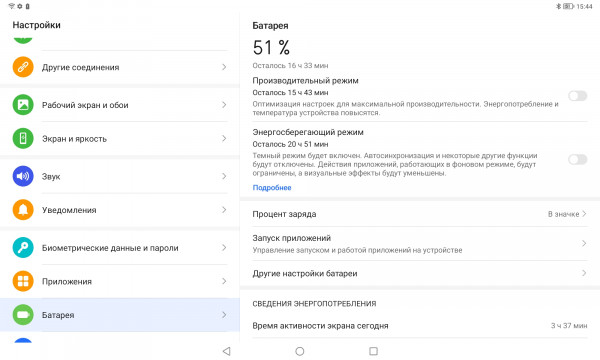
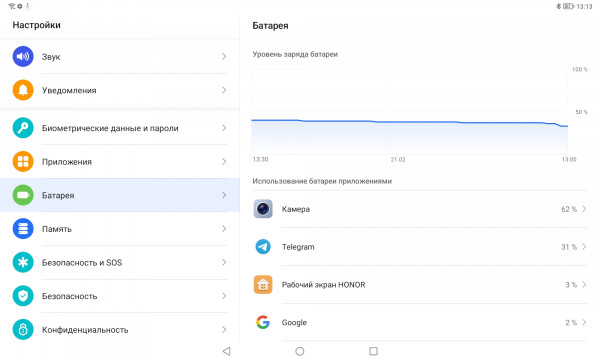
The battery capacity is 7250 mAh.In our standard tests, it discharges like this: 16% per hour of play, 19% per hour in the browser, 14% per hour of video. As you can see, the discharge rate is almost independent of the task, so for any use case, you can count on 6-7 hours of screen with maximum brightness. If you do not twist it to the maximum, then, probably, you can squeeze out ten hours. If not more.
The bundled charger does not impress with itspower - only 22.5 watts. A similar block was bundled with Honor 10 five years ago! I was already prepared to wait until he charged the tablet for three or four hours, but things went pretty quickly: 25% in 20 minutes, 50% in 42 minutes, 75% in 64 minutes and a full charge in 110 minutes. Quite suitable.
Keyboard case
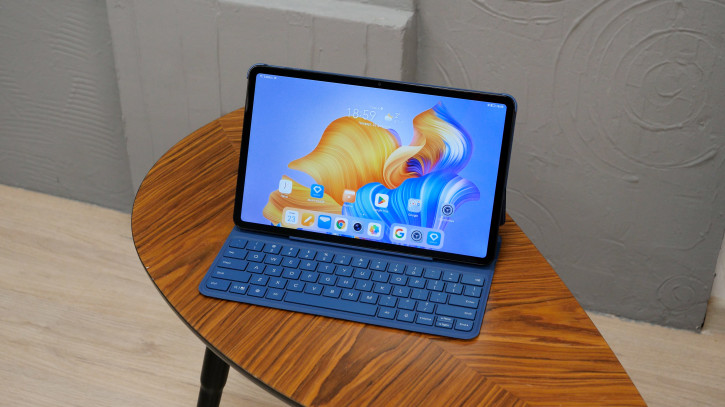
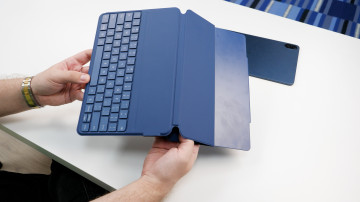
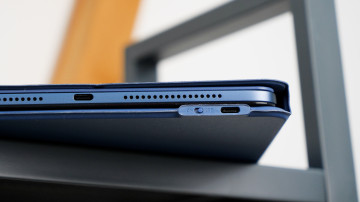
Together with the tablet, we testedkeyboard Case. It does not come bundled with the Honor Pad 8 and is generally produced by a third-party company, so I don’t know where it came from, but let’s tell you. As a case, it is good: thick, durable, sits securely, but it is not too hard to put on and take off. Since the tablet does not have a special connector, it connects via Bluetooth and charges via its own USB Type-C connector. Next to it is an on/off switch.
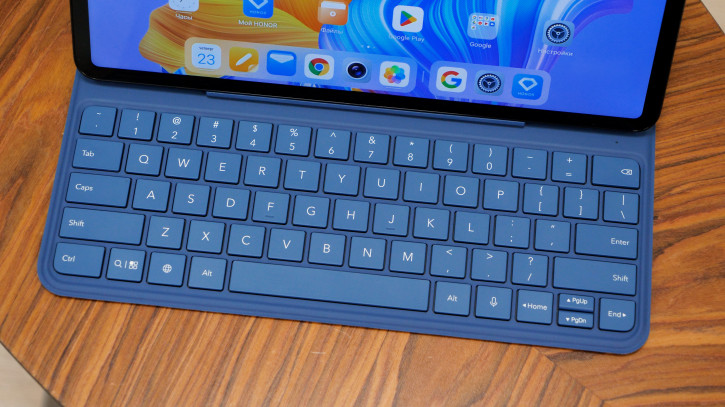
But as a keyboard, it is clearly not for everyone, becausethere are no Russian letters. But for me personally, this is not a problem - I know the yutsuken by heart, it’s easy to get used to switching layouts by Ctrl + Space. But not to the fact that there is no space in front of the keyboard where you can put your hands. This, of course, is not a problem of a specific case, but a common place for all such accessories, but I still consider it necessary to warn you. If you are considering a tablet as a typewriter instead of a laptop, then be sure to test this scenario before buying. (By the way, typing on the Honor Pad 8 without a case is generally unrealistic due to the lack of any kind of vibration response.)
Conclusions
As I wrote at the beginning of the review, right now inThe Russian retail assortment has four models of tablets with a screen larger than 11″ up to forty thousand rubles. What are these Honor Pad 8 competitors? Well, DEXP Ursus EX111 is hardly a competitor - it is very weak (and cheap). There is a Lenovo Tab P11 Pro - with an OLED screen of 2560x1600 pixels, but on Android 10 without the slightest prospect of getting at least some updates and with a Chinese plug included. Well, that's it. And there is TCL NXTPaper 12 Pro with a strange matte screen for thirty. It might be an interesting option, but I certainly can't recommend it blindly without testing.
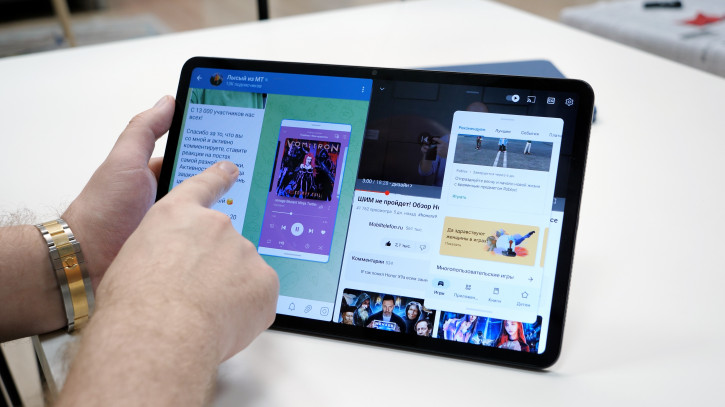
However, if you do not need a matte screen, but needjust a good tablet for YouTube, office applications and digitalized desktops - then the Honor Pad 8 will do just fine. It does not have any critical flaws, it does an excellent job with its key functions and does not offer anything extra.
© Oleg Lazarev.