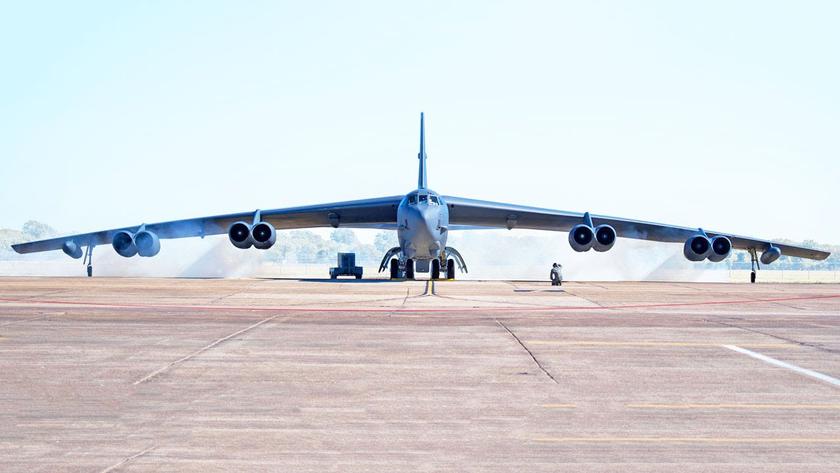
The B-52 Stratofortress is one of the oldest aircraft in US service and one of two strategic
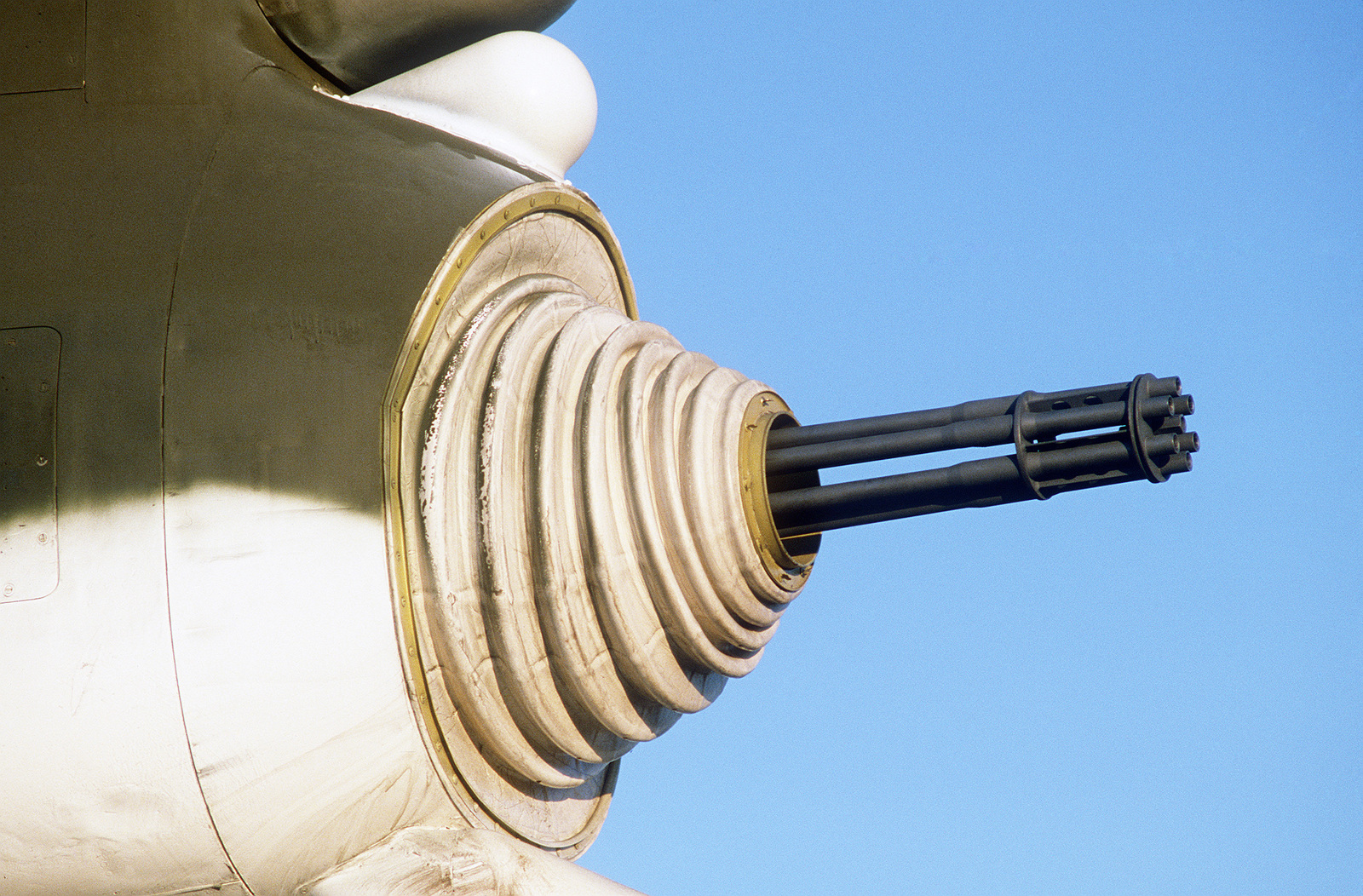
During this time, American specialists receivedseveral important lessons. One of them was during the Gulf War. Due to a not entirely pleasant situation, the B-52 Stratofortress lost its defensive armament, which was installed in the tail turret.
Officially, the US Air Force said the cause wasthe desire to save money, but saving is just a nice bonus. In fact, the cannon had to be abandoned due to friendly fire. The incident occurred in early 1991 during Operation Desert Storm.
</ img>
B-52 bombers attacked groundtargets and sites for Scud missiles. In total, by the way, during the war they made over 1700 sorties and threw off about 30% of all ammunition. The M61A1 Vulcan cannon was installed on board the aircraft. It was used for defensive purposes along with the AN / ASG fire control system, which included a radar.
It is because of AN / ASG that one of the bomberscame under friendly fire. The B-52 gunner reported that he was being tracked by an Iraqi fighter. However, it turned out that it was the American F-4G Wild Weasel, which fired the AGM-88 High-speed Anti-Radiation Missile (HARM) at the Stratofortress. It was later revealed that F-4G pilot Wild Weasel mistook the AN/ASG for an Iraqi air defense system.
Ultimately, the F-4G Wild Weasel managed to get away fromfire from the B-52 Stratofortress, and the AGM-88 HARM anti-radar missile completely smashed the aft fuselage of the bomber. B-52 was able to land in Saudi Arabia. In transit through the island of Diego Garcia, the damaged aircraft was delivered to the air base on the island of Guam. There he received the nickname In HARM's Way and no longer participated in the Gulf War.

</ img>
By September 16, 1991, the position of the tailthe B-52 Stratofortress arrow was abolished. This was officially announced by General George L. Butler (George L. Butler), head of the US Air Force Strategic Command. He called the decision difficult, and called the key reason not the incident in the Persian Gulf, but a sharp budget cut after the collapse of the USSR.