Sometimes after purchasing an external battery, you may notice that it charges your device too much.
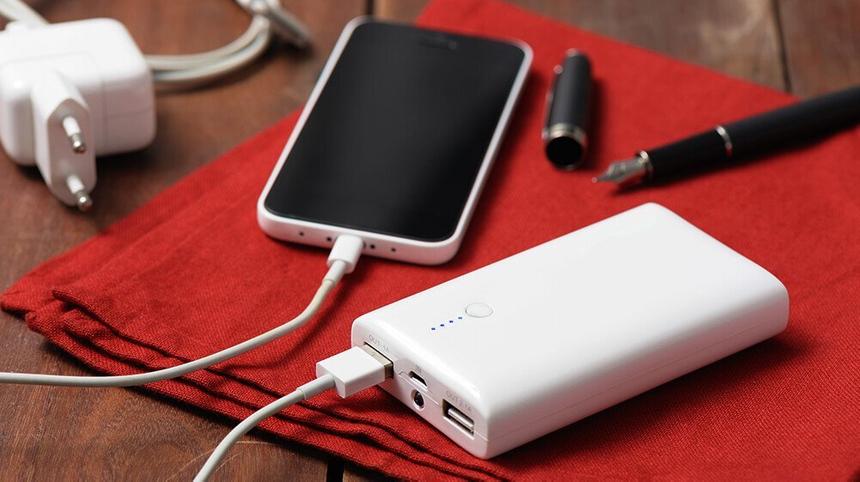
An iXBT.com user told what parameters of an external battery you need to pay attention to so that you definitely won’t regret it after buying it.
-
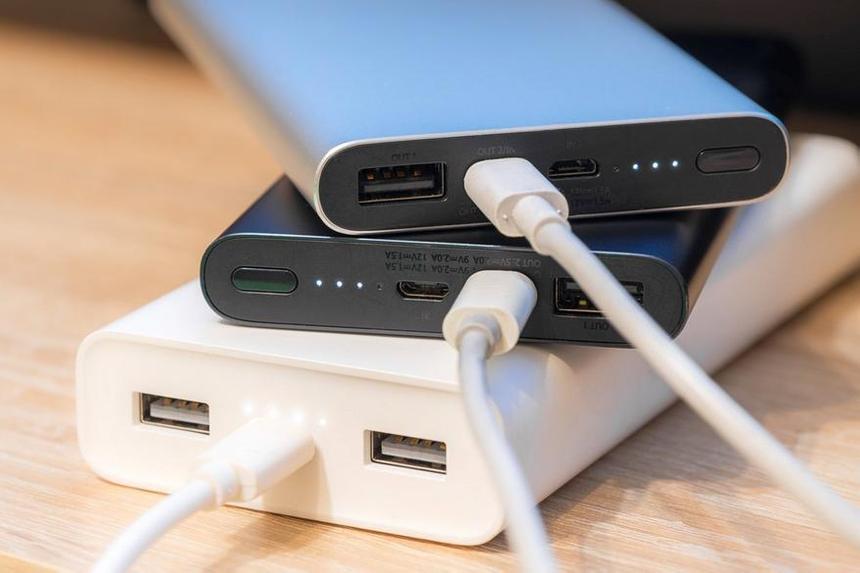
Connectors. It depends on the ability to charge the smartphone.For example, if you have a cable with a USB Type-C connector, then it makes no sense to consider a power bank model with USB-A. Ideally, of course, the external battery should be equipped with ports through which most of your devices are charged.
-
Capacity. Many power banks have a capacity of 10,000 mAh.But if you need more, then be prepared that the device will weigh more. True, the capacity that the manufacturer indicates on the box is always less than the real one due to the physical limitations of the battery. But if the model is of high quality, then the actual capacity will be 80-95 percent of what is stated on the package.
-
Output current. On the box with the power bank you can findcharacteristics like 10V, 2A. It is important that the second number is not less than the required power of your smartphone. You can find out the power indicators through the official website of the manufacturer or on the power supply that comes with the smartphone.
-
Fast charge support. The fact is that some manufacturers createown fast charge formats. For example, Qualcomm has Quick Charge, Oppo – Super Vooc, from Apple – Power Delivery. Therefore, it is necessary to immediately find out which specific formats the external battery supports.
-
Wireless charger. Modern power banks come with a QI wireless charging coil. Therefore, if your smartphone supports this function, then you can also use it.
-
Housing material and protection. If you take an external battery on trips, thenit makes sense to pay attention to the presence of protection. There are, for example, power banks with IP68 protection (the ability to be submerged in water to a depth of up to 30 m for a short time) or shockproof covers for such batteries.