IBM announced the creation of an Osprey processor using 433 quantum bits (qubits).That's twice as much
The classical computer stores and processesinformation in binary bits, which can take on the values "0" or "1". A quantum qubit can take on these same values, but also their superposition. Increasing the number of options exponentially increases the computing power of the device for each added qubit. As a result, quantum processors can perform calculations that traditional computers cannot.
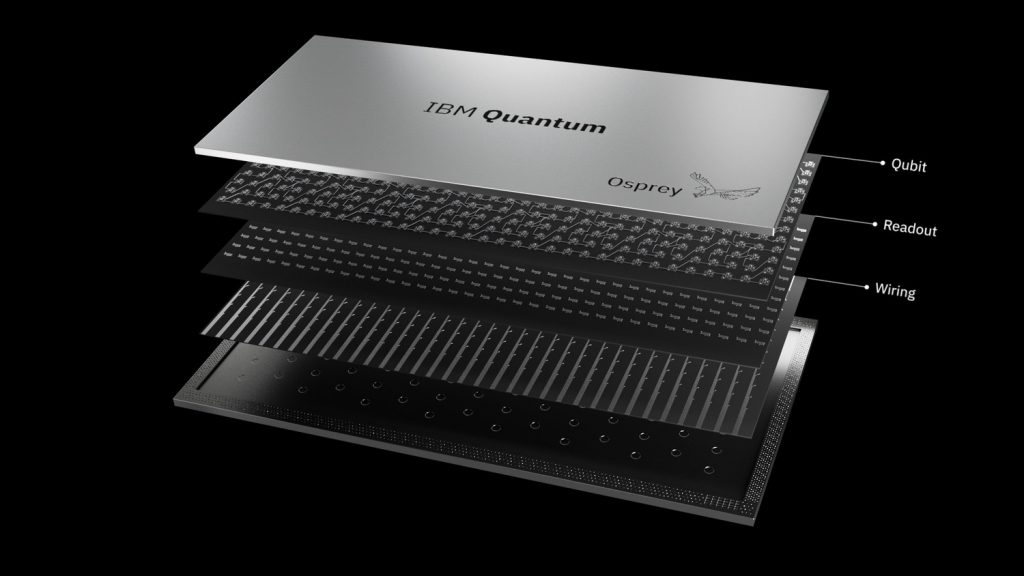 Osprey Quantum Processor. Image: IBM
The Osprey architecture is a single layerinstallation of qubits on top of several layers of control wiring. This approach increases the number of quantum elements while reducing the number and frequency of errors, the company explains.
IBM states that the machine's capabilitiesprocessing data far exceed the capabilities of any traditional computer. The company estimates that it would take more bits for a classical processor to achieve similar processing power than there are atoms in the known universe.
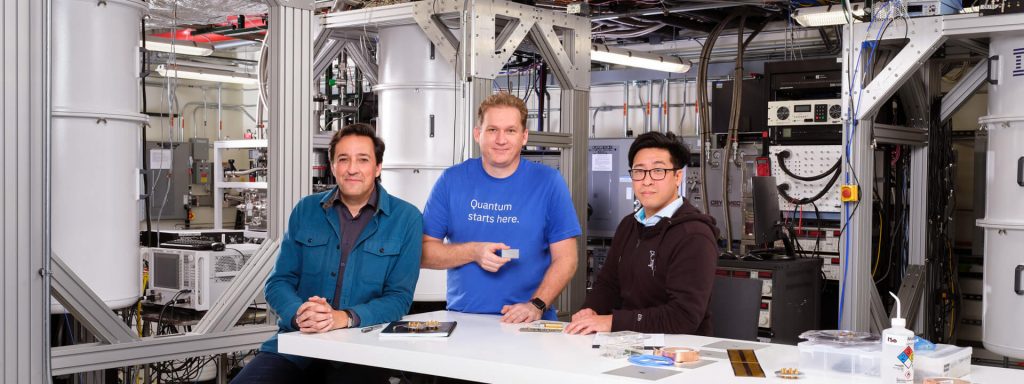 On the cover: a new quantum processor in the hands of developers. Image: IBM
Despite impressive achievements, the companyannounces plans to surpass them in a year. The company's roadmap refers to the design of the Condor quantum processor, which will already use 1121 qubits. In addition, the company is creating a modular processor called Heron, which will allow multiple 133-qubit blocks to be combined to create more powerful quantum processors. And by 2025, IBM plans to create a processor with 4,000 qubits.
Read more:
Named the consequences of the last solar storm that hit the Earth
A massive impact from a space object triggered the Earth's magnetic field
A huge tunnel under the Egyptian temple “hidden” mysterious artifacts