The COVID-19 coronavirus continues to rage in Italy: according to the latest data, more than 59 thousand people have been infected, more
How was it
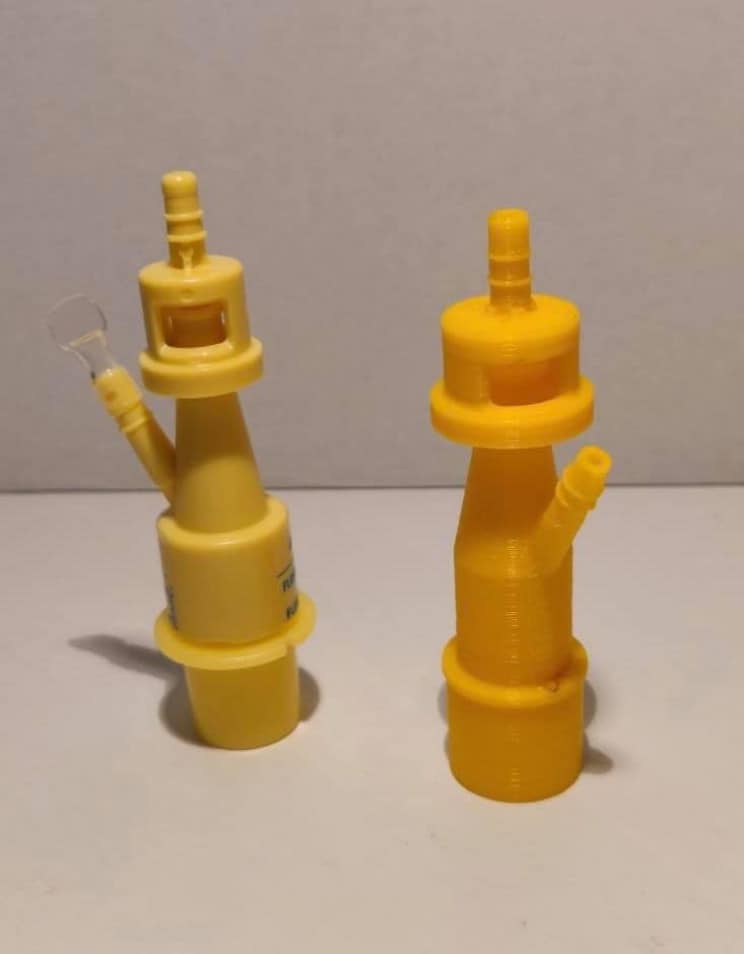
A hospital in northern Italy faces a shortagevalves for artificial lung ventilation systems, and mechanical ventilation is a key element in the treatment of people with COVID-19 who have severe complications of the respiratory system and require hospitalization. The guys from the 3D printing startup Isinnova found out about this and decided to help doctors. They took a sample and returned within a few hours with a finished prototype.
</ img>
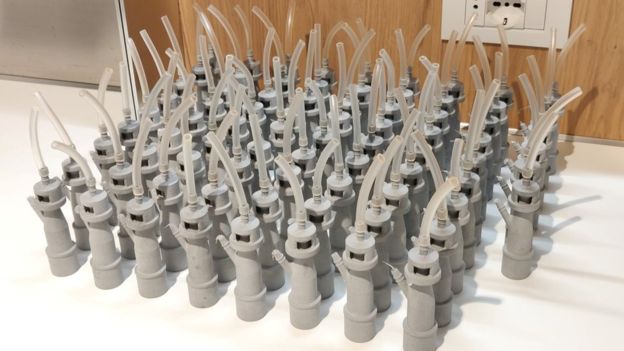
It was tested and the valve was completelyworkers. Then production went into full swing. It takes 1 hour to produce one valve, and its cost is about 1 euro, which is much cheaper than the original valves. Isinnova contacted another 3D printing company and within 24 hours the hospital received 100 new valves.
</ img>
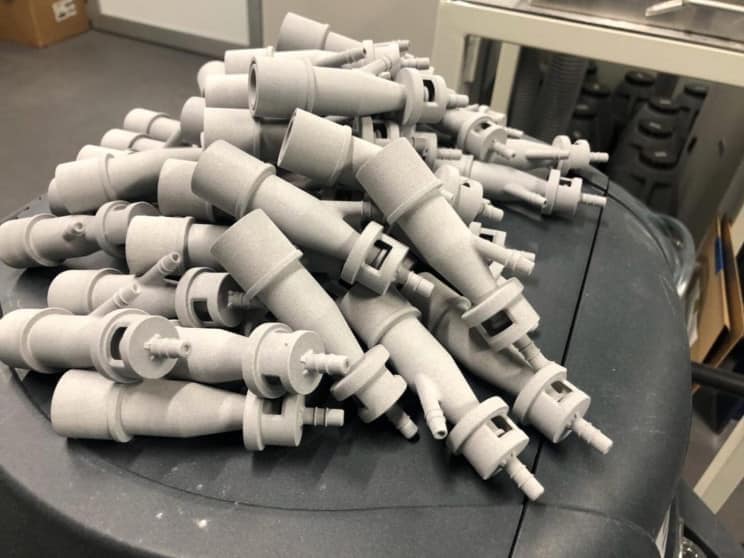
Now the startup is ready to provide freevalves of hospitals in the region. Moreover, they patented their valve. This initiative is completely non-commercial: the patent will remain freely available, and anyone will be able to start manufacturing the valve.
</ img>
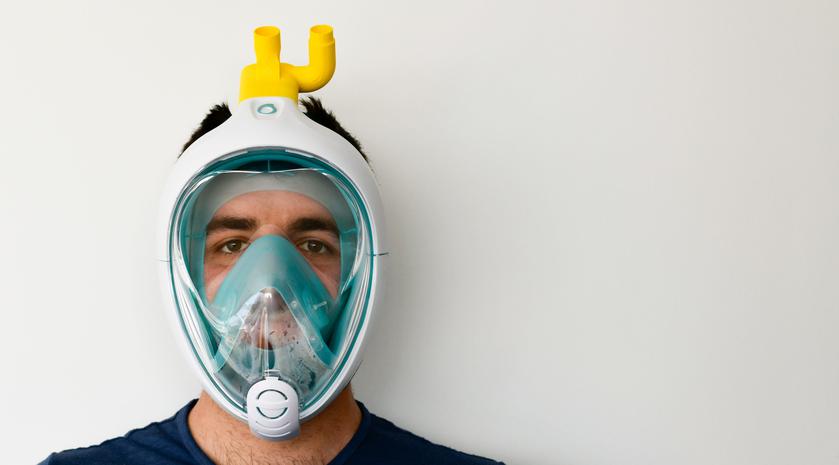
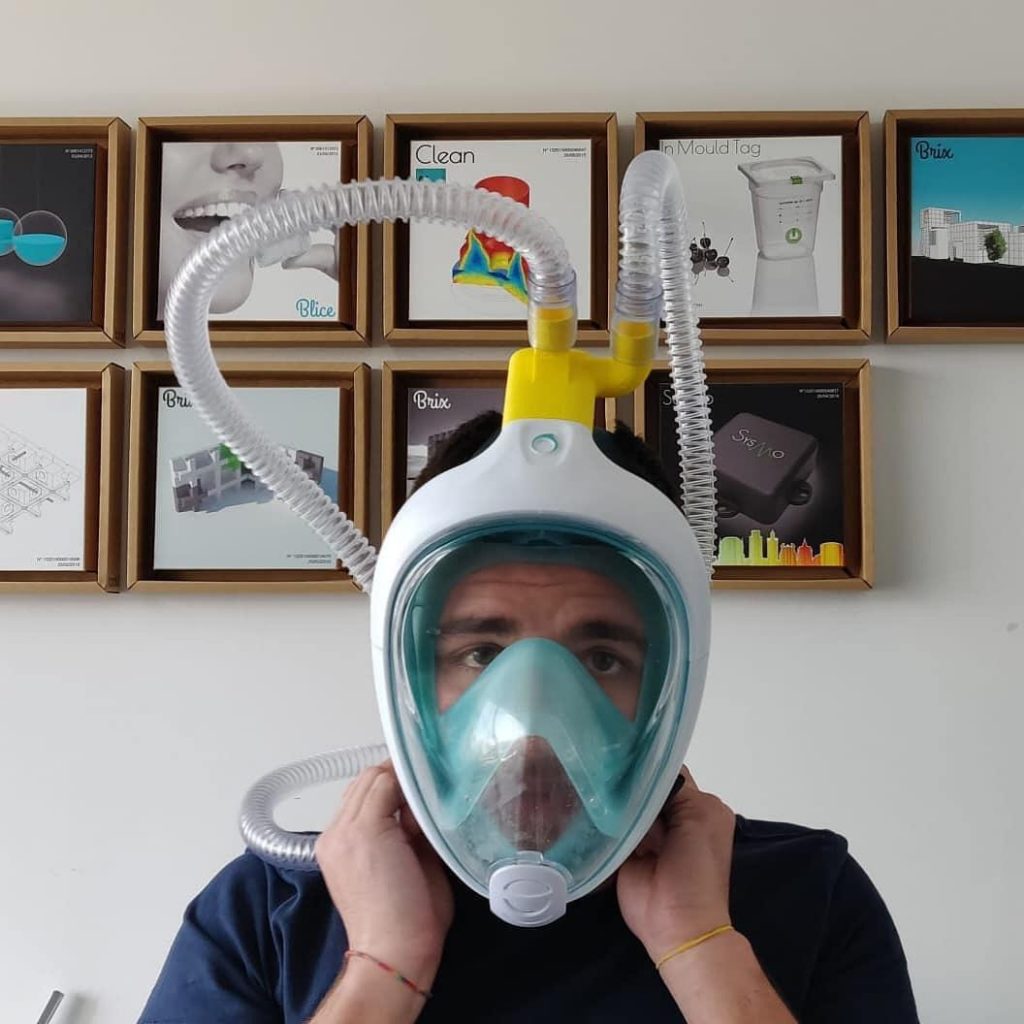
After this, Isinnova representatives moved onand turned a snorkeling mask (a type of swimming under the surface of the water with a mask and a breathing tube and usually fins) using a printed valve into a respirator.
</ img>
“This is not a replacement for a pulmonary ventilator,” saysstartup director Christian Fracassi, “but it can be used in emergency departments, where patients remain for three days waiting for a bed.”
They also patented the invention and made it publicly available.
What's in Ukraine
The Ukrainians also picked up the idea of the Italians:Revel Laboratory company decided to transfer all of its 3D printers to the production of valves for mechanical ventilation. They have already contacted Isinnova to obtain technical specifications and 3D models of the required valves. However, a problem arose.
“Everything is not as simple as we would like.Valves in Italy solved the problem of only one hospital, since all their devices were the same. In Ukraine there are currently 30+ different ventilator models with a serial breakdown from 1995 to 2019,” said company co-owner David Stavnitser.
Now engineers are looking for a solution to this problem.
</ p>