According to a 2019 global scientific review, the world's insects are "already on a path to extinction," threatening
At the same time, the total mass of insects decreases by 2.5% per year. This means they could disappear within a century.
Why are insects at risk?
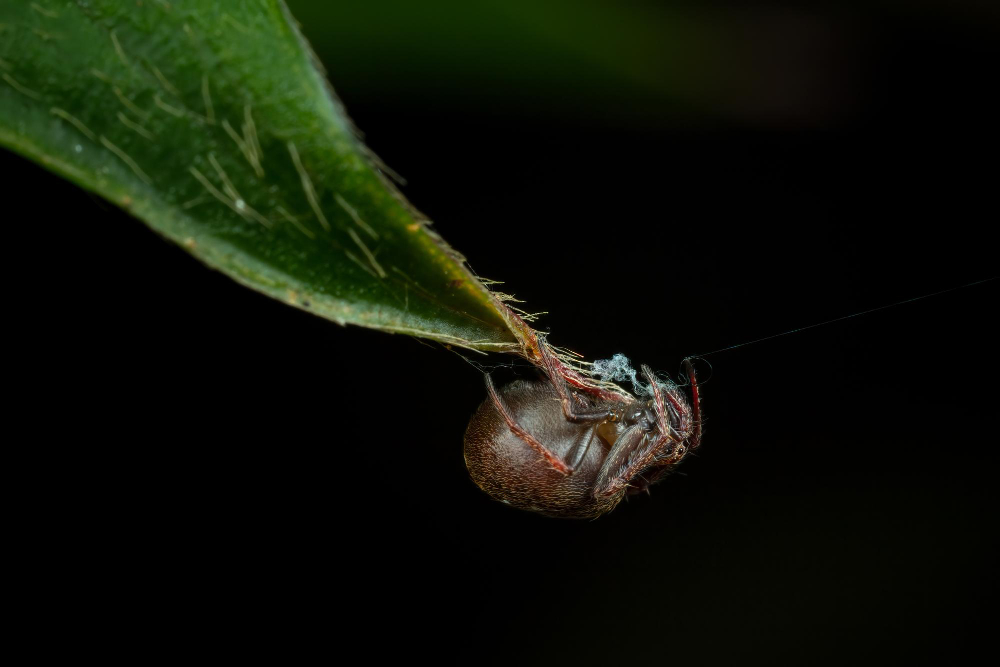
The small size of insects' bodies and their inability to regulate their own body temperature have made insects particularly susceptible to changes in temperature and humidity levels.
 en.freepik.com
There is growing evidence that manyInsect populations are rapidly declining in various regions of the planet. This process worries experts. Additionally, the media and even some scientists are increasingly using terms such as the coming "bug apocalypse" to describe this phenomenon.
Why is it dangerous?
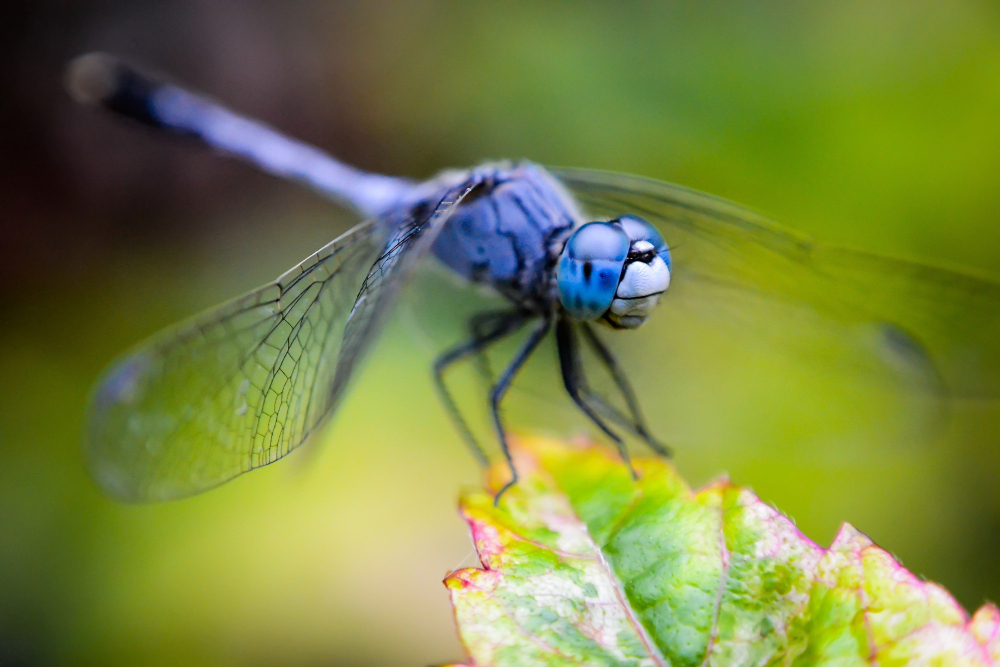
Insects - a wide varietyand numerous animals that are 17 times larger than humanity. Researchers say they are "essential" for the proper functioning of all ecosystems as food for other creatures, pollinators and nutrient recyclers.
The disappearance of insects is dangerous becauseare moving up the food chain and may already be playing an important role in the worldwide decline in their consumption. We are talking, in particular, about insectivorous birds that live in temperate environments.
 en.freepik.com
According to scientists, insects are an importantpart of biodiversity and play an important role in the functioning of ecosystems and the functioning of the environment. Thus, among their responsibilities are flower pollination, pest control and nutrient processing. All of this is beneficial to other creatures, including humans.
According to a recent University studyJames Cook in Australia, climate change has increased the impact of other factors threatening insect populations, such as pollution, habitat loss and predation.
Signs of the insect apocalypse
Apart from the obvious problem of environmental pollutionenvironment with various chemicals, there is another problem. Light pollution is an important but overlooked factor in the rapid decline of insect populations, according to the most comprehensive review of scientific evidence to date.
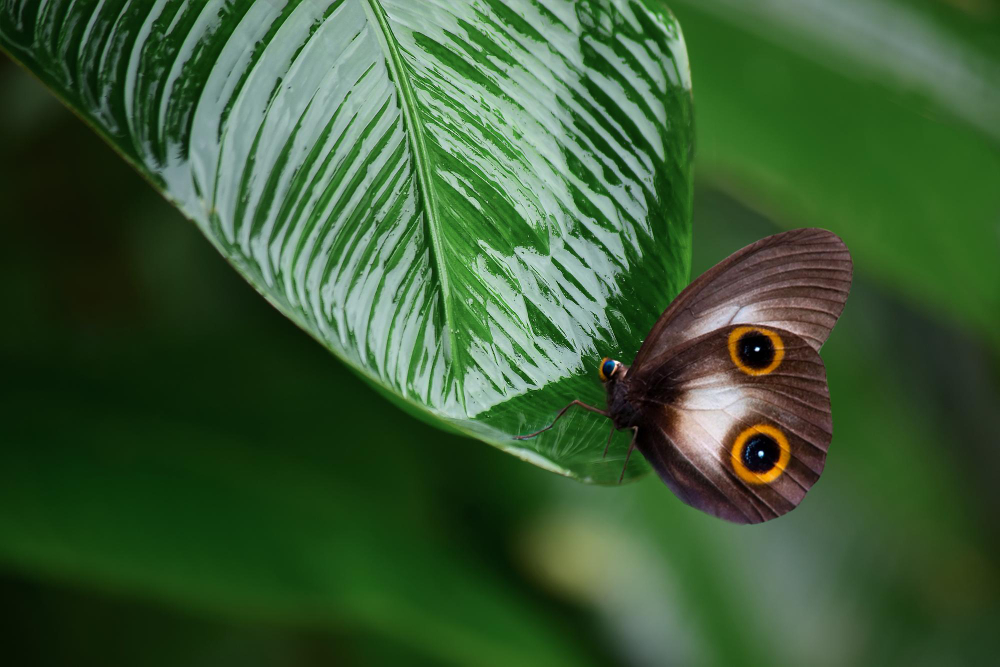
According to researchers, artificial lightat night can affect all aspects of insect life. In particular, we are talking about the well-known problem of luring moths to light bulbs and their further death around the light bulbs. In addition, due to artificial lighting, prey insects are often more vulnerable than predators - to rats and toads. This, by the way, aggravates the problem of predation, which we wrote about earlier.
 en.freepik.com
Light pollution also contributes to the problem.mating, for example, fireflies. According to The New York Times, they have fallen on "difficult times." Like many other insects, they face increasing threats from habitat loss, pesticides and pollution. But they also have a problem unique to glow bugs: They find it increasingly difficult to reproduce because light pollution obscures their mating signals.
It turns out that fireflies use luminescenceDuring courtship: males glow to signal availability, and females respond with patterned flashes to show they are “in the mood.” But the bright light from billboards, street lights and houses makes it difficult for potential firefly pairs to mate.
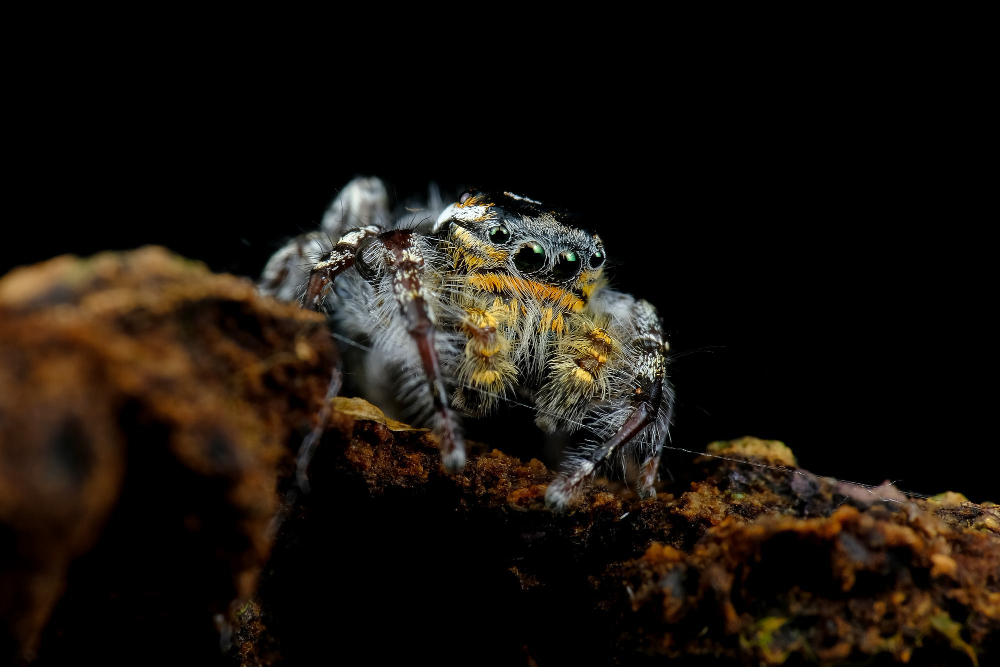
The problem can extend far beyondlarge cities: bright light is scattered into the atmosphere and can be reflected in wildlife. In addition to distorting mating signals, it also disrupts the feeding patterns of females in some species, which light up to attract males.
 en.freepik.com
“We argue that artificial lightNighttime is another important but often overlooked source of the “bug apocalypse,” the scientists concluded after assessing more than 150 studies. However, unlike other causes of insect extinction, light pollution was relatively easy to prevent by turning off unnecessary lights and using the right curtains.
In an analysis published in the journalBiological Conservation states that intensive agriculture is the main cause of population decline. The main problem is the intensive use of pesticides. Urbanization and climate change are also important factors.
Five years ago, the British authorities announcedthat the safe use of pesticides on an industrial scale in different landscapes is a myth. The absence of any restrictions on the total amount of pesticides used and the virtual absence of monitoring of their environmental impact means that it can be years before the impact becomes apparent, the scientists explain.
 en.freepik.com
Previously, scientists made a very unambiguousresearch that proves that farmers can reduce their use of pesticides without damaging their crops. Also in the context of insect extinction, it is worth remembering the UN report, which exposes the “myth” that pesticides are necessary to feed people and animals.
What awaits humanity?
According to the latest reports above,The insect extinction crisis is global. As biologists stated back in 2019, the Earth is “facing a sixth major extinction event, which is having a profound impact on life forms on our planet.” However, the problem has not yet been resolved. Hi-Tech wrote about this earlier.
Scientists emphasize that if humanitywill not change the way food is produced, insects as a whole will die out within a few decades. The consequences this will have for the planet's ecosystems will be "catastrophic, to say the least."
“The evidence is clear and striking.We need to act now to minimize the impact on insect populations—we know how to do this, but decision-making and the necessary funding continue to be delayed,” the scientists explain.
As a result, if the extinction of insect species cannot be stopped, it will have catastrophic consequences for both the planet's ecosystems and the survival of mankind.
Read more:
Starlink signal hacked to be used as an alternative to GPS
"Hubble" looked into the "keyhole" of the universe
NASA revealed the origin of Haumea - the most mysterious planet in the solar system
On the cover: D. Dibenski, Public Domain