Plastic pollution is a fundamental problem that is unlikely to be solved anytime soon.
These include engineeringenzymesAndflour wormswhich feed on polystyrene foam and are capable of destroying PET plastics in a relatively short period of time.
In a new study, scientists found that these include wax worms. These are wax moth larvae that feed on wax and are a major problem for beekeeping.
Scientists have analyzed the process thatIt allows the worms to absorb and digest plastic, and came to the conclusion that this is due to the work of a certain type of intestinal bacteria, which we managed to detect and describe.
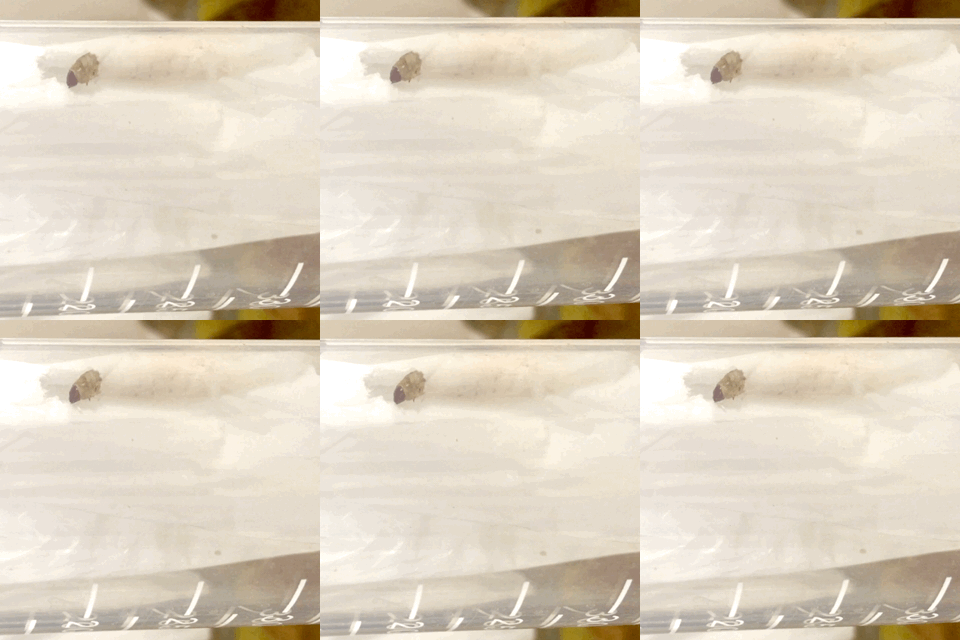
Plastic contamination problem toogreat to deal with it with the help of a separate species of worms. But if we can determine how bacteria work with the worm and what conditions make them feel better, this information can be used to develop better tools to destroy plastics and microplastics from the environment.
Brian Cassone, lead author of the study
Previously, Russian scientiststaughtmicrobes deliver medicine. A strain of Bacillus subtilis, harmless to humans, will be able to accurately and safely deliver nanocapsules containing drugs to various parts of the body.