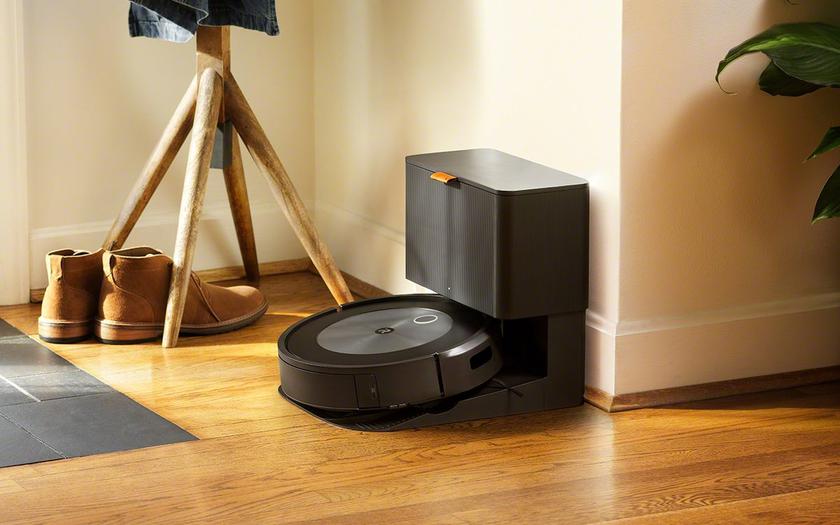
In the fall of 2020, photographs taken by
What is known
It is reported by MIT Technology Review.The authors received several photographs that were taken by robots. One of the shots shows a woman in a lavender T-shirt with shorts down to mid-thigh, sitting on a toilet.
</ img>
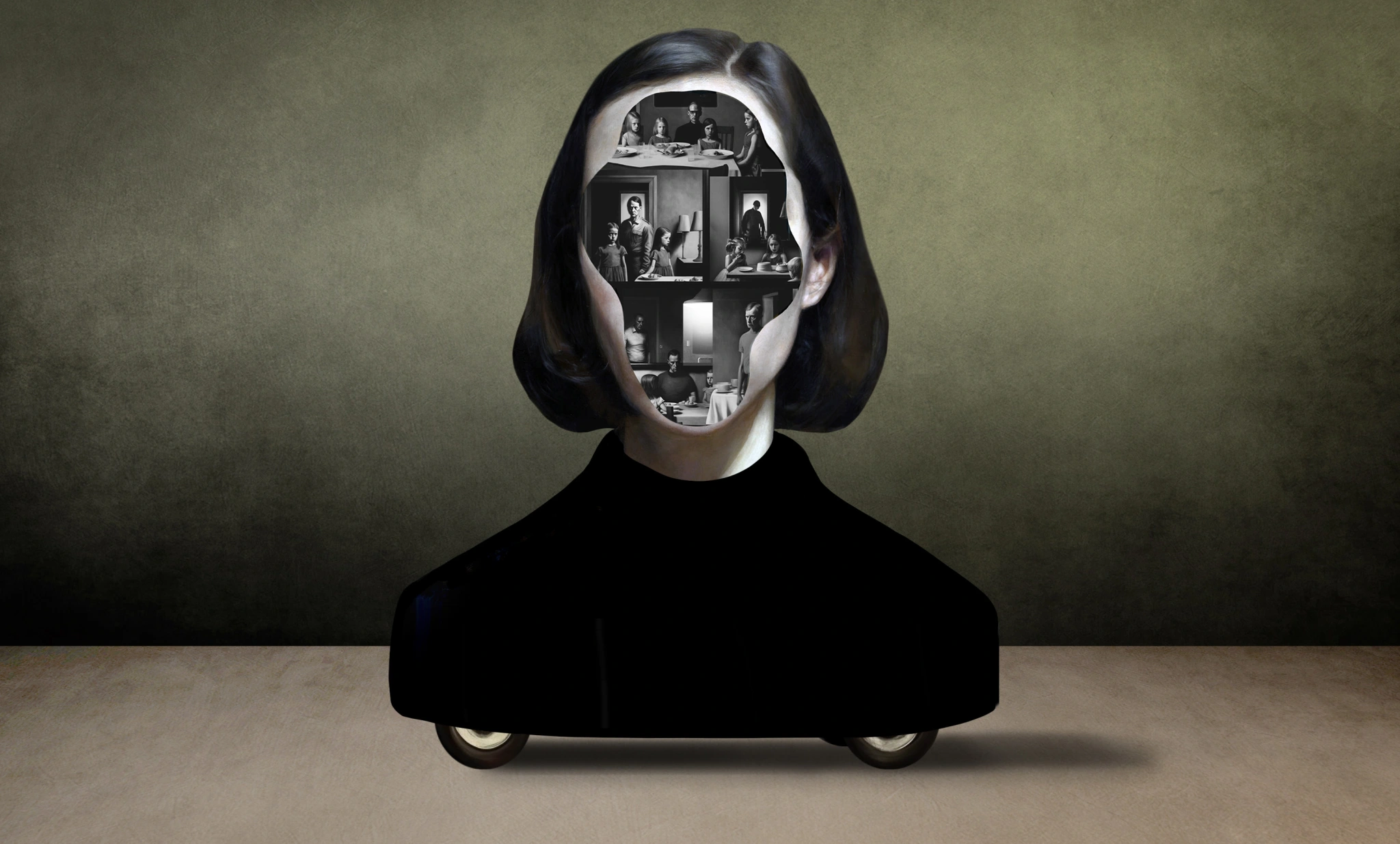
Photographs vary in type and degree ofsensitivity." The article says that the most intimate were the images of a young woman on the toilet, whose face was hidden. The author of the photo was the iRobot Roomba J7 series robot vacuum cleaner. He sent the pictures to the startup Scale AI to train artificial intelligence.
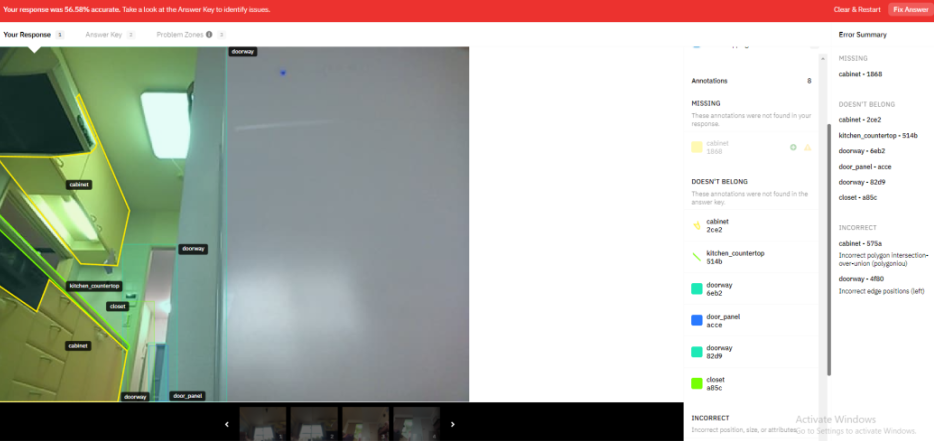
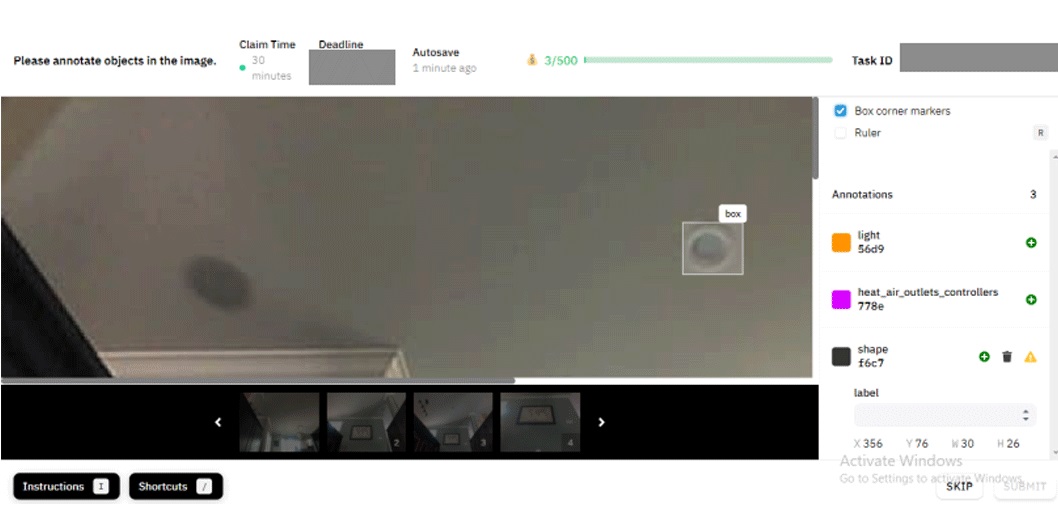
Other shots show rooms in differentcamera angles, furniture, decor items and pets. Moreover, the device recognized the objects in the photo, so they are framed and have captions. For example, "TV", "flower", "ceiling lamp".
</ img>
iRobot, recently acquired by Amazonfor $ 1.7 billion, confirmed that the photos were taken with vacuum cleaners, but there is a nuance. It lies in the fact that these images were obtained by experimental devices with hardware and software modifications. Such robots are not available for purchase.
</ img>
They were given to people who signedan agreement stating that they are aware that the robots are sending photos and videos back to the company for review. iRobot will also note that the devices have a sticker that says "Video Recording in Progress". In addition, the recipients of the robots were required to remove anything they considered sensitive from the machine's field of vision, including children. By the way, one of the robots photographed a child aged 8-9 years old, who was lying on the floor and looking directly into the camera lens.
In simple terms, the company claims that everyone whoreceived an experimental version of Roomba, agreed that the robot vacuum cleaner would monitor them. At the same time, iRobot did not provide the authors of the article with an example agreement and did not share the contact details of the people who received the modified devices.
</ img>
The authors of the material received only 15 images.According to iRobot, in total, its robotic vacuum cleaners took more than 2 million pictures so that specialists from Scale AI and other companies could improve the work of artificial intelligence algorithms.
James Baussmann, RepresentativeiRobot said the firm "has taken all precautions to ensure that personal data is processed securely and in accordance with applicable law." He also noted that the images submitted to the MIT Technology Review were "transferred in violation of a written non-disclosure agreement between iRobot and an image annotation service provider."
</ img>
iRobot CEO Colin Angleresponded to the incident. He stated that the company is ending its relationship with the service provider that leaked. In addition, the manufacturer has launched an investigation and promises to take measures to prevent such situations.