Many drivers in Soviet times drove on off-season tires all year round.Moreover, they got into accidents at the same time
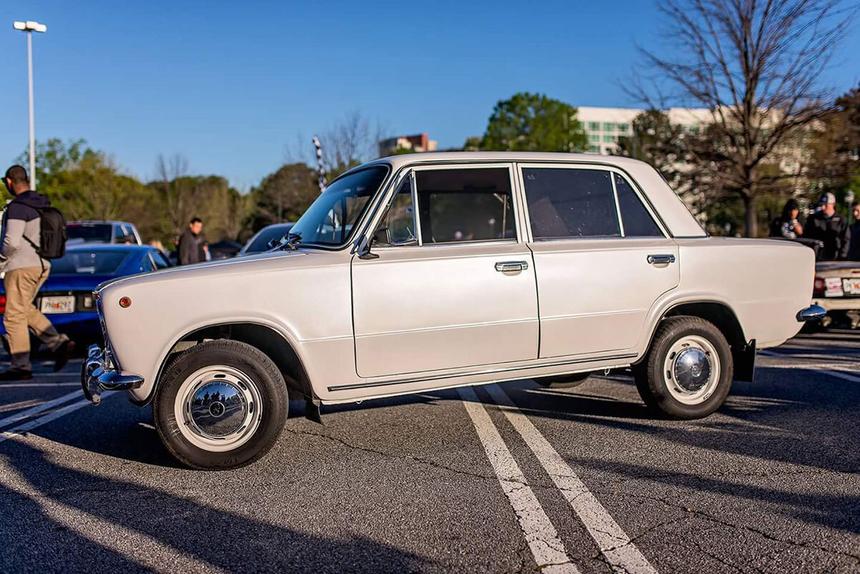
In Soviet times, a personal car was a luxury, andnot just a means of transportation, as it is today. Therefore, the machines were handled very carefully. In addition, in Soviet times it was impossible to take a loan for a car, that is, there was only one way out: to save. An inexpensive model cost 3500-5500 rubles, and the average salary was a little more than 200 rubles. And even if a person collected the required amount, he had to wait a long time for his turn.
In addition, get spare parts for cars inThe USSR was hard, and sometimes impossible. So, until the 1980s, only all-season tires were sold. Some drivers who had two sets of tires changed them depending on the season. And the fact that there are special winter tires, people learned only in the 80s.
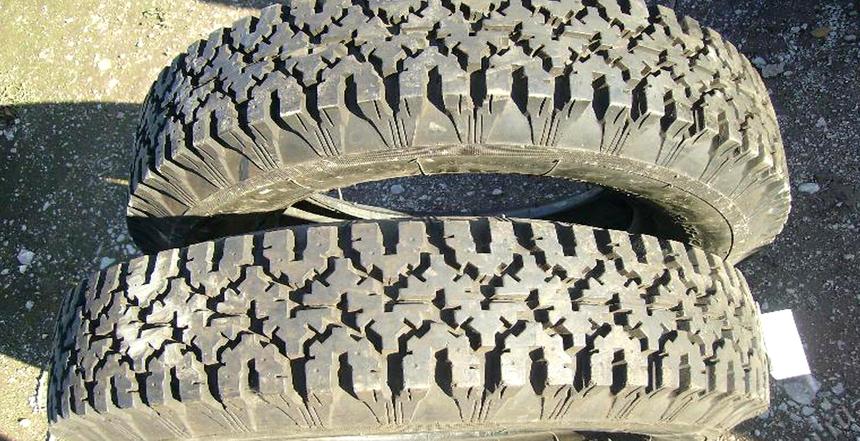
The very first winter tire became known as the "snowflake" because of its pattern.The disadvantages of such tires are excessive rigidity (so it was installed only on the drive axle of rear-wheel drive cars), strong noise when driving, poor handling on ice.There were also imported models of such tires, but they were imported into the country in very limited quantities.
Also, the characteristics of Soviet cars are notwere especially outstanding. And the drivers themselves tried to drive carefully and slowly. Driving was taught longer, better, and many drivers also drove state transport. We must not forget that in principle there were fewer cars, therefore traffic jams did not form. All this allowed many drivers in the USSR to drive quite successfully on the same set of tires both in winter and in summer.