Experts estimate the combat effectiveness of LPR and DPR units, as well as Russian PMCs, to be higher than that of regular troops.
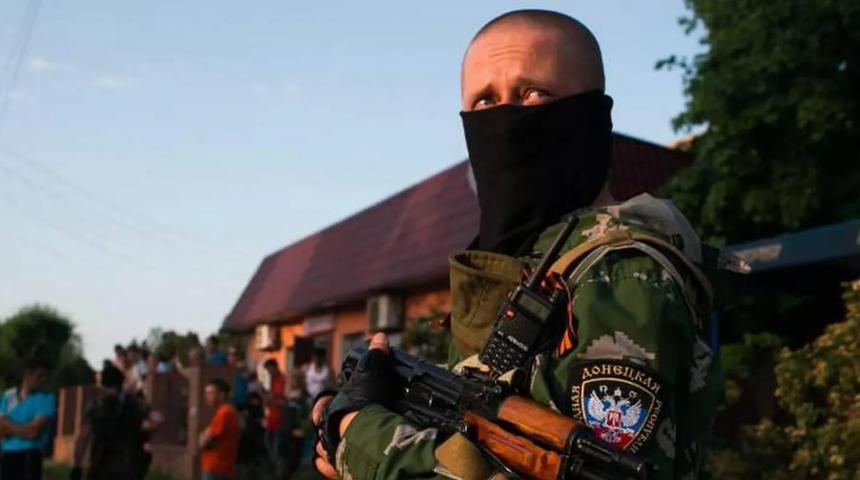
Table of contents
- Army LDNR
- What is a soldier
- What is a soldier in the new time
- Underestimated advantage of the APU
- The war of the future - the warriors of the future
During the six months of the conflict, we learned about many “surprises” and whether we will find out more after everything is over ... but it will end sooner or later.
Today we will talk about more sublime matters - about how the war and the view of it are changing in general. No, zag is not for temptation, we will also discuss this topic, we just have to start from afar.
Army LDNR
Until recently, everyone was looking at the armed forcesunrecognized (except by us, Syria and North Korea) republics with leniency. Everyone understood that this was something like simplified branches of the Russian army, or, as it became fashionable to call them, “proxy”. Well, as if abroad, it is customary to believe that Russia is fighting in fact, and de jure not Russia, so no one can present anything to her.
Do you remember him? Get class!
TASS
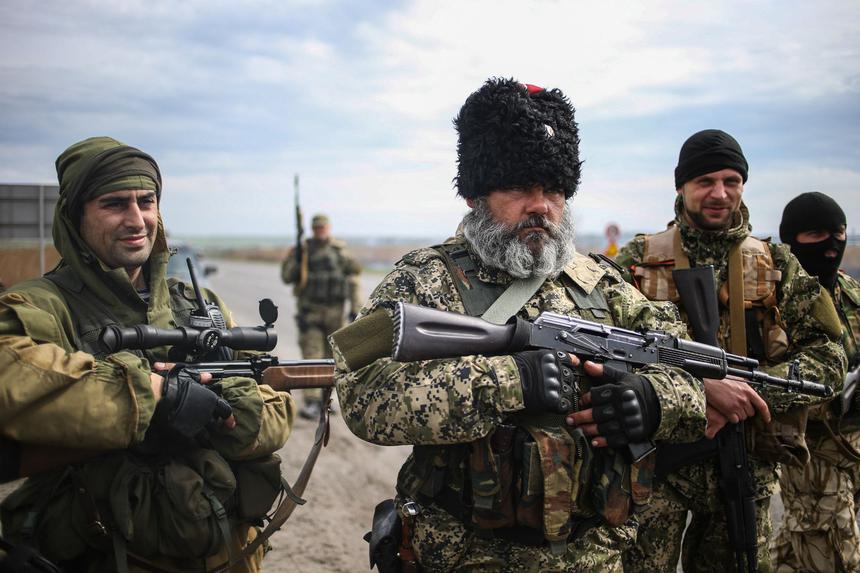
The armies of the LPR and DPR seemed like a wild mixture of Cossacks,reenactors, bored guards from Pyaterochka and other interesting personalities. From the names of the battalions "Sparta", "Somalia" and "Ghost" it was either the Makhnovshchina, or a party of football fans. Well, really, what other nafig ghost, what Somalia?
Some people really believed that thisthe geniuses of the war revealed due to the occasion, others chuckled and claimed that the guys from the GRU and the like were fighting there, and in the frames on TV only “clowns” flickered for the entertainment of an unpretentious public. The truth, as usual, is not there, and not there ... but who knows where.
Now, even experts from the Ukrainian side, no, no, and they will mark the LDNR. That, they say, these are the warriors - that's where they had to tinker, or where the LDNR advanced, there were the most difficult battles.

The commander of the "Ghost" brigade Cerebral
And here comes a certain dissonance - even insideRussia believes that these are all spontaneous armies, whose supply and equipment rests on trophies and volunteers, or whatever they throw from the Russian Federation. What is it all like to guard the line of contact with the Ukrainians. But when the guys from the Airborne Forces, DSHB, GRU, MTR, OBKhSS, KEK, LOL and other abbreviations appear, the “real” war will start. But in practice, everything happened a little differently.
What is a soldier
Now let's move away from the agenda, until Comrade Major took us on a pencil for seditious lines, and plunge into the history of terminology.
"Warrior" and "soldier" are very different terms. And when we pronounce them, they also cause different associations:
- Warrior - courage, strength, initiative, skills.They don’t become warriors after receiving a summons from the military registration and enlistment office, this is a life path that they embark on consciously. A warrior is a professional, or at least a highly motivated person to fight. And it doesn’t matter whether it was for money, because of adventurism, revenge, or just pressed down so that there was no choice left.
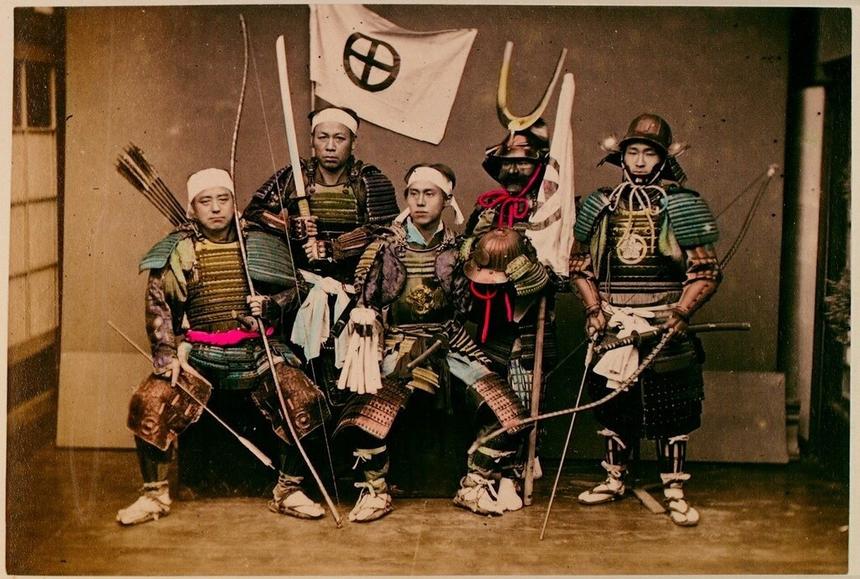
The ronin and samurai of ancient Japan are some of the clearest examples of the term “warriors.”
- Soldier - duty, discipline, subordination, order.The word “soldier” came to us from Italy; historically it means… “fighting for money,” but today we mean by soldier a person who is part of an organized army.
Of course it's okay to call soldiers in a warwarriors, but note - Genghis Khan, Attila or Dmitry Donskoy did not lead the soldiers, they led the soldiers. By the term "soldier" we mean regular army servicemen, that is, recruited by a sovereign country according to the laws of this country, in one way or another - conscription or hiring.
However, this does not mean that warriors are a must.semi-bandits or a chaotic crowd. The discipline of the same Genghis Khan was, frankly, very tough. And the soldiers - this does not mean that order is necessary. There are a lot of examples when regular regiments got out of control, and they freaked out such that they had to be taken under control by force by their own troops.
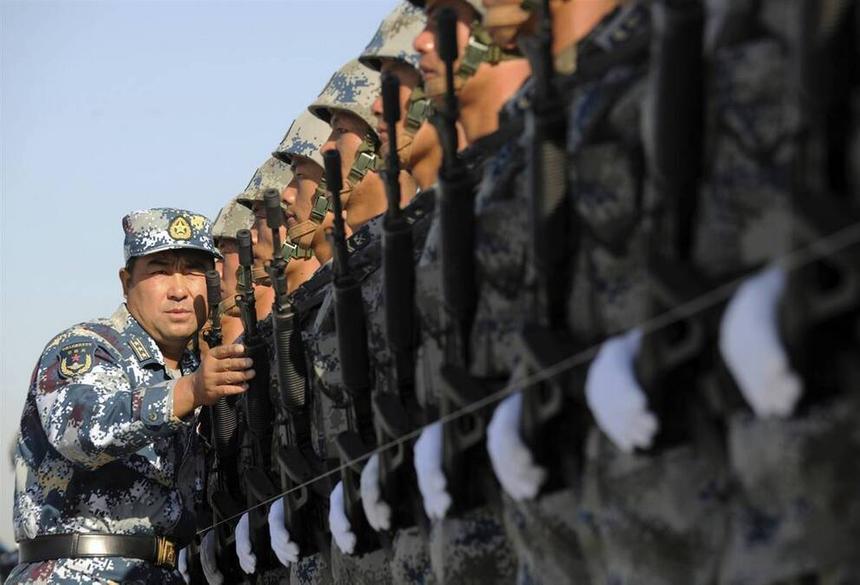
Soldier's life is overgrown with a mass of rituals and attributes unrelated to war, they serve to maintain discipline and depersonalize in the mass
The important difference here is that soldiers become either out of necessity or against their will, but being a warrior is a privilege or a personal choice and a difficult path.
What is a soldier in the new time
With the transformation of the army into a complex, multi-component and multi-level mechanism, the warriors were out of place. “A soldier is a mechanism provided for by the article,” Emperor Paul used to say, and he fumbled in this.
A soldier - he doesn’t seem to be at war, he worksat war. He has a clear specialty, which clearly indicates his place - you are driving a tractor with a pontoon, and you are directing this pontoon across the river, and you are crossing the pontoon with a machine gun and digging in there, and you bring him cartridges, and you bring him food , and you command him, and you reconnoiter the location of the enemy for him, etc.
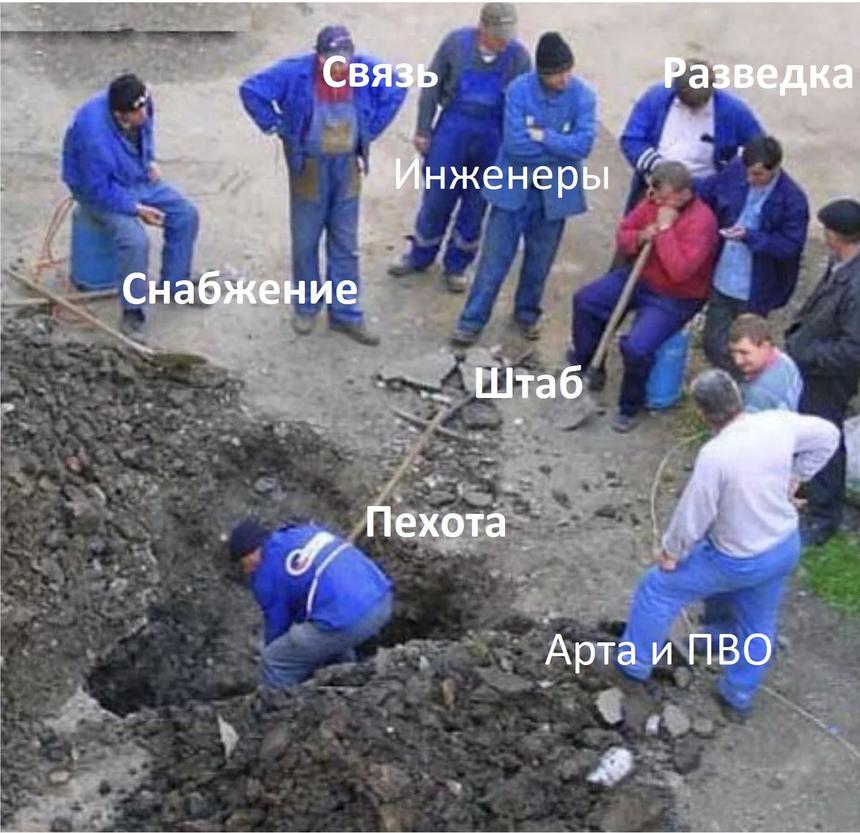
War through the eyes of infantry Vanya
mil.ru
A warrior in such a war, with his initiative, withdesire and need to delve into the situation, into all the subtleties, what the hell didn’t hit anyone - he’s garbage that got into the mechanism. Well, a vivid example of the First and Second World Wars proved this.
But the era of regular armies also showed that you can’t do without soldiers, so they created separate niches for them - special forces. Spetsnaz in a broad sense differs from the environment of the rest of the army:
-
A moral bond in the team, instead of all sorts of hazing with lawlessness from an excess of free time
-
Real professionalism instead of a tick in the statement
-
Selection or competition for a place, and not a military commissar who drags a conscript almost on a lasso

No one will rake you into the special forces from the street, you yourself will compete for a place
Wars after the Second World War, or how we deal with themOver time, they began to call them “local wars” or “asymmetric conflicts”, more and more they showed that professionalism is more important than the number of pieces of iron and the attendants for them.
This is well shown in the film "Apocalypse Now", where, among other things, the theme of the difference between a warrior and a soldier, and the inability of the latter to win this war, runs like a red thread.
Therefore, in the advanced armies everything is clearerthe division of the army, or rather the allocation of a special core within it, which receives the formal or unspoken status of the elite. In this case, not only paratroopers or saboteurs become this very elite, but also elite motorized infantry, artillery and all other "ordinary" troops appear.
An excellent old video of a military instructor about the Telemark battalion
Motorized infantry battalion "Telemark" in the armyNorway, the selection to which is comparable to the surrender of a maroon beret, the Iron Wolf brigade of the Lithuanian army, equipped in the first class, which you do not expect from such a country. Well, or the Princess Priscilla Light Infantry Regiment in the Canadian Army, which consistently does not miss missions to hot spots.
There is a motorized infantry battalion, and there is Telemark. There is the No. 1 mechanized brigade, and there is the Iron Wolf. Well, you get the point.
Underestimated advantage of the APU
The problem of local conflicts turned out to bethe inability of multi-star generals to win them... almost all known to us have been lost by regular armies. But in Ukraine it's a different matter, there is a front line, missiles fly from both sides, hundreds of tanks, cruisers sink. This, finally, is the conflict where the Zhukovs and Mansteins rule the ball, and not scumbags with painted muzzles.
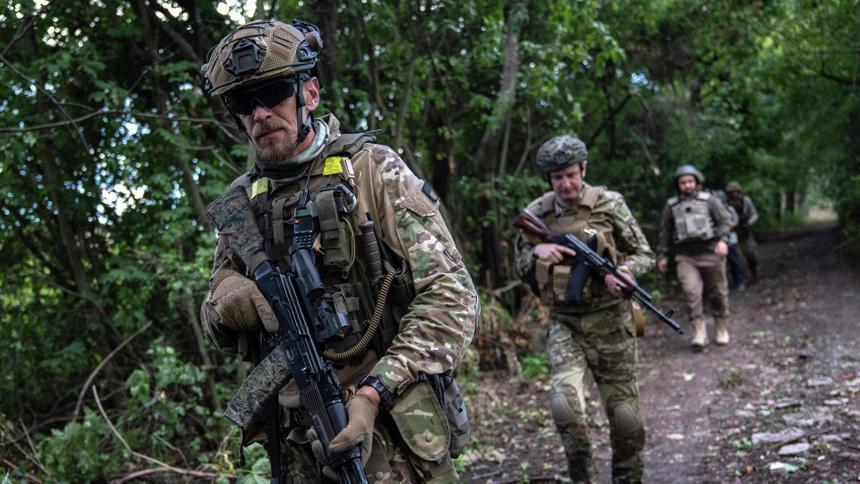
Permission to wear a beard in the Ukrainian army was an important step away from the post-Soviet legacy. In most NATO armies, beards are allowed. Why? The topic of a separate article
© AP Photo / Evgeniy Maloletka
But here it is important to pay attention to 2014-2015.Yes, the LDNR armies look like a gathering of enthusiasts in them. But the Ukrainian army at that time turned out to be a little better. Many units, for lack of equipment, had to turn trucks and pickups into carts. To get ancient infantry fighting vehicles from storage, clean off rust from the T-64 and mount something similar to modern FCS there.
Then, in parallel, the army began to cultivatefamous national battalions, whose names you yourself know. At first, these were voluntary structures, and after 2015, a strict selection appeared in them. The reform of the Armed Forces of Ukraine was directed, among other things, to the smallest tactical link, giving priority to motivated volunteers.
It's simple - do not interfere with those who wish, do not mess with those who do not want to.
Yes, yes, laugh in the comments at the "kakla" and the old junk that NATO fuses them, because it's a pity to throw them away - we've been fighting with them for six months, and this is about something, and it says.
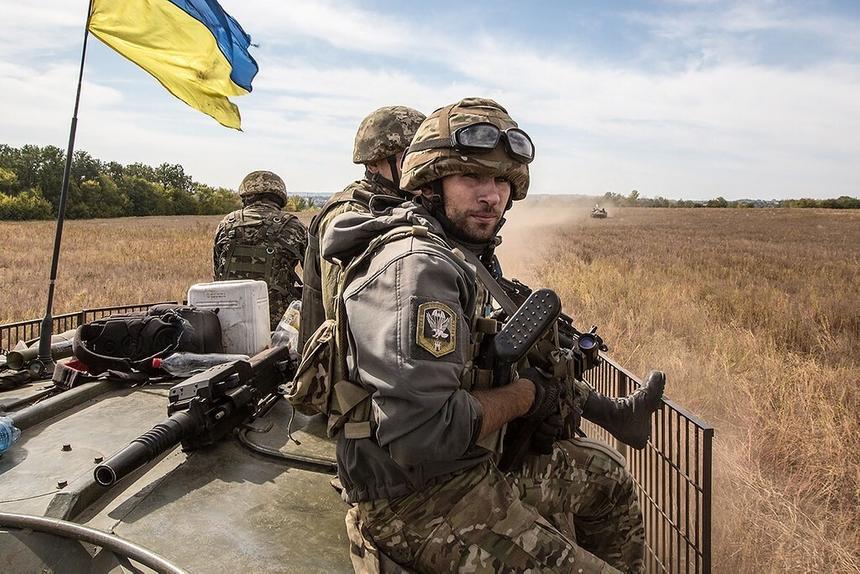
Soviet weapons may well be combined with a British helmet in the Armed Forces of Ukraine
This allowed the Ukrainians, even at the most difficult moment, to send thousands of soldiers to training bases in Europe - they have enough fighters hardened in the 10s to hold the front.
The war of the future - the warriors of the future
The part of the conflict that unfolded onDonbass has turned into a vendetta between Ukrainians and the LDNR, which has gradually grown out of a split in the country along the line of language and mentality. The armies of the LDNR in their professional core (we take into account only them, because there are huge questions about the state of the mobilized units) consist of commanders from 2014-2015, who have vast real combat experience in this theater, this landscape and with this particular enemy.
The fighters of these units, if not entirely, butsignificantly, are made up of volunteers. Including from the Russian Federation and other countries, who have learned well to counteract the tactics of Ukrainians who know their equipment and strengths. Under the circumstances, there was no one to build Potemkin villages for - the result is needed here and now.
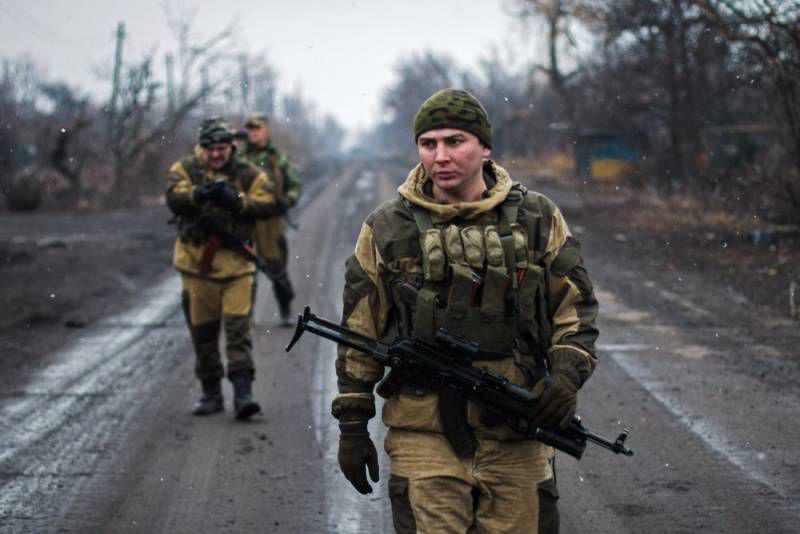
Being externally similar to the army of the Russian Federation, the forces of the LDNR have a mass of less noticeable own specifics
Both sides showed a lot of ingenuity due to theirpoverty, which resulted in techniques that differ from even Soviet instructions. They have long appreciated the importance of drones, heatpacks and modern first-aid kits. Unfired fighters from the Russian Airborne Forces and motorized riflemen turned out to be very new, they had to learn and retrain on the spot.
The effectiveness of the actions of the regular units of the LDNR is compared with semi-official PMCs. And they have a lot in common, except, of course, salaries. And the Russian side has to learn the new term "500s".
From the circumstances, it is clear that therewhere there is more initiative, thugs fighting on the drive, and trained in war not for show and not afterthought - there the results are different, even in comparison with the second army of the world.
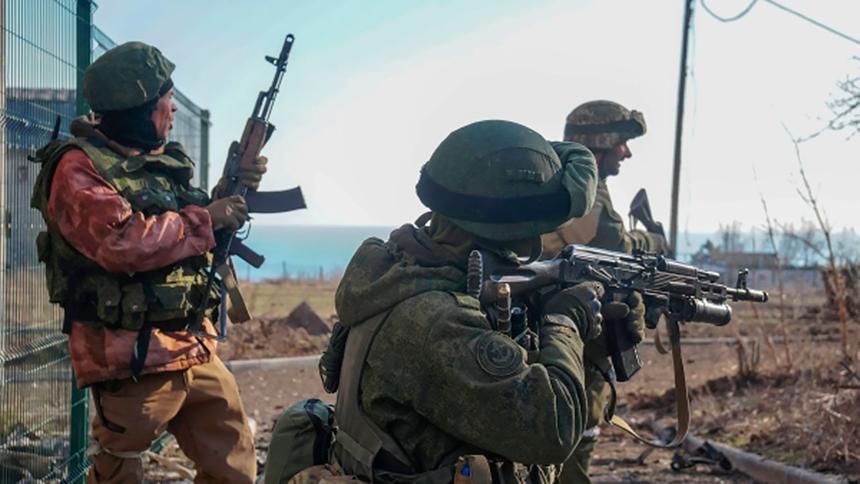
DNR soldiers in battle
tvzvezda.ru
Modern warfare requires personalities.Not necessarily bright and good people, but self-aware individuals who want to get real results here and now. The task of the states is to separate these people, take them under control and not interfere with their self-fulfillment. Because the corrupt and bureaucratic war machines of the superpowers in the past are a funnel that devours budget money and sells air in peacetime.