Experts conducted a study and confirmed: older people, as a rule, use an emoticon with
Differences in emoji understanding were identified duringSlack research. The company surveyed 9,400 office workers around the world. “The results of our study are very clear – be careful when communicating via emoji with people of different generations,” Slack noted.
Thus, about a third of people under 40 believe thatEmoji peach is inappropriate to use in correspondence with colleagues. But more than 59% of older people do not see any sexual message in this emoji. The same goes for the eggplant emoji. 47% of older users see it as nothing but a vegetable.

 12
12
Even in the understanding of the most popular emoji -smiling face - there is a difference. About a third of Gen Zers use it to express annoyance, and 60% of those over 40 use it simply to show joy.
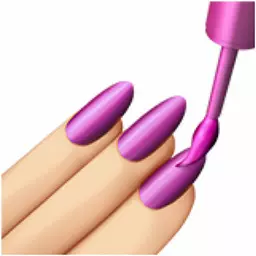
One of the most confusing emoji is the marigold.The younger generation refers to them as something like “gossip”, but people aged 25-40 interpret it as a symbol of “taking care of myself”. Most people 40+ have no idea what that means.