The study found that when mice had CRTC1 removed, they began to gain weight. Scientists have concluded that
CREB-regulated transcription coactivator 1(CRTC1) is a protein encoded by the CRTC1 gene in humans. It was found in the brain and liver of the fetus, as well as in the heart, skeletal muscles, liver, salivary glands and numerous parts of the central nervous system in adults.
Professor Shigenobu Matsumura from the Graduate Schoolhuman life and ecology and his research group studied how CRTC1 suppresses the mechanism of obesity. They focused on neurons expressing the melanocortin 4 receptor (MC4R).
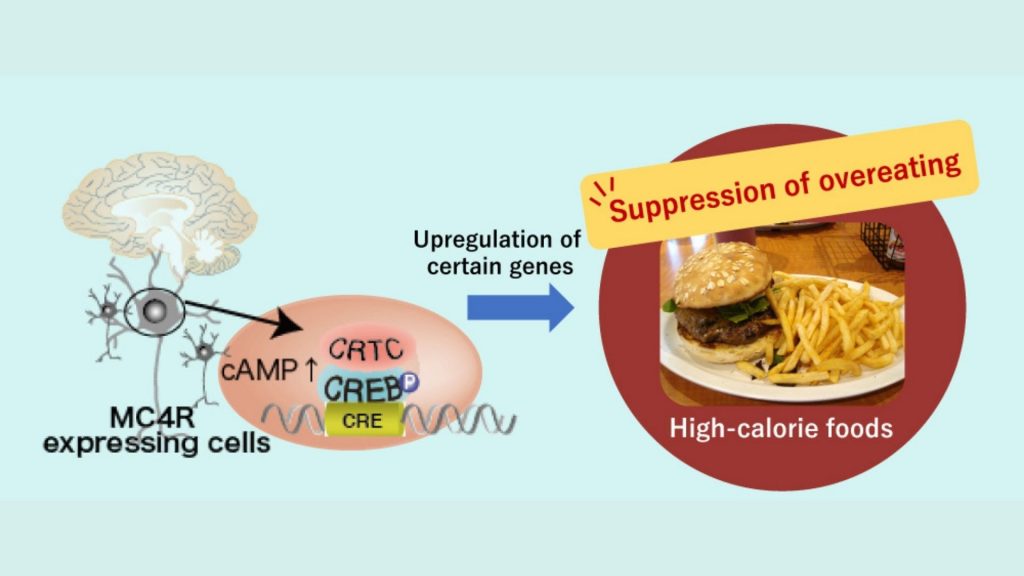 RTC1 mediates the obesity-inhibiting effects of the melanocortin-4 receptor (MC4R).
Illustration: Osaka Metropolitan University
Mutations in the MC4R gene are known to causeobesity, so scientists hypothesized that expressing CRTC1 in neurons expressing MC4R would reduce obesity. They studied the effect of CRTC1 loss on obesity and diabetes in special mice.
It turned out that animals lacking CRTC1neurons expressing MC4R did not differ from control mice in body weight on a normal diet. However, when CRTC1-deficient mice were raised on a high-fat diet, they overfed, then became significantly more obese than control mice and developed diabetes.
Read more:
The tomb of the “midwife of Jesus” was unearthed: scientists told what they found there
Einstein is wrong again and his main theory was rewritten: how it changes the world
Published test video of the world's first propeller with 11 blades