Print one house in 24 hours or make a rocket in 60 days. A 3D printer can repeat all the same things even on
Print a district or a whole village
This method of building houses was tested inMexico, where buildings for an entire village were made using one 3D printer. This housing was created specifically for low-income families. According to the project organizers, the structures were specially made earthquake-resistant and have already survived an earthquake.
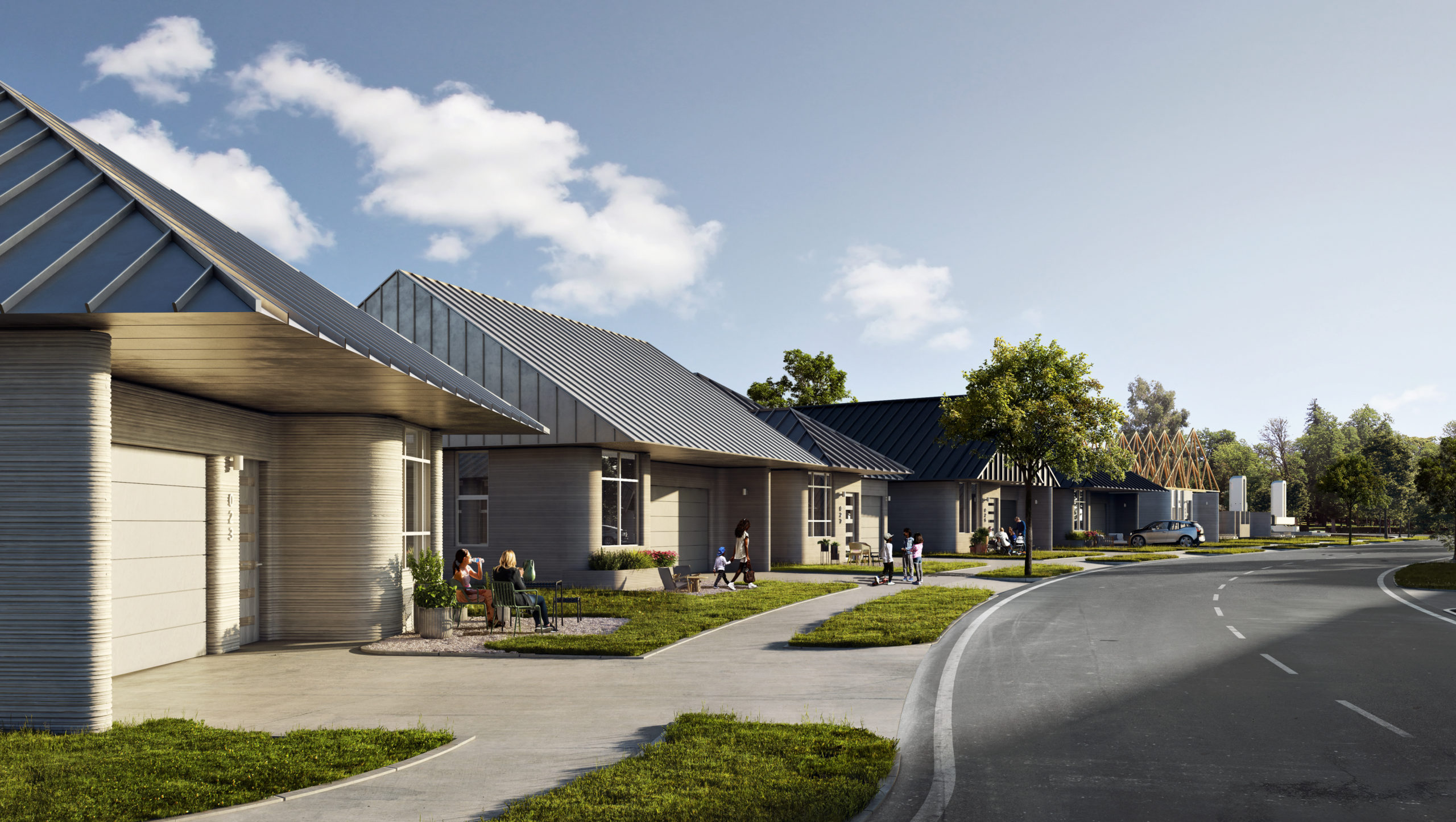
A similar project was launched in Texas, whereare going to create the world's largest printed district. The state plans to build 100 houses using a 3D printer. One building is designed for one family. Solar panels will be installed on the roof to reduce electricity consumption.
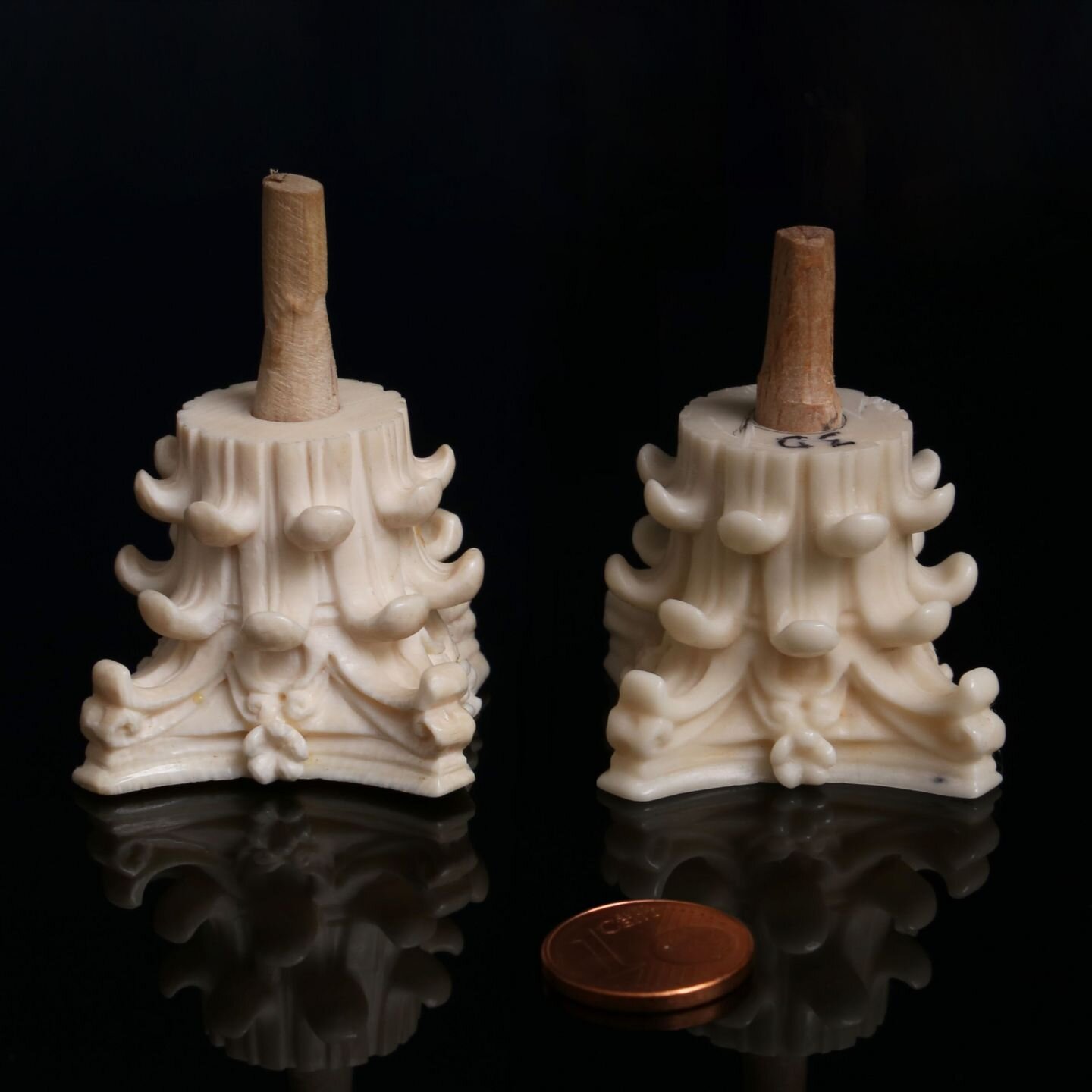
Ivory 2.0 on a 3D printer
Scientists from Austria have come up with a way to replaceivory. This is an important invention because ivory has long been used to create works of art, but in 1989 the sale of materials made from it was banned. Accordingly, the restoration of such crafts was also questionable. To restore them, bones, shells or plastic were used, but these are inferior and low-quality replacements.
Therefore, the researchers created the material "digoria",which is made of synthetic resin and calcium phosphate particles. First, it is processed in a red-hot state, and then tempered in a 3D printer with ultraviolet rays already in a certain figure. After that, it is polished and the desired color is selected.
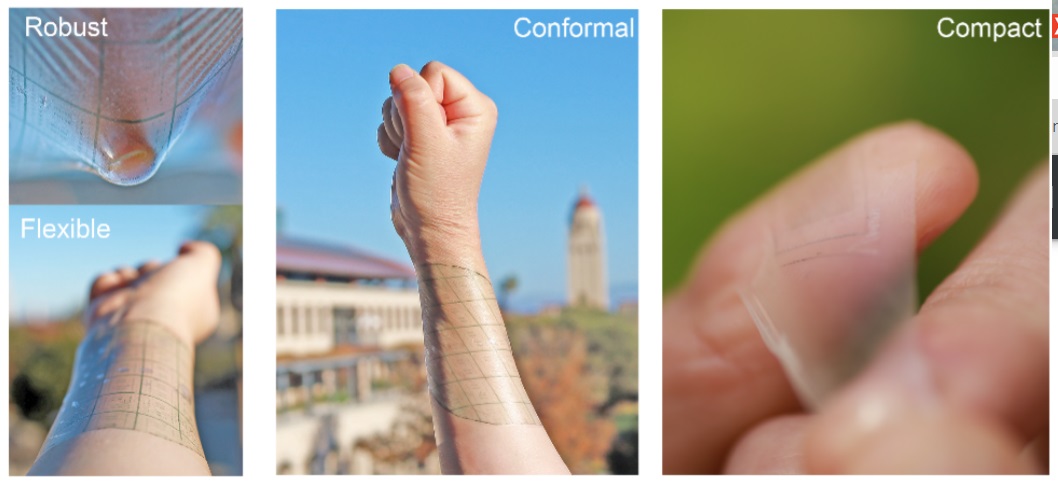
Create artificial skin for wearable sensors
For continuous health monitoring you needhigh-quality sensors that will not crack or delaminate during operation. Therefore, scientists from Stanford University made artificial skin on a 3D printer that can stretch. You can install the necessary sensors or wires on it to monitor the patient’s condition.
On 1 cm² of artificial leather there are more than 40thousand transistors: scientists have announced that they are going to increase their number to 1 billion. In this case, a simple circuit or wearable sensor for implantable bioelectronics can be made from artificial skin.
You can make yourself lunch on a 3D printer
Israeli startup Redefine Meat has created its ownA unique way to print meat on a 3D printer. Today, producers of eco-minced meat can relatively completely reproduce the taste of meat, but they do not replicate its appearance, color and external features.
According to the founder of the startup, in artificialIn meat, not only the taste is important, but also its texture, which should be close to natural. The 3D printer used by Redefine Meat can print three different three-dimensional elements that look like muscle, fat and blood.
Each piece of meat contains several million of these elements. Depending on their ratio and sequence, you can make a tenderloin, ribeye and different types of steaks.

Print Reusable Rocket
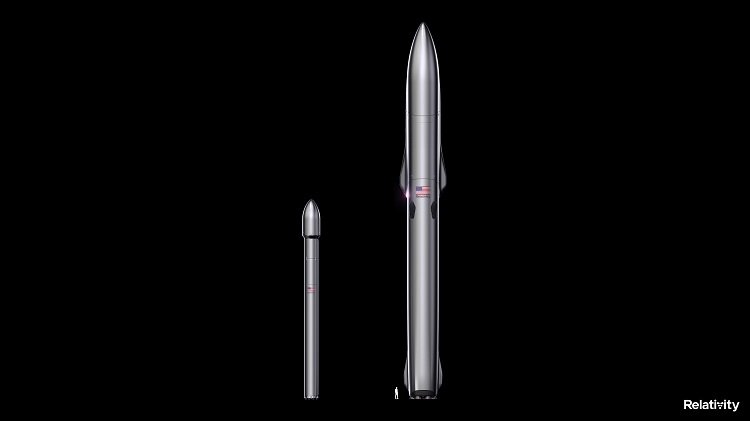
The US company Relativity Space is going toIn 2024, the Terran R rocket, created on a 3D printer, will be launched into space for the first time. The engine, which is also printed, is fueled with methane. Thanks to this, the design uses 100 times fewer parts compared to analogues.
Almost 95% of Terran R is printed, and the remaining 5%account for electronics, seals and some other elements. The rocket is 35 m high and 2.3 m wide. The amount of payload that can be launched into orbit is 1,250 kg.
The time to create one rocket is about two months. So far, the first sample has successfully passed all ground tests.
Do everything the same, but only in space
A 3D printer is a versatile thing, so itsare going to be used during space missions. Researchers from NASA are testing a new 3D printer that can print materials from regolith under the conditions of the moon.
If the experiment is successful, the ISS crew will test the strength of the resulting material to see if it can withstand conditions outside Earth.
In the future, scientists want to organize printingall necessary items on any cosmic bodies. This will help reduce the amount of construction materials that will be sent to the Moon and Mars during planned colonization.
Each of the applications collected here3D printers sound a little fantastic, but they all solve completely different and important problems. Artificial meat will help reduce greenhouse gas emissions from livestock, ivory is used to restore crafts and, we hope, it will help reduce the number of poachers, printed houses will become inexpensive and high-quality housing for low-income families, and a 3D-printed reusable rocket will fly into space and will help scientists make new discoveries.
Read more:
Impossible to imagine: what are the largest objects in the universe and where they are
The new accelerator accelerates satellites to 8,047 km / h and sends them into space. No rocket needed
Scientists conducted an experiment and found out how our behavior on Mars will change