The authors examined the fossilized eye bones of the skeleton in detail and found that the owl was active during the day, not at night.
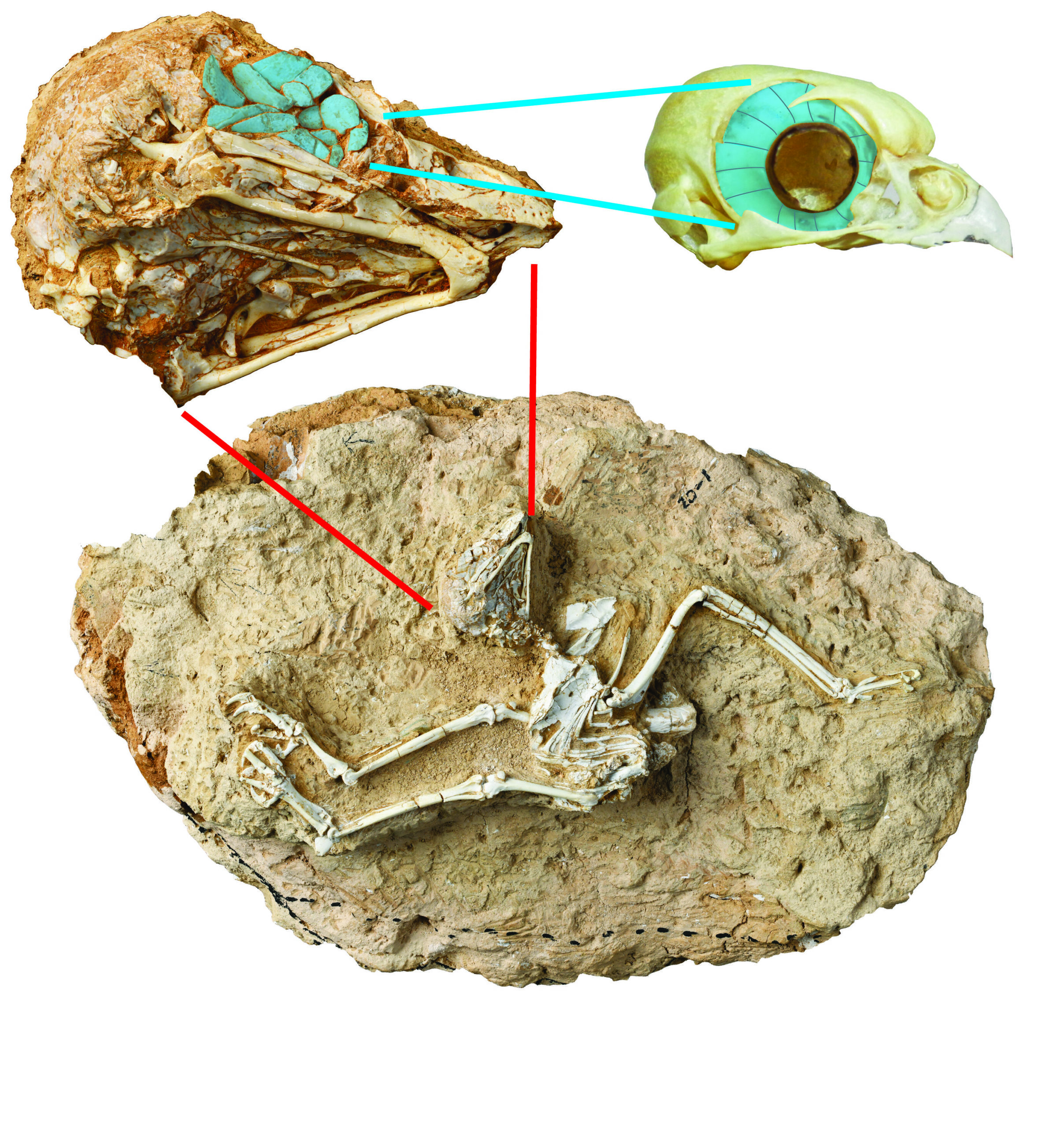
Almost the entire skeleton is preserved in the fossil, fromtip of the skull to the coccyx. Also left are body parts that are rarely found as fossils: bones of the articulatory apparatus, hyoid bone, trachea, patella, tendons, and even the remains of the last food eaten.
This extinct species is the first evidencethe fact that the ancient owl led a diurnal lifestyle. The researchers named the species Miosurnia diurna after another closely related species that lives on Earth today, the diurnal northern hawk owl (Surnia ulula). Skull and skeletal features, including a large bump on the part of the cheekbone just behind the eye, indicate that Miosurnia is part of the global Surniini owl group. They began to lead a diurnal lifestyle millions of years ago.
The owl's eyes are surprisingly well preserved, so we can understand that it preferred to sleep at night and be awake during the day.
Lee, doctor and first author of the study
Read more
The “fifth element” exists: a new experiment will confirm that information is material
Found the remains of political refugees from the Middle Ages: they were considered victims of the plague
Marine fungus recycles plastic in two weeks