Most of the mangrove forests along the Oman coast disappeared about 6,000 years ago. Still the reason for this
New research from the University of BonnGermany says the collapse of coastal ecosystems was caused by climate change. It is not a matter of falling sea levels or the influence of people, as previously thought.
It is noted that the rate of extinction of mangrovesthickets was amazing: many reserves were irretrievably lost within several decades. Mangrove trees occupy a special ecological niche: they grow in the so-called tidal range, that is, in coastal areas that are underwater at high tide and dry at low tide. Mangroves love warm climates; most species cannot tolerate sea surface temperatures below 24°C.
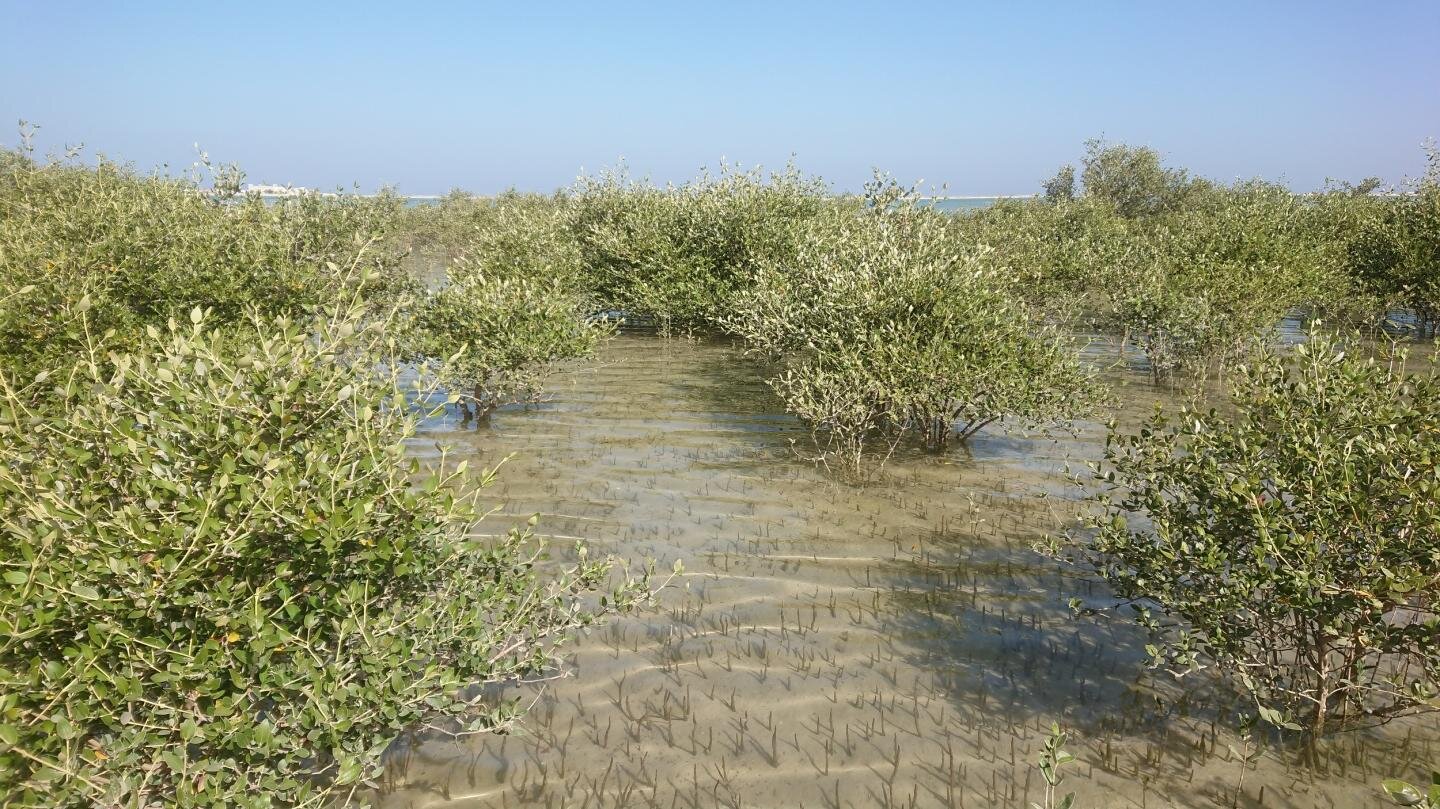
In order to find out the causes of mass deathtrees, scientists examined fossils, thanks to which it became known that there used to be many mangrove lagoons on the coast of Oman. However, about 6,000 years ago they suddenly almost completely disappeared. With the support of the scientific supervisor, Professor Gösta Hoffmann, the researchers combined numerous geochemical, sedimentological and archaeological findings into an overall picture. As a result, it turned out that the collapse of these ecosystems has climatic reasons.
The results now show that the changeclimate change had two effects: on the one hand, it caused soil salinization, on the other hand, the vegetation cover in the affected areas generally decreased due to drought. Mangrove ecosystems struggled up to a certain threshold and then disappeared for decades. Currently, the only mangroves in Oman are a very resilient species and are found in only a few places.
Read more:
Abortion and science: what will happen to the children who will give birth
See how the moon appeared. Ancient planet crashed into Earth
An artificial object was found in soil samples from the asteroid Ryugu. Like this?