The authors of the study stated that household wastewater discharges into coastal ecosystems annually.
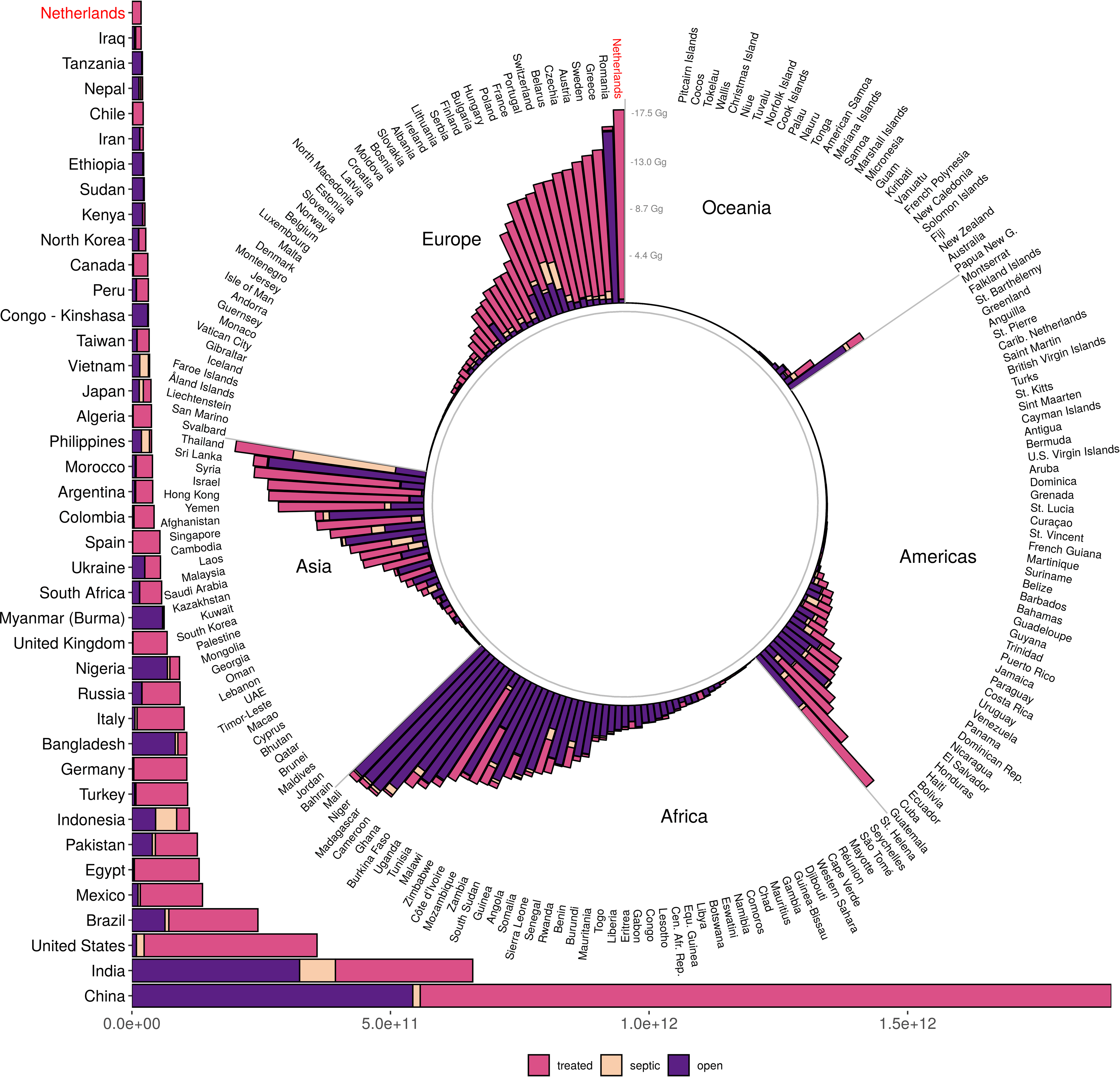
Almost half of this volume of nitrogen (46%) is 25catchments, which are mainly located in India, Korea and China, with the Yangtze in China accounting for 11% of the global catchment. Most of the wastewater around the world is treated, but despite this, they still remain problematic for some countries, for example, China, India and a number of African countries.
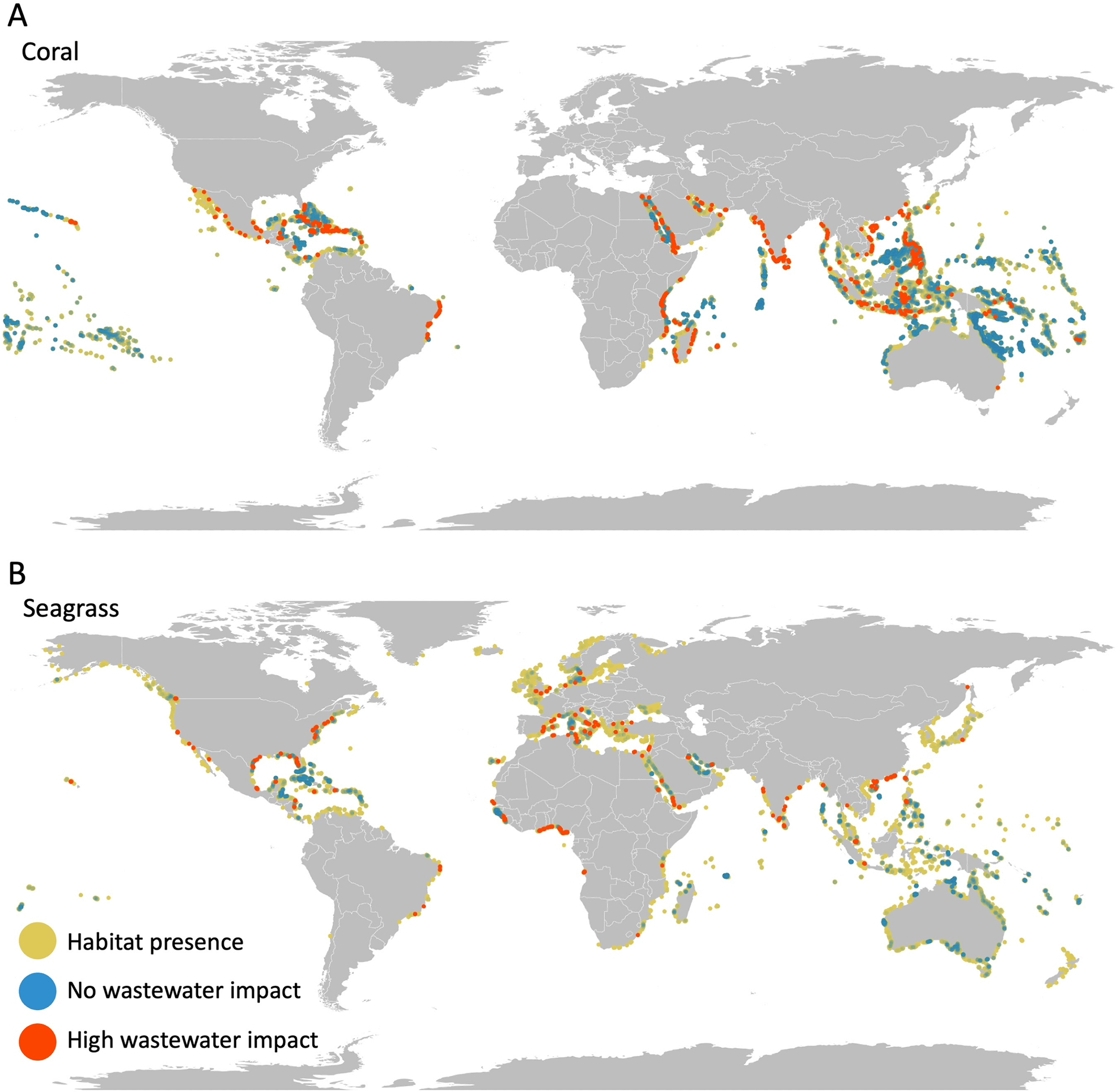
The authors in the new work decided to track howdischarges into watersheds affect nitrogen emissions and the introduction of various pathogens. They found that this process leads to more active algae blooms and, as a result, lowers oxygen levels in the water. The researchers used a new high-resolution geospatial model to measure and map nitrogen.
As a result, it turned out that of the totalWastewater 63% comes from sewerage systems, 5% from highly efficient or septic treatment systems and 32% directly. Also 58% of corals and 88% of algae are exposed to wastewater.
This can lead to cell decomposition.algae, which can deplete oxygen and kill fish. Wastewater also introduces substances such as herbicides and pesticides into the system, and of course plastics.
Research text
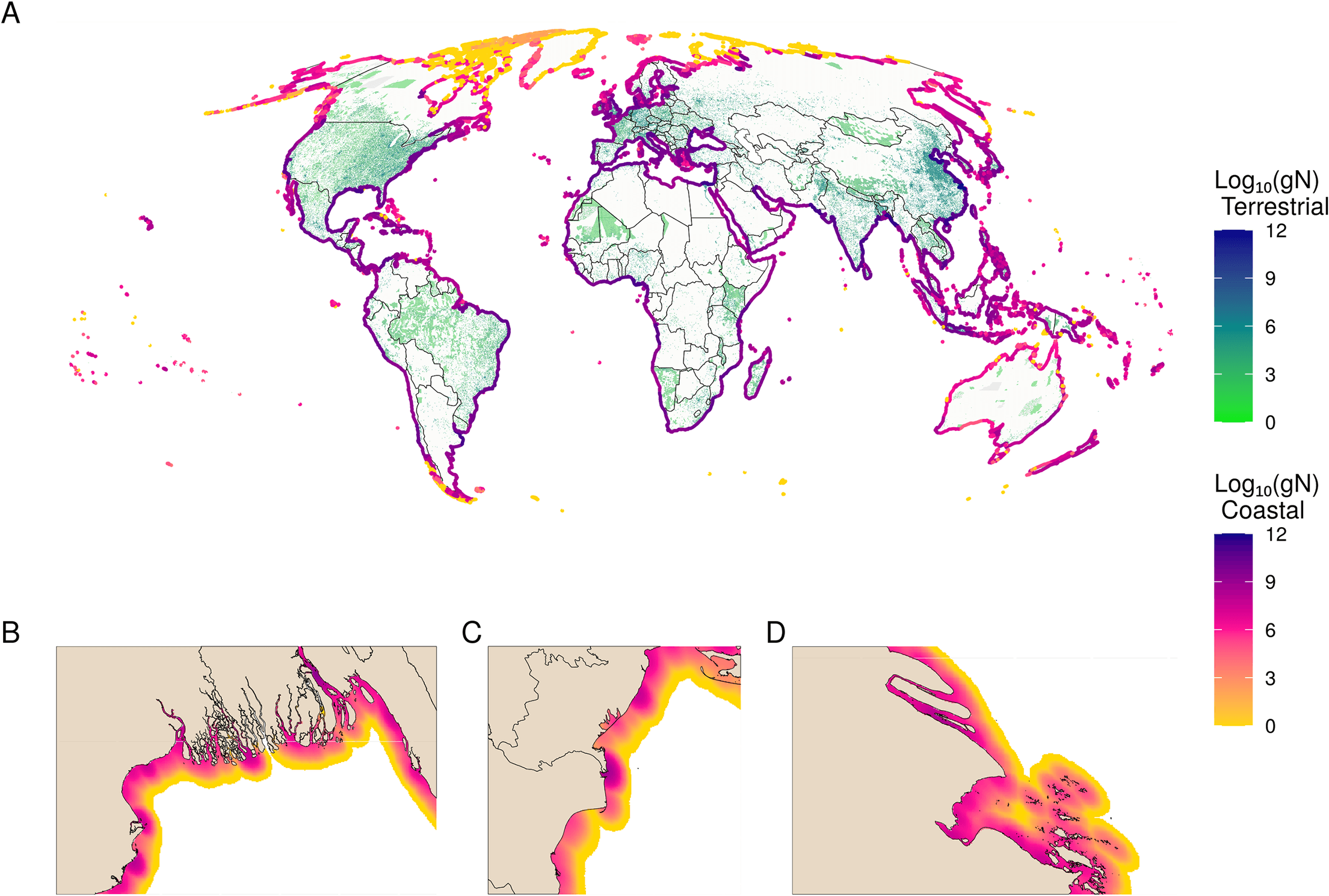
These consequences not only cause damagecoastal species and ecosystems, but also affect human health and economic activity. Previously, almost no studies have assessed the impact of wastewater on coastal ecosystems and public health, the authors note.
Read more:
Life on Mercury, closer to the Sun: a very bad or brilliant idea
Impossible to imagine: what are the largest objects in the universe and where they are
The mass death of people at the concert was explained using hydrodynamics