Mathematics in nature
The first ancient Greek philosophers tried to describe and explain the order of nature,
In 1202, Leonardo Fibonacci introduced the sequence of Fibonacci numbers to the Western world in his Book of Abacus. Fibonacci gave a (non-existent) biological examplenumerical growth of the theoretical rabbit population. In 1917, Darcy Thompson (1860–1948) published his book On Growth and Form. His description of the relationship between phyllotaxis (the arrangement of leaves on the stem of a plant) and Fibonacci numbers (the mathematical relationship between the patterns of spiral growth in plants) became classical.He showed that simple equations can describe all the seemingly complex patterns of spiral growth of animal horns and mollusk shells.
Thüring, Plato, Haeckel, Zeising – famous figures of art and science sought the strict laws of mathematics and found it in the beauty of nature.
The Fibonacci spiral is a geometric progression of beauty
Spirals are common among plants and someanimals, especially among mollusks. For example, in nautilid mollusks, each cell of their shell is an approximate copy of the next, scaled by a constant and laid out in a logarithmic spiral.

Most often found in natureFibonacci sequence. It starts with the numbers 1 and 1, and then each subsequent number is obtained by adding the previous two numbers. Therefore, after 1 and 1, the next number is 2 (1 + 1). The next number is 3 (1 + 2), then 5 (2 + 3) and so on.

Spirals in plants are observed in the arrangementleaves on the stem, as well as in the structure of the bud and seeds of a flower - for example, in a sunflower or the structure of the fruit of pineapple and herring. The Fibonacci sequence can also be seen in a pine cone, where a huge number of spirals are arranged clockwise and counterclockwise. These mechanisms are explained in different ways - by mathematics, physics, chemistry, biology. Each of the explanations is correct in itself, but it is necessary to take them all into account.
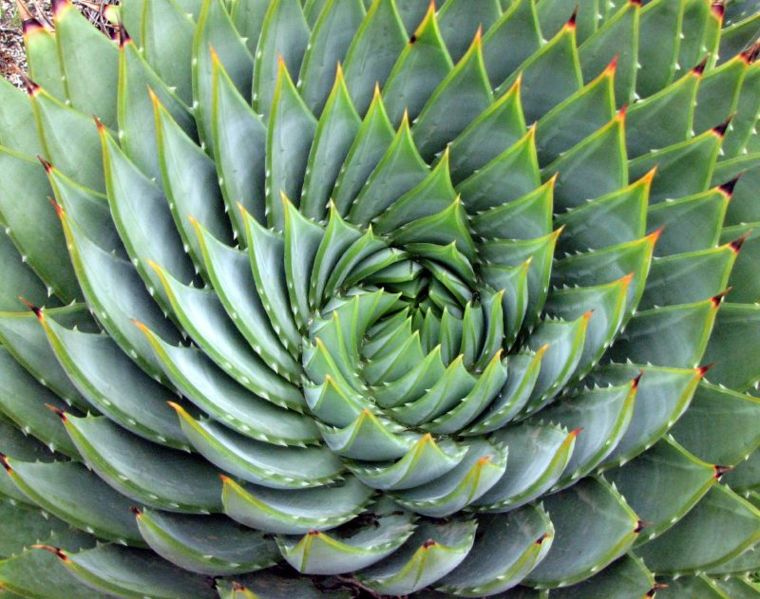
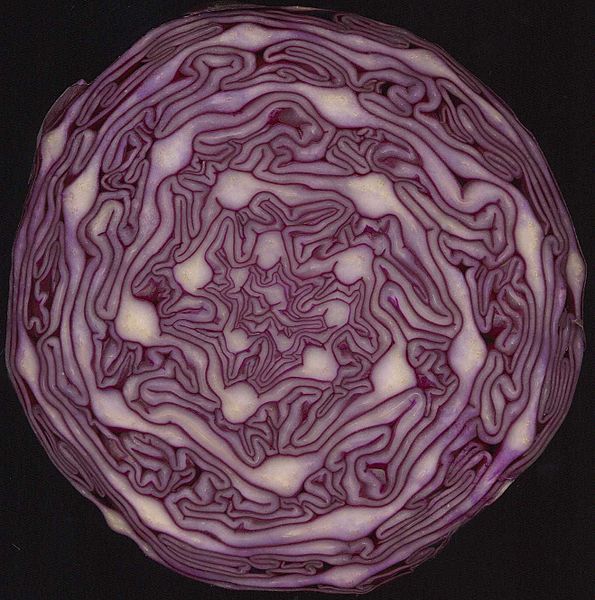
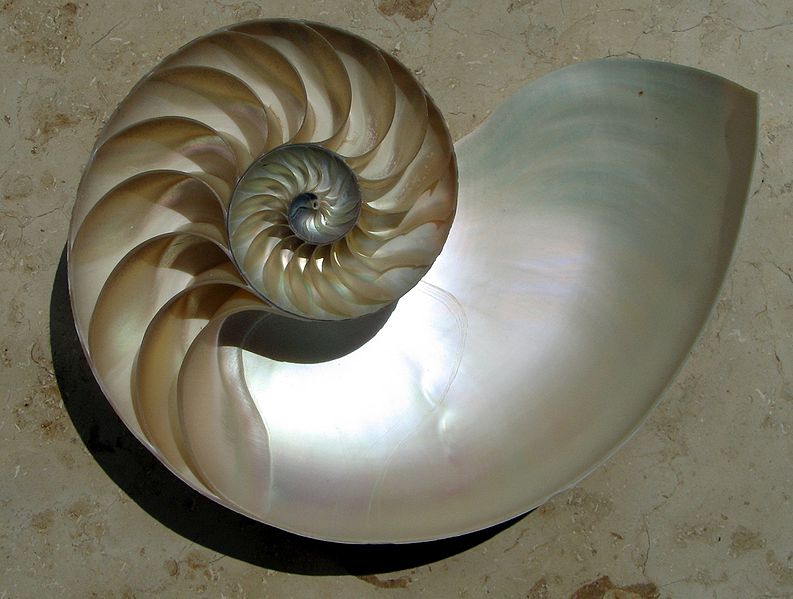
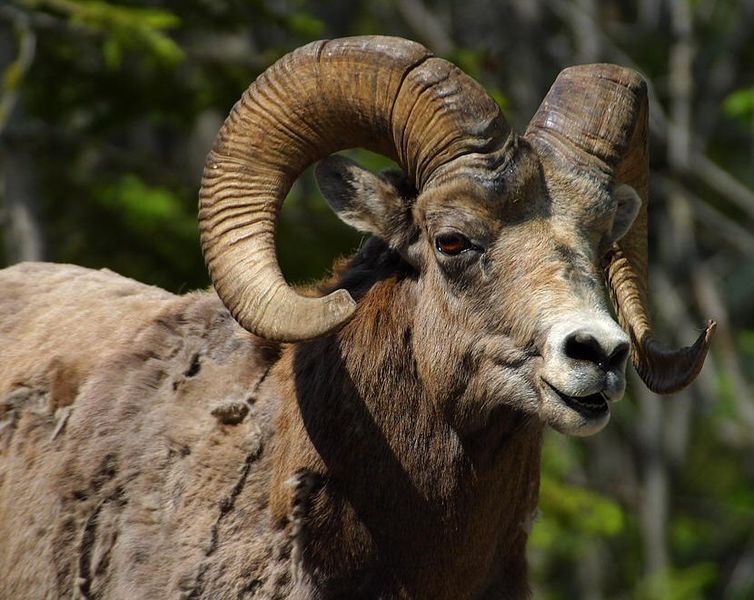
Physically, spirals are configurationslow energies that arise spontaneously through self-organization of processes in dynamic systems. From the point of view of chemistry, a helix can be formed by a reaction-diffusion process involving both activation and inhibition. Phyllotaxis is controlled by proteins that control the concentration of the plant hormone auxin, which activates middle stem growth, along with other mechanisms to control the relative angle of the bud to stem. Biologically, leaves are spaced as far apart as natural selection allows, as it maximizes access to resources, especially sunlight, for photosynthesis.
Fractals - endless (almost) repetition
Fractals are another interestinga mathematical form that everyone has seen in nature. The Fractal itself is a self-similar repeating shape, which means that the same basic shape appears again and again.
In other words, if you zoom in or out, the same thing will be visible everywhere.
These self-similar cyclic mathematical structures, which have a fractal dimension, are quite common, especially among plants. The most famous example is the fern.
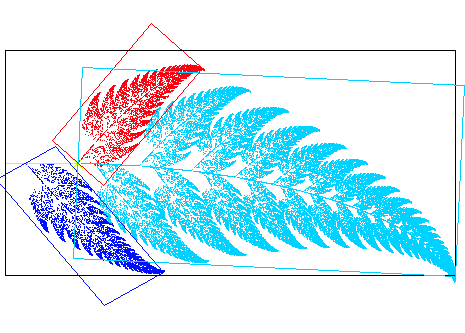 Fern leaves are a typical example of a self-repeating row.
By the way, infinite repetition is impossible innature, therefore all fractal patterns are only approximations (approximations). For example, the leaves of ferns and some umbelliferous plants (for example, caraway) are self-similar up to the second, third or fourth level.
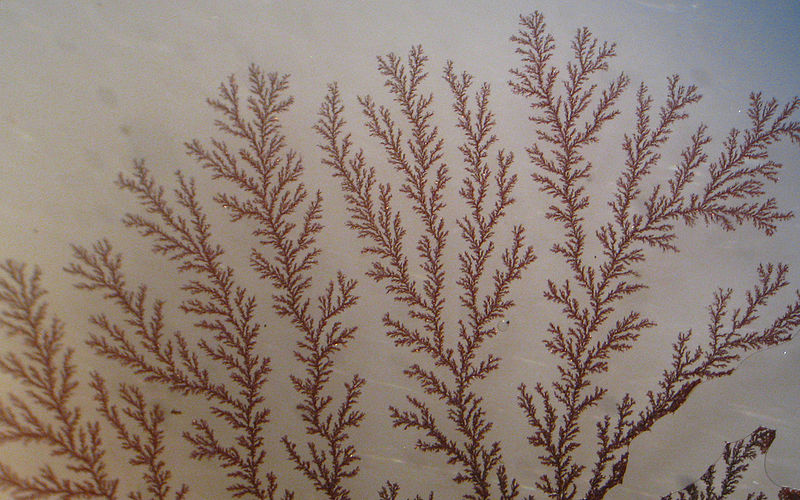
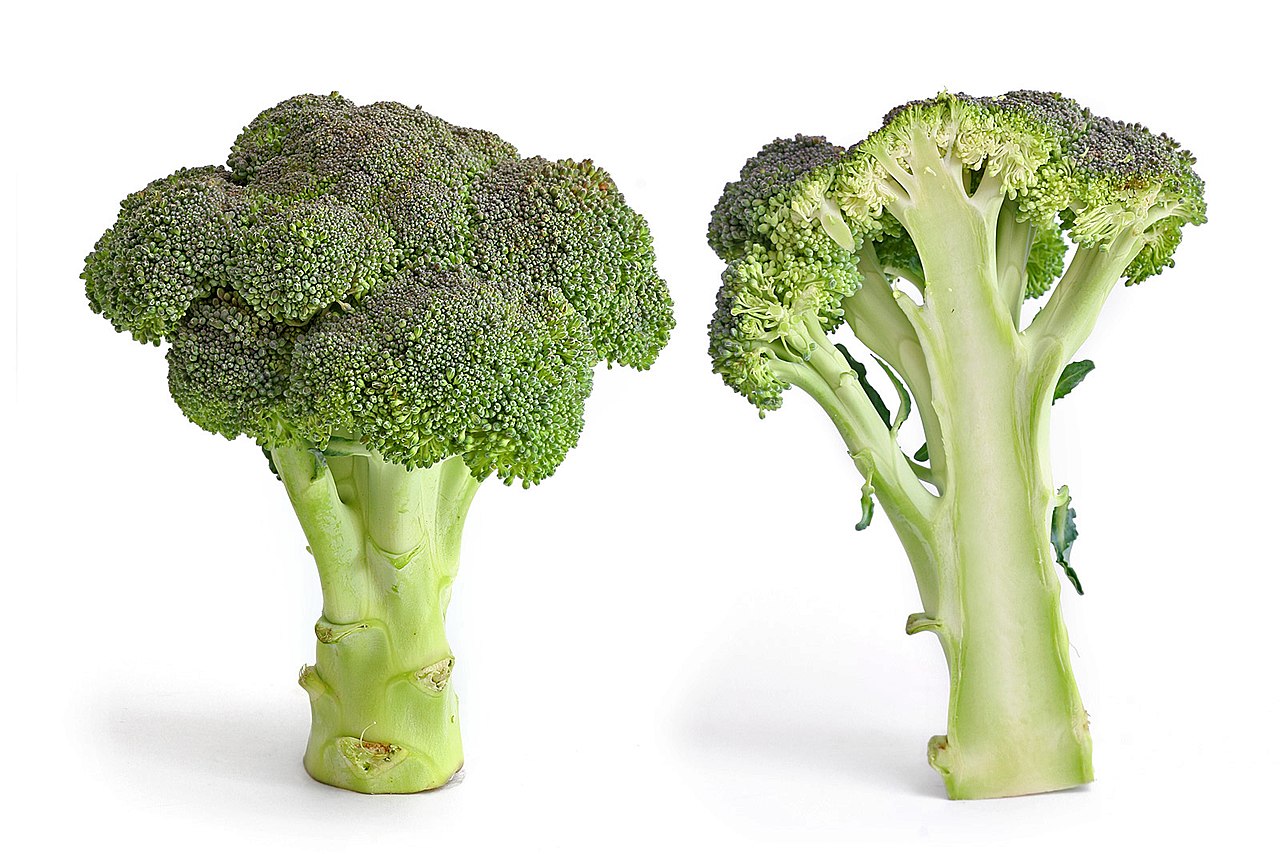
Fern-like patterns also occurin many plants (broccoli, Romanesco cabbage, tree crowns and leaves of plants, pineapple fruit), animals (bryozoans, corals, hydroids, starfish, sea urchins). Also, fractal patterns take place in the structure of the branching of blood vessels and bronchi in animals and humans.
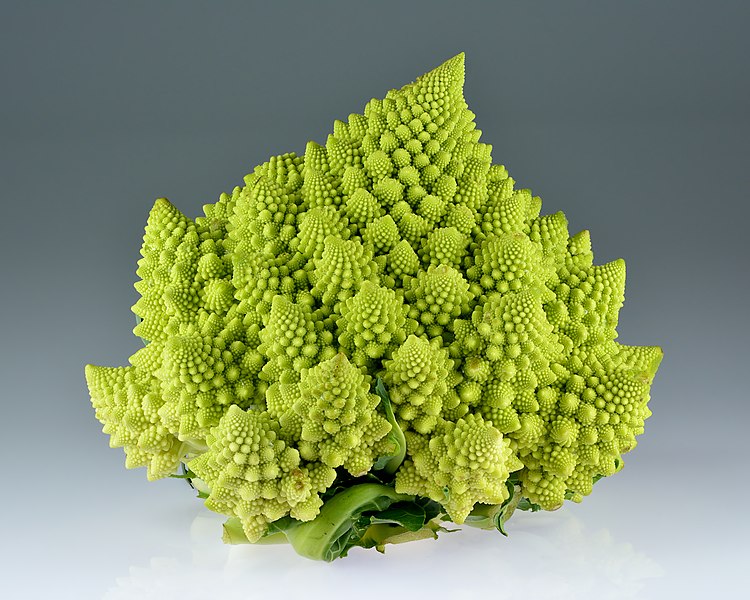
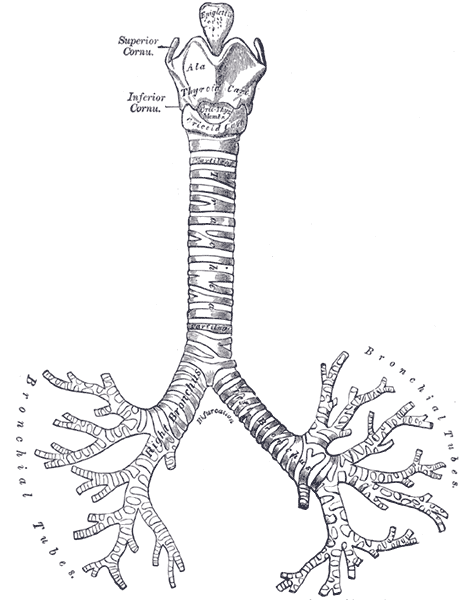
The first examples of self-similar sets with unusualproperties appeared in the 19th century as a result of the study of continuous non-differentiable functions (for example, the Bolzano function, Weierstrass function, Cantor set). The term "fractal" was introduced by Benoit Mandelbrot in 1975 and became widely known with the publication of his book "Fractal Geometry of Nature" in 1977.
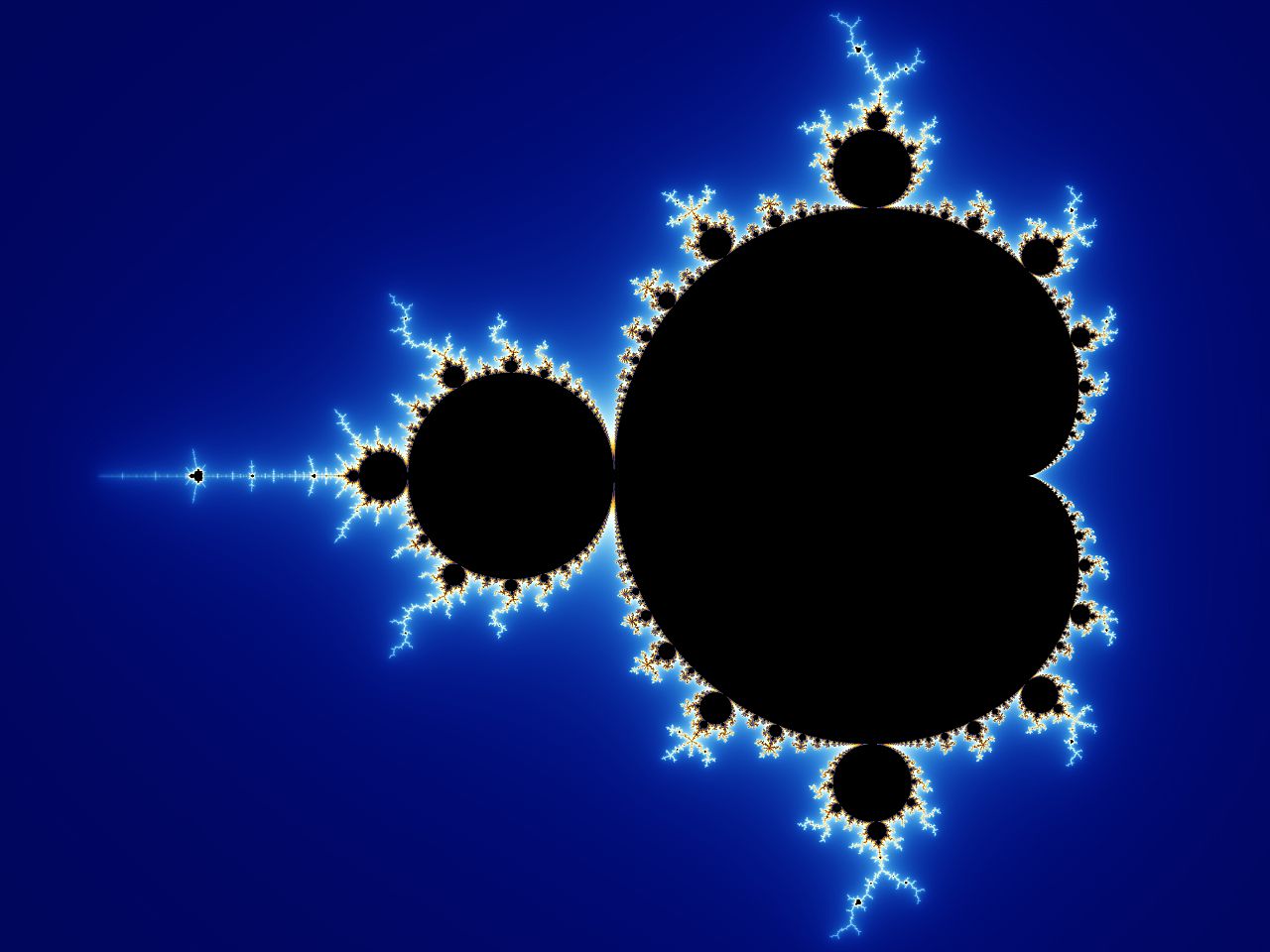 Mandelbrot set - classic fractal pattern
Fractals gained particular popularity with the development of computer technologies, which made it possible to effectively visualize these structures.
Polygons are an engineering genius
With sufficient observation, it is easy to detect strict geometry in living nature. Hexagons—regular hexagons—are held in special esteem.
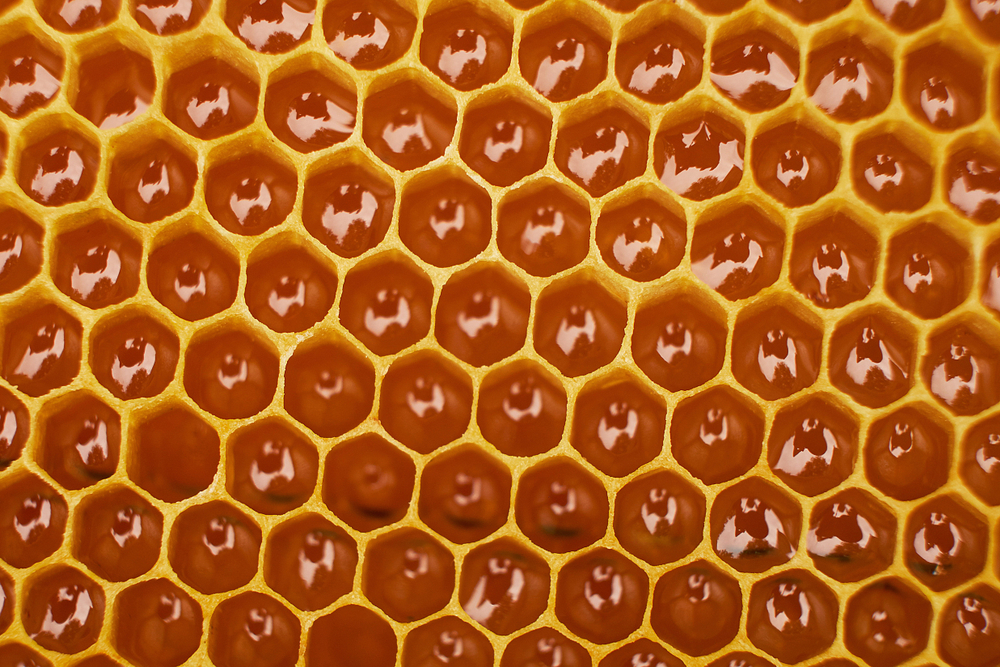
For example, the honeycombs in which bees storegolden nectar is a marvel of engineering, a set of prism-shaped cells with a regular hexagon at the base. The thickness of the wax walls is strictly defined, the cells deviate slightly from the horizontal so that viscous honey does not leak out, and the cells are in equilibrium, taking into account the influence of the Earth's magnetic field. But this structure, without drawings or forecasts, is built by many bees, who simultaneously work and somehow coordinate their attempts to make the honeycombs the same.
If you blow bubbles on the surface of the water,to bring them together, they will take the shape of hexagons - or at least approach it. You will never see a bunch of square bubbles: even if the four walls touch, they will immediately rearrange into a structure with three sides, between which there will be approximately equal angles of 120 degrees. Why is this happening?

Foam is a lot of bubbles.In nature, there are foams made from different materials. Foam made from soap films obeys Plateau's laws, according to which three soap films join at an angle of 120 degrees, and four faces join at each vertex of a tetrahedron at an angle of 109.5 degrees. Plateau's laws then require that the films be smooth and continuous and have a constant average curvature at each point. For example, a film may remain nearly flat on average, curvature in one direction (eg left to right), while at the same time curve in the opposite direction (eg top to bottom). Lord Kelvin formulated the problem of packing cells of the same volume in the most efficient way in the form of foam in 1887; his solution is a cubic honeycomb with slightly curved edges that satisfy the plateau laws. This remained the best solution until 1993, when Denis Waeren and Robert Phalan proposed the Waeren-Phalen structure. This structure was subsequently adapted for the outer wall of the Beijing National Swimming Complex, built to host the 2008 Summer Olympics.
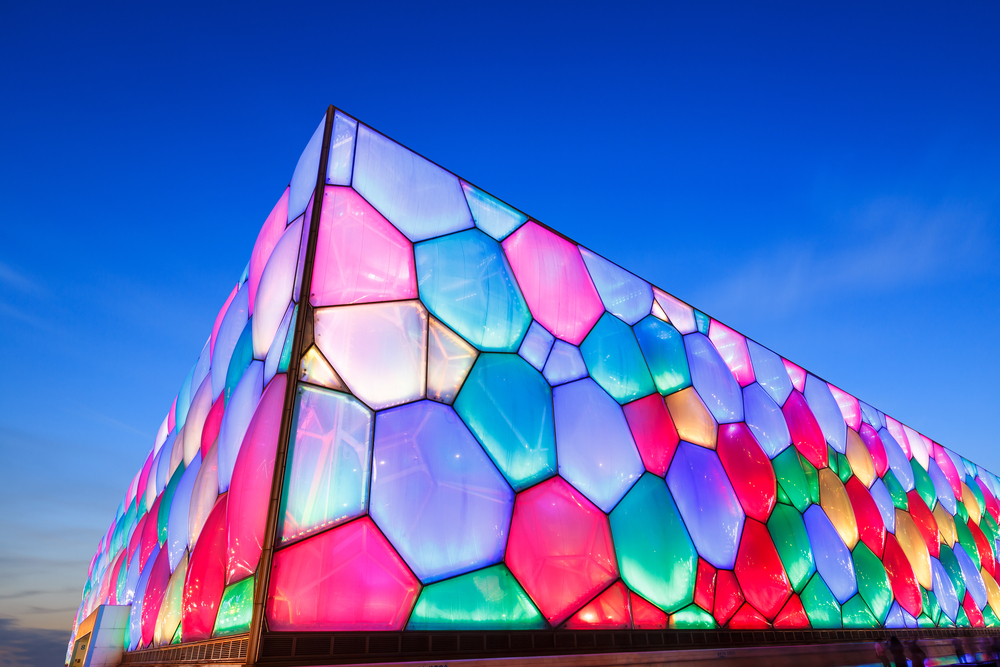
Nature is concerned with economy.Bubbles and soap film are composed of water (and a layer of soap molecules), and surface tension compresses the surface of the liquid so that it occupies the smallest area. Therefore, when raindrops fall, they take a shape close to spherical: a sphere has the smallest surface area compared to other figures of the same volume. On a sheet of wax, water droplets are compressed into small beads for the same reason.
Surface tension also explains the patternwhich form bubbles or foam. The foam strives for a design in which the total surface tension is minimal, which means that the area of the soap membrane should also be minimal. But the configuration of the walls of the bubbles must also be strong from the point of view of mechanics: the tension in different directions at the "intersection" must be perfectly balanced (according to the same principle, a balance is needed when building the walls of the cathedral). Three-way bonding in bubble film and four-way bonding in foam are combinations that achieve this balance.
Read more
The first accurate map of the world was created. What's wrong with everyone else?
NASA told how they will deliver samples of Mars to Earth
Uranus has received the status of the strangest planet in the solar system. Why?