A mysterious ancient writing system, the Elamite Linear Script, was used between about 2300 AD.before
Today, only about 40 known examples of Elamite linear writing have survived, making it difficultHowever, researchers say they have largely succeeded.The key to the decipherment was the analysis of eight inscriptions on the silver cups.
Previously, other scholars have deciphered variousLinear Elamite inscriptions, and the authors of the new study relied on previous work. They compared the writing system in eight Linear Elamite inscriptions with cuneiform (already deciphered script used in the modern Middle East). They date from about the same time period and probably contain the names of the same rulers and their titles. In addition, ancient people used the same phrases to describe rulers.
Scientists also understood what other additional signs mean. At the same time, about 3.7% of linear Elamite characters remain undeciphered.
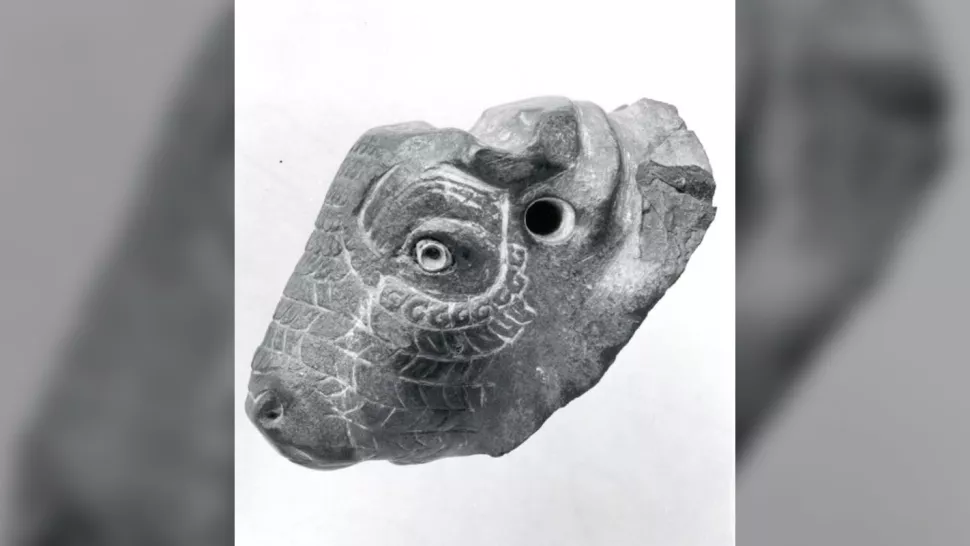 Part of a vessel in the shape of a bull's head, which is 4,000 years old.Linear elamite was used at the same time and in the same place.
Image courtesy of The Metropolitan Museum of Art
In a new study, scientists translated onea short text that says (in translation): "Puzur-Sushinak, king of Avan, Insushinak [the deity] loves him." The text adds that anyone who rebels against Puzur-Sushinak must be "destroyed". Scholars will publish more full text translations in the future.
There are over 300 linear Elamite signs that represent various sounds.
The problem is that experts aren't quite surewhere did the eight linear Elamite inscriptions come from. Seven of them are in the collection of collector Houshang Mahbubian, while others are in the collection of Martin Scheuen, a Norwegian businessman and collector. Schoyen has people working for him to help keep the collection under control, and they work with the scientists on a regular basis.
An inscription that belongs to Schoyen and hundredsother artifacts from his collection were confiscated by the Norwegian police on August 24, 2021. A report published by the Museum of Cultural History in Oslo states that Schoyen "failed to provide documents on the legal removal of relics from Iran." In addition, there is evidence of smuggling. The Norwegian authorities were advised to consult with Iranian officials about what to do with the artifact.
In July, Scheuen's representatives publishedstatement criticizing the report. Experts say at least one study author was “biased.” They added that the relic with the linear Elamite inscription comes from the ancient city of Susa in Iran. At the same time, the origin of the artifacts from Mahbubian’s collection also remains unclear, the authors of the new work write.
Read more:
The first images of the underground part of Mars surprised scientists
From the body to the mouth: scientists have understood where the teeth came from
Where on the planet will be the most dangerous by 2100: a new map has been published
Cover photo: Darafsh, CC BY-SA 3.0, via Wikimedia Commons