We all eat potatoes quite often. However, now you need to try to buy it as often as possible, since
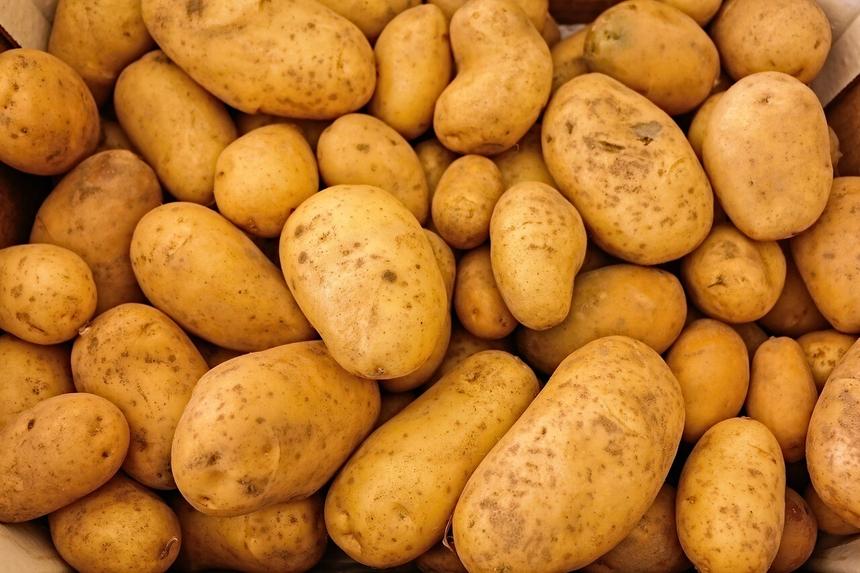
Young potatoes are usually harvested after a coupleweeks after the end of its flowering. It is easy to distinguish it from the old one: it has a very thin, almost transparent skin. At the same time, it is easily separated, even if you just press it with your fingers. But if you see that the vegetable has turned green, then it must definitely be thrown away, as it is poisonous.
Potato contains the strongestantioxidants bioflavonoids. They help prolong youth and health, prevent the development of tumors, protect blood vessels, and make cell walls more stable.
In addition, potatoes contain vitamins A, B1, B2, B5, B6, C, E, K, as well as choline, niacin, and folic acid. Moreover, in young tubers there is even three times more vitamin C than in old ones.
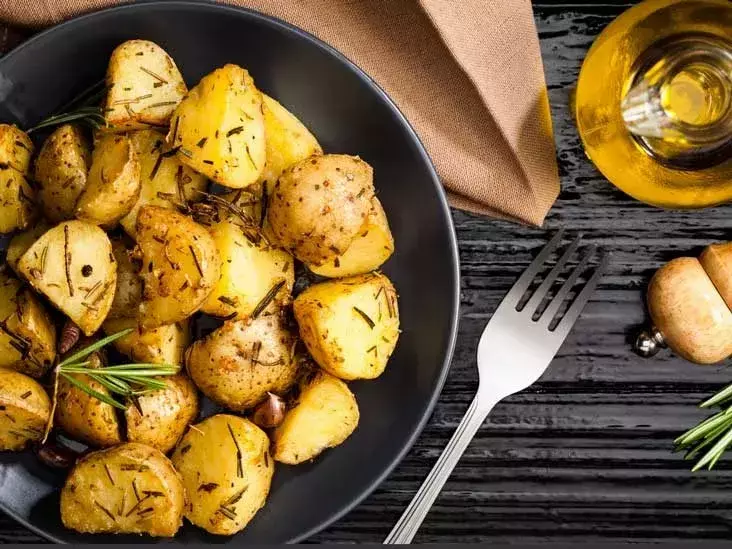
Young potatoes are distinguished by the presence of organic acids, useful for digestion, and fiber. There are also many minerals in it: calcium, potassium, magnesium, phosphorus, sodium, sulfur, iodine.
Just one hundred grams of young potatoes will fill half the daily requirement for vitamin C.
Young potatoes help to improve metabolism, the work of the intestines, the brain, and improve mood. Its calorie content is 30 percent less than the calorie content of ripe tubers.
Experts advise eating potatoespatients with gastritis, ulcers with low acidity, cardiovascular diseases, kidney diseases, edema. It is also considered a good diuretic and antiscorbutic (that is, preventing the occurrence of scurvy) remedy.
Also, with the help of potatoes, skin diseases and injuries are treated: scratches, burns, cuts.
At the same time, eating potatoes is dangerous for people whosuffer from flatulence, obesity, diabetes, sexually transmitted diseases, increased acidity of gastric juice, urolithiasis, enteritis, enterocolitis and colitis in the acute stage.
News stories cannot be equated with a doctor's prescription. Before making a decision, consult a specialist.