In 1973, a ban was introduced on supersonic flights over land. Now, almost 50 years later, NASA is using
Lockheed Martin X-59 QueSST - Americanan experimental supersonic aircraft being developed at the Skunk Works under NASA's Low-Boom Flight Demonstrator program. Preliminary design began in February 2016. The first flight is scheduled for 2023.
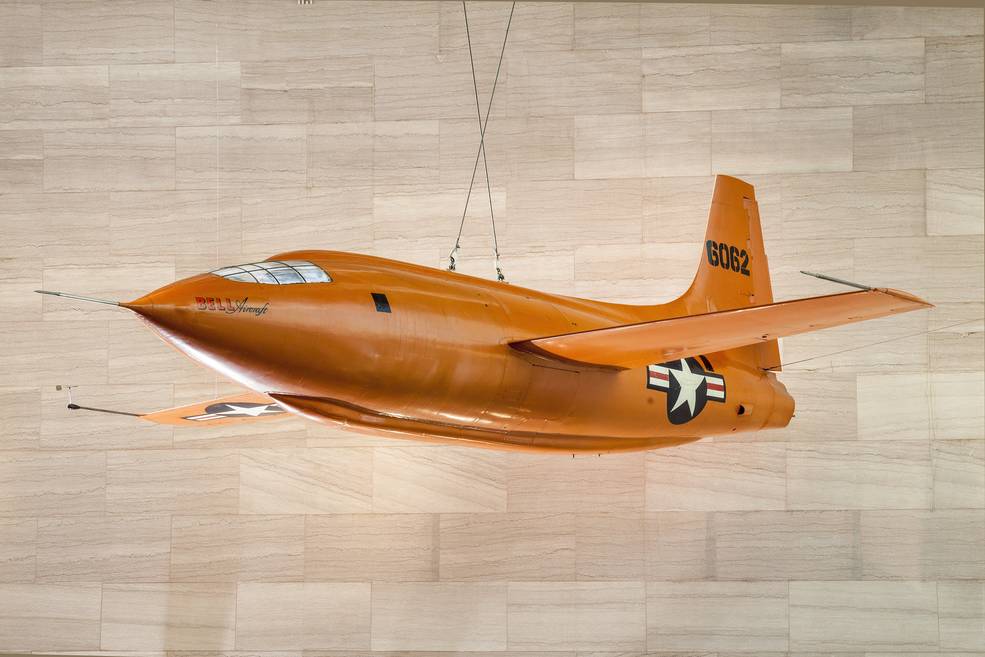
NASA intends to use QueSST technology,to demonstrate that the X-59 can fly faster than sound without producing loud sonic booms. Previously, the X-59 Lockheed Martin Bell X-1 made a historic supersonic flight on October 14, 1947.
The X-59 QueSST is expected to flycruising flight at a speed of Mach 1 = 1.42 (1510 km/h), at an altitude of 17,000 m, creating a low sound pressure level of 75 perceived decibels. The experimental apparatus is designed to evaluate the acceptability of supersonic passenger transport.
The X-59 will fly over several areas, andNASA employees will check the reaction of local residents to the sound of the aircraft. It is supposed to sound like a quiet “knock.” Regulators will review all comments and, if successful, draw up rules to lift the restrictions.
October 14, 1947, when the jointNACA's X-1 team, the Air Force (reformed that same year), and Bell engineers and pilots broke the sound barrier—an imaginary "wall" in the sky that some claimed was impossible to break through .
Read more:
Living organisms have made Mars uninhabitable
The most powerful black hole collision in the universe proved Einstein's theory
The bones in the Midnight Terror Cave were carefully examined and found inexplicable footprints.