NASA researchers explained that astronauts constantly face the threat of radiation because
If the radiation is not controlled, it cancause all sorts of health problems, primarily increasing the risk of cancer. Therefore, in flight planning, NASA uses radiation exposure limits to determine how long astronauts can be in space. But this limit is not the same for all astronauts. Independent experts now support NASA's proposal to change these numbers.
NASA is now calculating this limit based onrisk assessment. The limit is the amount of total exposure that increases the likelihood of an astronaut dying from cancer during the remainder of his life by 3%.
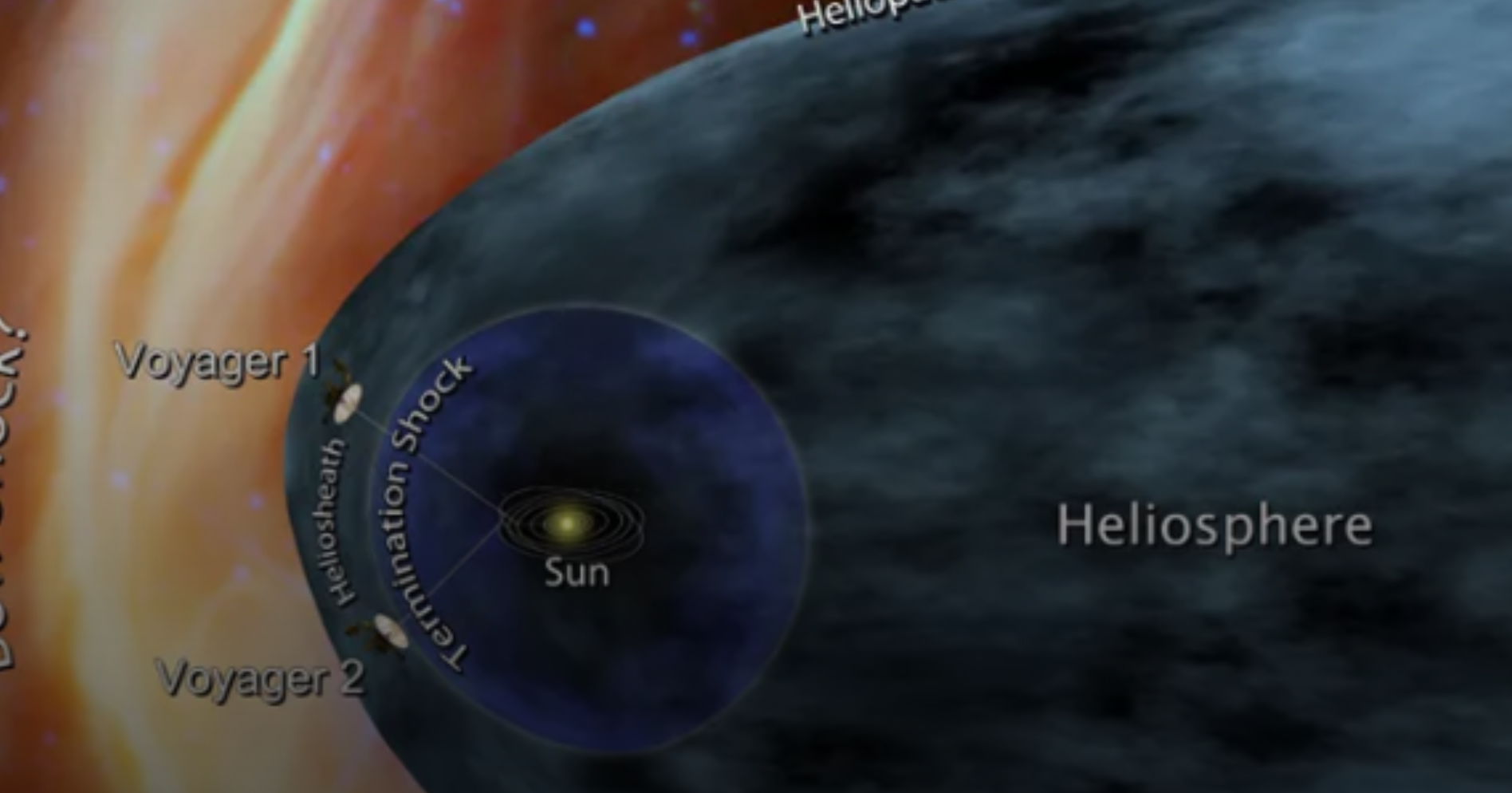
Scientists have created a 3D map of the solar system: at the edges it looks like a drop
However, susceptibility to cancer,which radiation can cause depends on age and reproductive organs, so the limitation does not allow everyone to spend the same amount of time in space. Therefore, under current regulations, NASA astronauts will not be able to spend as much time in orbit as astronauts, and younger professionals less time than their older counterparts, who do not have much time to develop cancer in their bodies.
NASA decided that the average limitthe radiation level will be equal to 600 millisieverts for the entire career in the agency. For comparison, one chest x-ray in a doctor's office gives about 0.1 millisievert, and the natural background radiation of the Earth - about 3 millisieverts per year. Workers who were near the zero mark of the Chernobyl nuclear power plant in 1986 received 6 thousand millisieverts.
Meanwhile, according to a new report, over sixmonths of stay on the International Space Station, an astronaut receives from 50 to 120 millisieverts. More distant destinations, such as Mars, are subject to more radiation.
Read more
The conversations of the deceased Soyuz-11 crew have been declassified: what they talked about before their death
Australia has found beetles that walk upside down on the inner surface of the water
Study: dinosaur populations plummeted before extinction