Researchers from NASA said that the Curiosity rover is near a lot of information that
Since landing on Mars in 2012 Curiosityfound outbursts of methane six times, but until now scientists have not been able to find their sources. European orbiter Trace Gas Orbiter also failed to detect methane at atmospheric level. Now the team has narrowed down the ground-based sources by simulating methane particles and tracing their routes based on historical wind speeds.
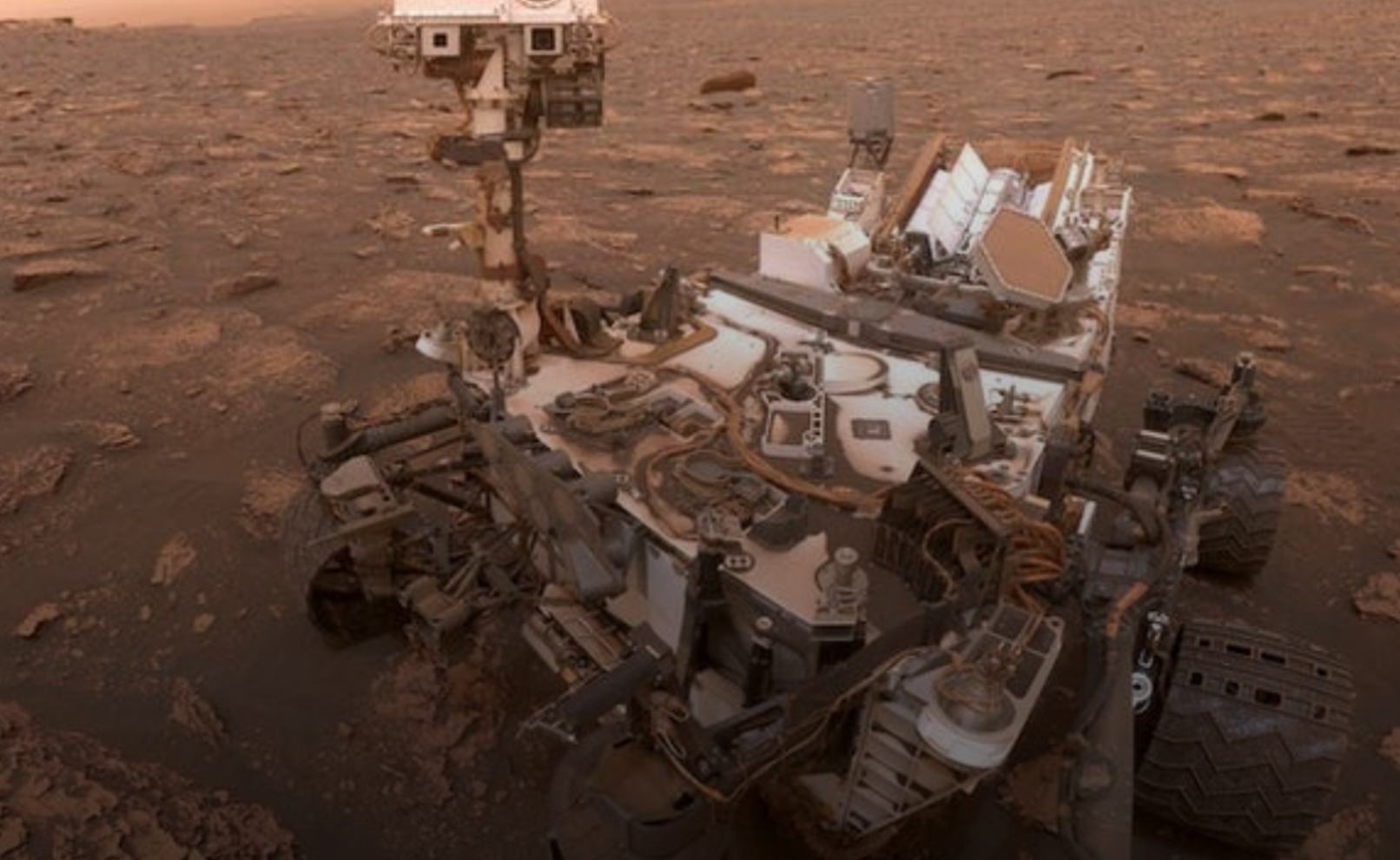
Perseverance began to move around Mars on its own
The study has not yet been peer-reviewed, howeverscientists have already suggested that the gas is of inorganic origin. Even so, emissions could be related to geological activity due to liquid water. Early Mars contained huge amounts of water - if these sources lack active water, studying them could help clarify the planet's history.
Previously, a NASA device on Mars went on an autonomous trip for the first time, which does not require the help of researchers from Earth. For this, engineers have specially developed a new navigation system.
Read more
Explained how the universe is reflected near black holes
Mass poisoning and new versions of the death of civilization: how our knowledge about the Maya changed
Changes in the Earth's orbit contributed to the emergence of complex life on the planet