How did it all start?
A 41-year-old man in China's eastern Jiangsu province was confirmed as the first case
The man from Zhenjiang City was admitted to hospital on April 28 after developing fever and other symptoms, the Chinese National Health Commission said.
Representatives of the department said that on May 28 athe was diagnosed with the H10N3 avian influenza virus, although details of how the person became infected have not been reported. The man was in a stable condition and was ready to be discharged from the hospital. Medical observation of his loved ones did not reveal other cases.
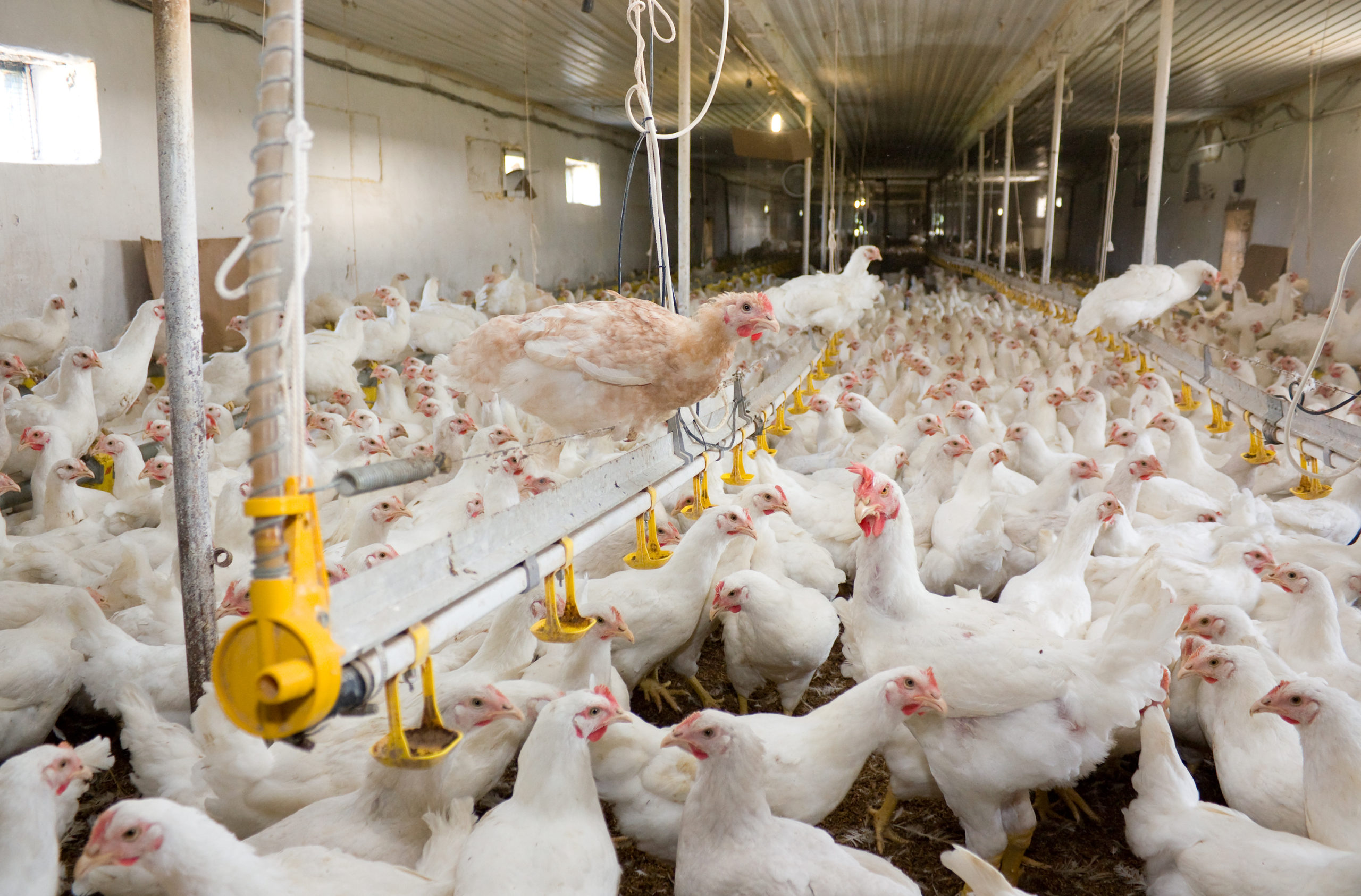
The H10N3 strain was first identified in Hong Kong in 1979, then in 2011 in the poultry market in Thailand. It has not been recorded in humans before.
The H10 subtype has been known among waterfowl in different regions of the world for more than half a century. In particular, it is found in wild birds in the Amur Region. The strains infect birds, but some are pathogenic to humans.
What is Avian Flu?
Bird flu is a viral infectiontransmitted from bird to bird. The most common type of bird flu is the H5N1 strain. The virus is mainly a threat to the lives of birds and does not spread easily among humans. But in 2014 the situation changed. A large outbreak of bird flu among humans has been reported in China.
Influenza A viruses occasionally cause outbreaks of infection in the animal kingdom.
Migratory water birds, especially wild ducks, are natural vectors of avian influenza viruses. There are suspicions that the infection can be transmitted from wild birds to domestic ones.
How do people get bird flu?
People become infected with avian influenza through close contact with birds or bird droppings.
There are seven types of influenza viruses, of which three areA, B and C - infect a person. Type A viruses, in turn, differ depending on the gene encoding a protein (glycoprotein) on the membrane. Neuraminidase is designated NA, gemaglutinin - HA. The latter is subdivided into 18 subtypes: H1, H2, and so on.
During the 2014 outbreak, some peoplebecame infected with H5N1 through cleaning or plucking infected birds. In China, there have been reports of contamination through inhalation of aerosol materials in live poultry markets. It is also possible that some people became infected after swimming in water contaminated by the droppings of infected birds. In addition, people who keep birds for cockfighting have become infected. This type of “entertainment” is especially popular in the countries of Southeast Asia, Indonesia, China, and the Philippines.

HA viruses are constantly evolving and capable ofovercome the interspecies barrier - that is, infect people. In 1918, the H1N1 strain, also known as the Spanish flu, claimed millions of lives. The last outbreak of avian influenza type A in 2016-2017 caused by the H7N9 strain. Before COVID-19, scientists considered the H5 and H7 subtypes as the most likely source of a new pandemic. However, even now, researchers do not exclude such an option.
What are the symptoms of bird flu in humans?
The virus spreads by airborne droplets, infects epithelial cells of the respiratory tract and begins to copy itself.
The symptoms of bird flu in humans may bedifferent. The illness can begin with the onset of common flu-like symptoms - high fever, cough, runny nose. Sometimes the condition worsens and develops into a severe respiratory illness that can be fatal.
The immune defense, recognizing a spike protein on the membrane of the virus (gemmaglutinin), produces antibodies. There is no special treatment, drugs only alleviate the disease and prevent complications.

In February 2005, researchers in Vietnamreported cases of avian influenza in humans in which the virus infected the brain and digestive tract of two children. Both died. These cases show that avian influenza in humans may not always resemble a typical case of the disease.
Strains of viruses are constantly circulating among peopleinfluenza type A, they are included in the annual vaccines. But there is a problem - the part of the virus genome, which encodes the spike protein, is rapidly evolving under the pressure of the body's immune system. New strains are learning to dodge neutralizing antibodies.
What is known about the H10 subtype?
The H10 avian influenza subtype is found primarily inwild birds. In China, by the way, there are already many of its strains. In 1984, the H10N7 strain was found in minks on farms in Sweden. In 2008 - in pigs. In 2014, it killed seals off the coast of Denmark. People have had this flu since 2004.
It was the H10N8 strain that caused the epidemic in 2013-2014in China. The study showed that there are insertions from a different subtype in its genome. The ability of H10 to reassemble RNA from other variants of viruses is extremely dangerous. In such conditions, the risk of a highly pathogenic strain is very high.

In 2016 Scientists have found that H10N3 infects mice and it can infect people. Then scientists wondered when it would spread to humans. It happened in 2021.
How contagious is the strain?
National Health Commission of Chinastated that H10N3 is a low pathogenic or relatively less virulent strain of the virus found in poultry and the risk of spreading on a large scale is very low. No pandemic is expected yet. And yet, WHO warns of danger.
While avian influenza viruses circulate amongpoultry, sporadic avian influenza infection among humans is not surprising, a stark reminder that the threat of an influenza pandemic remains.
WHO statement
The strain was "not a very common virus" -said Philip Klaas, Regional Laboratory Coordinator for the Emergency Center for Transboundary Animal Diseases of the United Nations at the Asia-Pacific Regional Office. In the 40 years to 2018, only about 160 isolates of the virus have been reported, mostly in wild or waterfowl in Asia and some limited areas of North America, and so far none have been detected in chickens, Klaas said.
He added that it will be necessary to analyze the genetic data of the virus to determine if it is similar to old viruses or a new mixture of different viruses.
There are many different strains in Chinaavian flu, and some sporadically infect humans, usually those who work with poultry. There were no significant human cases of avian influenza as the H7N9 strain killed about 300 people during 2016-2017.
The Commission also said that no other human cases of H10N3 have been reported in the world before.
Read more
A combat drone for the first time without a human order tracked down the enemy and attacked
New exoskeleton reduces human stress while walking
A mathematical model of the brain will allow AI to think like a human