New technology will help make 5G broadband practical for everyday users. The thing is,
Modern 5G broadband systems transmitdata using a millimeter wave laser beam, they send it between the base station and a receiver, for example, the user's phone. The problem is that if something or someone gets in the way of this beam, then the connection is completely blocked.
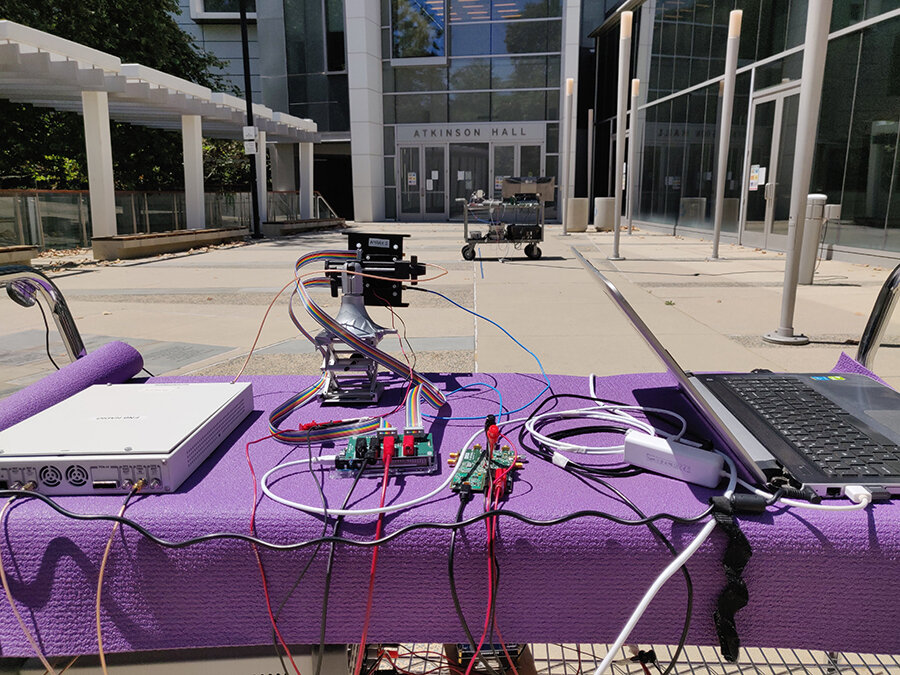
The graduate student and his team figured out how to get around thisproblem: they split one millimeter-wave laser beam into several laser beams, and each beam now has to travel its way from the base station to the receiver. The idea is to increase the likelihood that at least one beam will reach the receiver when an obstacle is in the way.
The researchers tested the new system in the office and outside the building on campus: it provided high connection throughput - up to 800 Mbps, with 100% reliability.
The signal did not stop or expire when the user avoided obstacles. During tests in the open air, the system worked at a distance of up to 80 m.
Read more
Japan unveils new engine that will allow rockets to explore deep space
Two new dinosaur species discovered in China
There is a method of using quantum computers in everyday conditions