Researchers have developed a nano-sized carbide that can act as a super lubricant for
“These super lubricants can be particularlyuseful for antiwear and lubrication in extreme conditions, such as the Perseverance rover, ”the researchers noted. They describe their discovery in an article published in Materials Today Advances.
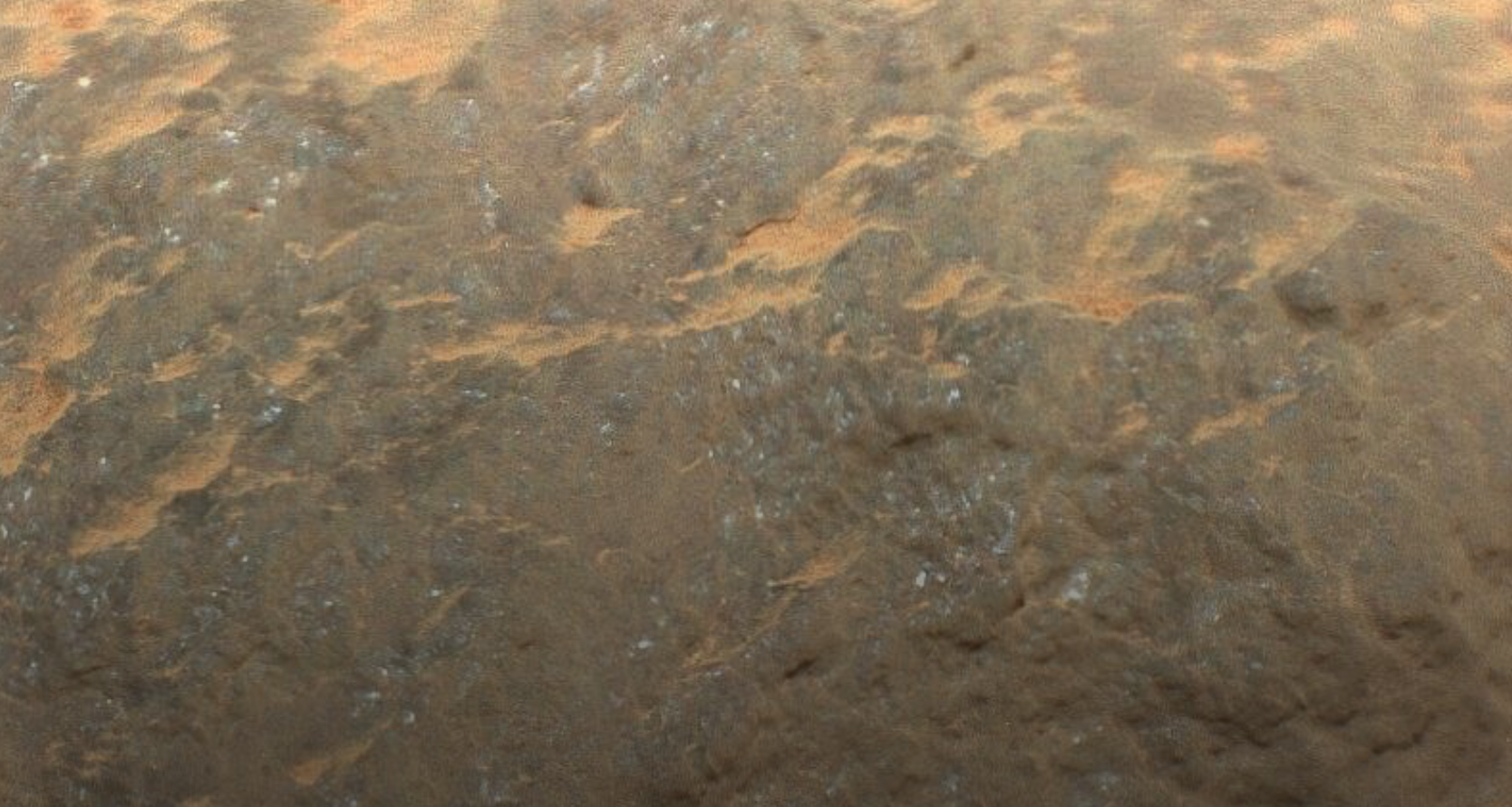
The SuperCam scientific instrument from the Perseverance rover sent its first results to Earth
MXenes are metal carbide materials,possessing unusual properties. For example, their ability to conduct electricity allows them to be used for energy storage, sensors and optoelectronics. A team of scientists ran a series of tests to determine how well they worked as solid lubricants with certain materials.
Researchers Conduct Ball Friction Testsin a disc at the nanometer scale by superimposing MXene titanium carbide on a silicon substrate that has been coated with a thin layer of silica, the main ingredient in sand. They then tested the MXene's ability to withstand wear by sliding on a diamond-like carbon steel ball. These tests were carried out in a dry nitrogen environment, which significantly reduced humidity, bringing these conditions closer to extreme.
Read more
Uranus has received the status of the strangest planet in the solar system. Why?
Physicists have created an analogue of a black hole and confirmed Hawking's theory. Where it leads?
Abortion and science: what will happen to the children who will give birth