Korean researchers have unveiled a new technology that makes seawater drinkable in less than
A new study details the waypurification of seawater using a nanofiber membrane as a salt filter. Although scientists had previously used membrane distillation, they faced a problem that slowed down the process. If the membrane became too wet or flooded with water, it could no longer separate the salt. Therefore, scientists had to wait for the membrane to dry, or come up with additional solutions, for example, using pressurized air to release trapped water from the pores.
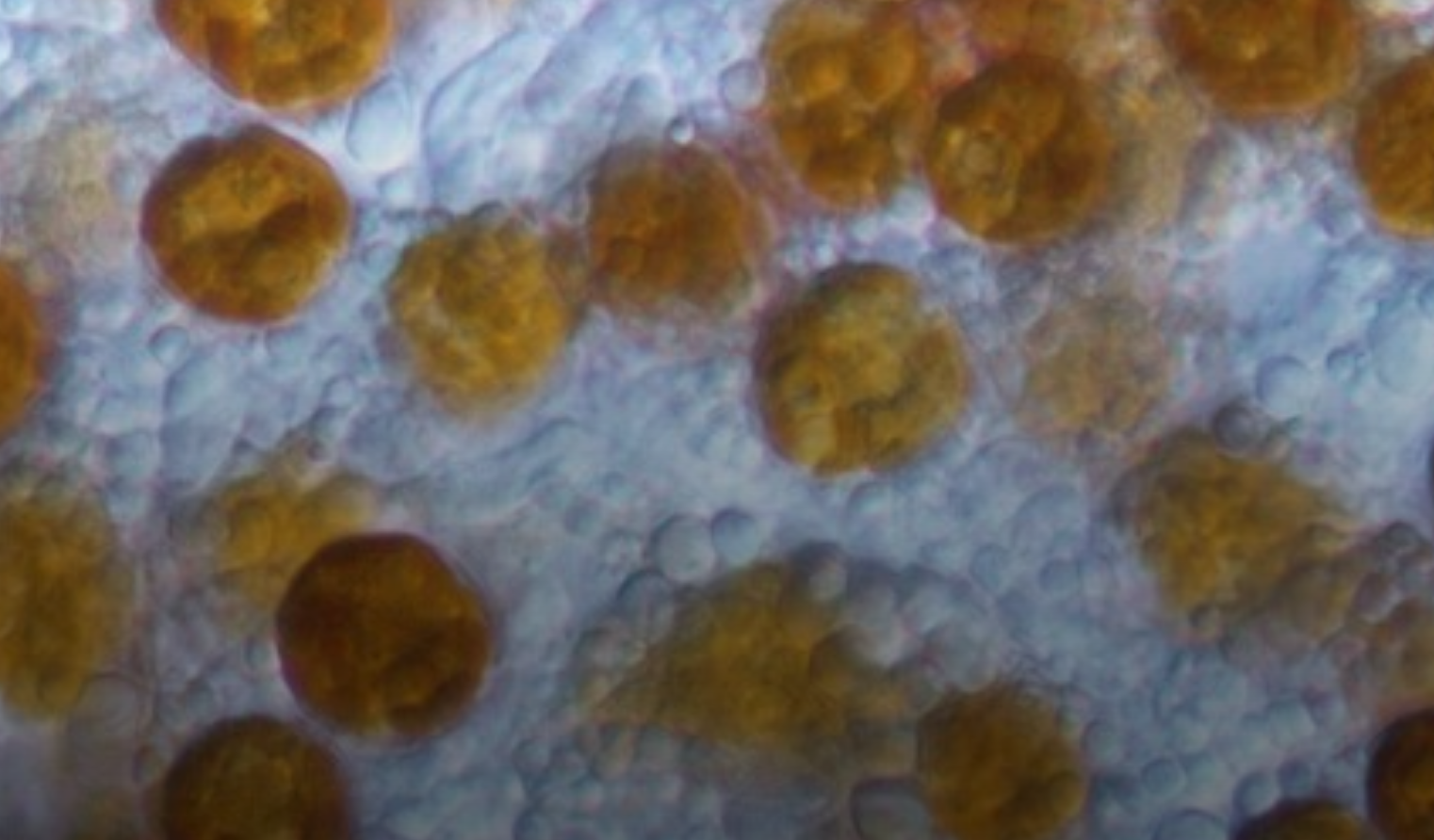
Scientists have revived a neglected genus of algae that lives in marine animals
To overcome this problem, the Korean teamturned to nanotechnology, known as electrospinning, to create a three-dimensional membrane. In fact, this allowed the creation of a filter with higher surface roughness and lower thermal conductivity, which helped to desalinate water within a month.
“The electro-braided coaxial nanofiber membrane has great potential for the purification of seawater solutions. It is suitable for use on a very large scale, ”the scientists noted.
Now the main method of seawater purificationis reverse osmosis at about 20 thousand desalination plants around the world. But these plants require a huge amount of electricity to operate, and in addition, concentrated brine is generated as waste, which is usually dumped back into the sea.
Read more
The conversations of the deceased Soyuz-11 crew have been declassified: what they talked about before their death
Australia has found beetles that walk upside down on the inner surface of the water
Study: dinosaur populations plummeted before extinction