Researchers explained that on the surface of Mars there is a substance called perchlorate, it is present
Now a group of scientists have developedbioinspired catalyst that simplifies the perchlorate removal process and breaks down 99% of the contaminant at ambient temperature and pressure. The results obtained make it possible to create "a water-compatible, efficient and reliable catalyst for the decomposition and utilization of [perchlorate] for water purification and space exploration."
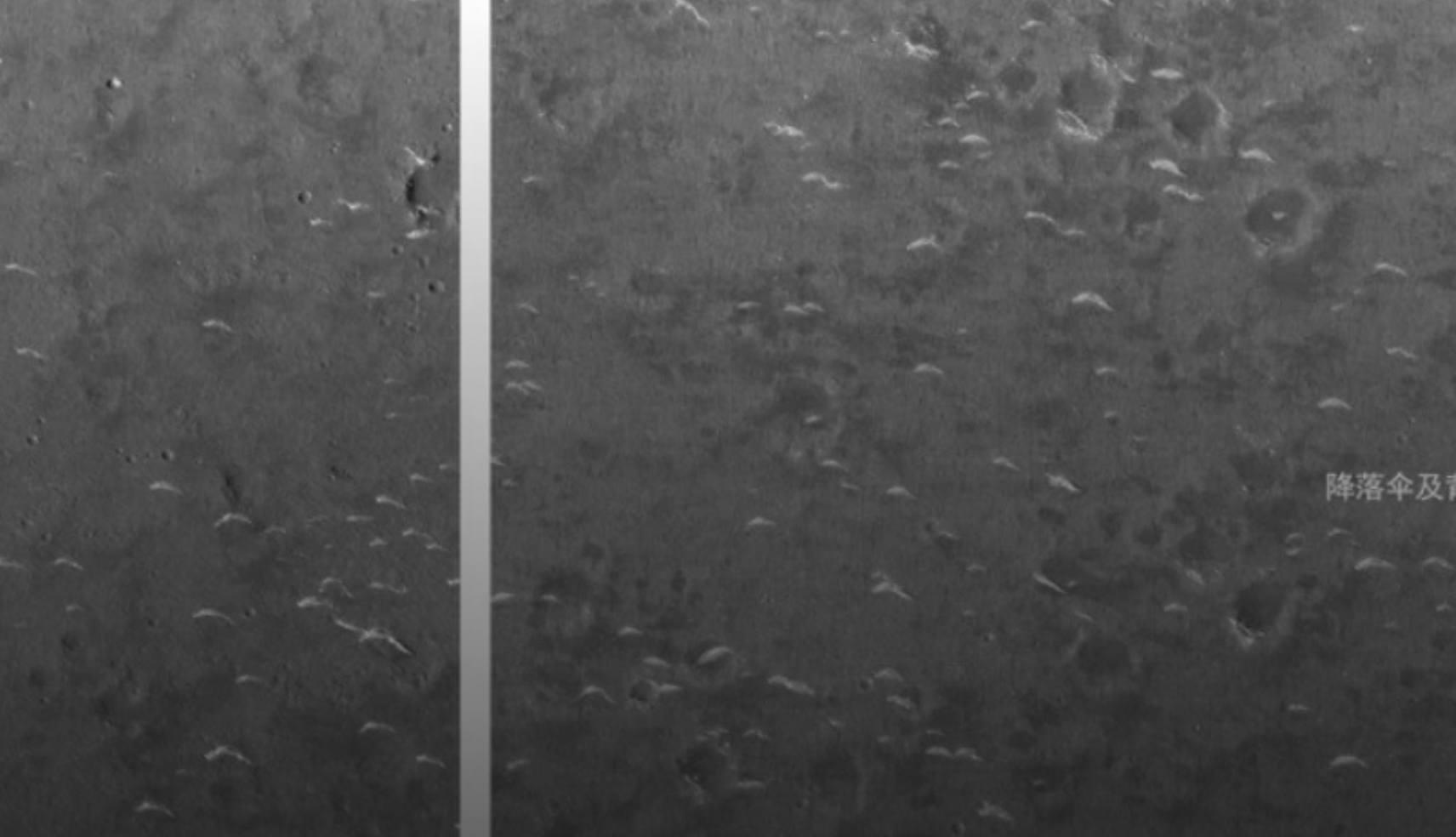
The first images of the landing site of the Chinese Mars rover have been published
To achieve this result, scientistsdeveloped a system based on molybdenum, a metal that microbes use in the enzymatic collection of perchlorate. Using a mixture of conventional fertilizer containing molybdenum, a bipyridine binding molecule, a catalyst, palladium on carbon, and hydrogen gas, the researchers were able to quickly break down perchlorate in water at room temperature.
Researchers have also demonstrated that rheniumcan improve the stability and self-sustainability of this catalyst design. These two studies represent prototypes of technologies that could simplify the process of removing perchlorate on Earth and in future human missions to Mars.
Read more:
The animal came to life after 24 thousand years of hibernation in the Siberian permafrost
The limit of a person's life: for how many years our body is designed and what factors affect it
Physicists explain why it is impossible to find dark matter: it is in another dimension