Researchers from Texas A&M University used an optimization framework they developed,
Using this structure, as well as changingalloy composition and improved printing parameters, the researchers produced nickel-titanium parts that consistently exhibited room temperature tensile superelasticity of 6% in the as-printed state (no post-fabrication heat treatment). According to the researchers, this level is almost double the previously described record for 3D printing.
Scientists say that such properties wereachieved by eliminating porosity and cracks that occur during the printing process. The authors used optimized processing parameters, a carefully selected nickel evaporation process from nickel-rich NiTi powder, and controlled oxygen content in the print chamber.
“Shape memory alloys are smart materials,which can remember their shape at high temperatures,” explains Lei Xue, one of the authors of the publication. “Although they can be used in a variety of ways, making shape memory alloys with complex shapes requires fine tuning to ensure the material exhibits the desired properties.”
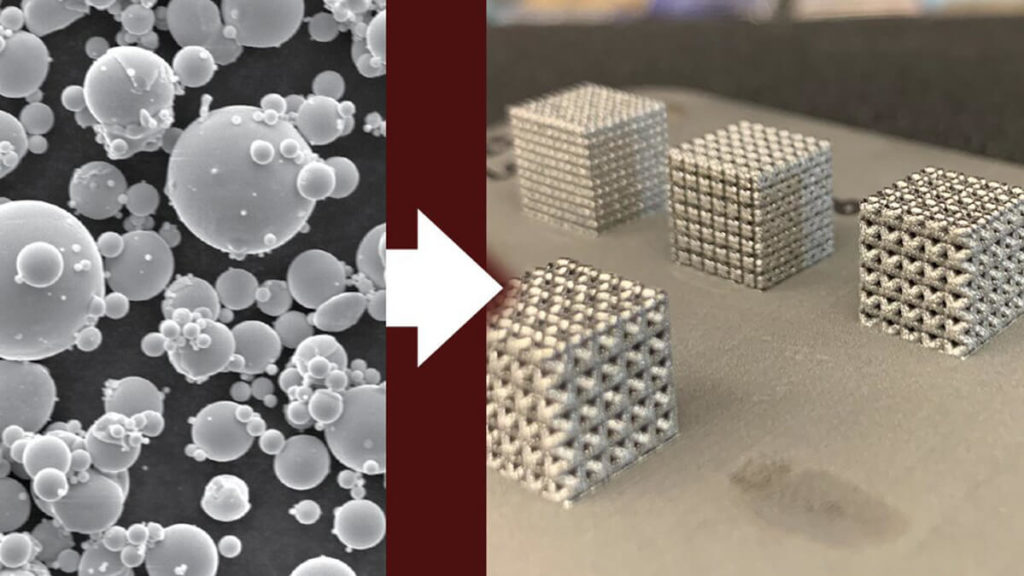
The researchers note that the possibility3D printing of shape memory alloys with increased superelasticity will reduce the cost and time of the production process. The scientists hope that in the future their discoveries will lead to greater use of printed nickel-titanium shape memory alloys in biomedical and aerospace applications.
Read more
American satellite "saw" an unusual message from Earth
Published video from the rocket, which was launched from an experimental accelerator
The monster at the center of our Galaxy: look at the photo of a black hole in the Milky Way