One of the most anticipated innovations of the iPhone 14 family is the Always On Display (AOD) feature, which has been available to Android smartphones for more than a decade.Its essence is to display useful information on the screen (hours, notifications, etc.) with minimal battery consumption.This is due to the advantage of OLED display technology, which is able to turn on only a part of the pixels - exactly those that are needed to draw the picture, while the lion's share of the panel remains disabled.However, a recent find by 9to5mac enthusiasts indicates that the AOD implementation fromIn the source code of iOS 16 beta 4, there are system wallpapers that can switch to a "sleeping" version.Their visualization is shown in the video below:
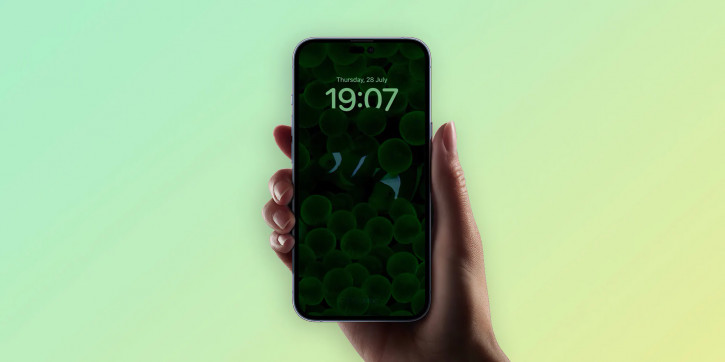
Contrary to the essence of AOD, the smartphone display will notturn off completely - instead, the brightness is dimmed, and the user continues to see the lock screen with wallpapers and other elements. Similarly, AOD works on the Apple Watch, but this will definitely reflect badly on the autonomy of the iPhone 14 with this feature enabled. It remains to be hoped that Apple will still add the option of a classic AOD with a completely off screen that displays only indicators.
© Vladimir Kovalev.
Sourced from 9to5mac.com