A major breakthrough in nuclear fusion was confirmed a year after it was achieved.
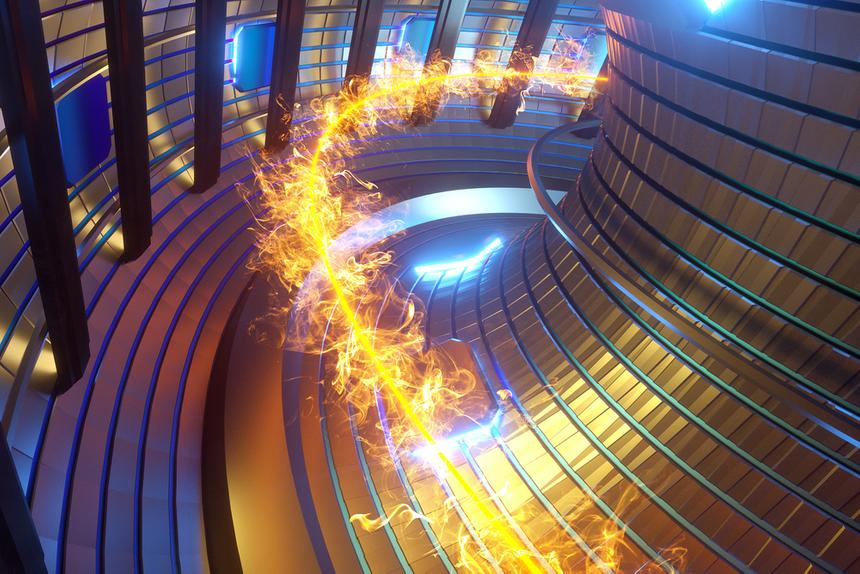
Nuclear fusion – this is a process thatpowers the sun and other stars: heavy hydrogen atoms collide with enough force to fuse together to form a helium atom, releasing large amounts of energy as a byproduct. Once the hydrogen plasma is “ignited,” the fusion reaction becomes self-sustaining, with the fusion reactions themselves producing enough energy to maintain the temperature without external heat.
“Ignition” during a thermonuclear reaction is essentiallymeans that the reaction itself produced enough energy to sustain itself, which is necessary when using fusion to generate electricity.
In the latest major work at LLNL, the researchers recorded an energy release of more than 1.3 megajoules in just a few nanoseconds.
"This record has become a major scientific"an achievement in fusion research that confirms that igniting fusion in the laboratory is possible," – Omar Hurricane, chief scientist for LLNL's inertial fusion program, said in a statement.