In a new study conducted by Binghamton University and State University
In an article published in the magazineNature Communications, scientists have revealed how the thin metal layer of a gold CD can be separated from the hard plastic. And then be turned into sensors for monitoring electrical activity in human hearts and muscles, as well as lactate, glucose, pH and oxygen levels. The sensors can interact with a smartphone via Bluetooth.
It is noteworthy that the production of one sensortakes 20-30 minutes and the finished device costs about $1.50. The process itself occurs without the release of toxic chemicals or the need for expensive equipment. According to the article, “This sustainable approach to recycling e-waste does not require advanced micro-manufacturing facilities, expensive materials, or high-end engineering skills.”
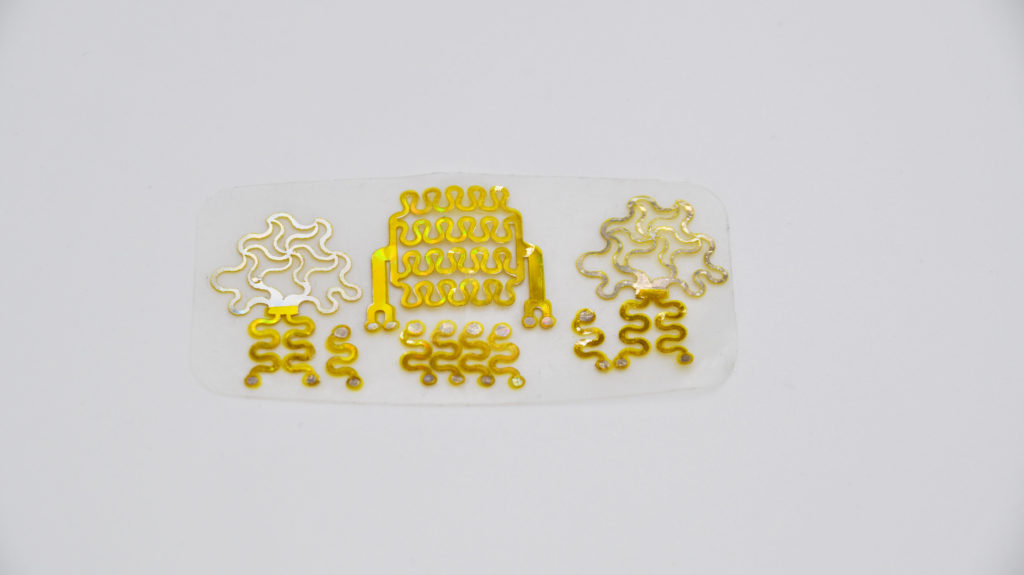 Flexible biosensor. Author: Matthew Brown
Previous studies of biosensors fromCDs have shown that these sensors remain too rigid and have a limited number of applications. The scientists' innovative solution is to remove the metal coating from the plastic underneath using a chemical process and duct tape.
To create sensors, the researchers usedCricut cutter, ready made machine for artisans. It is used to cut out designs on paper, vinyl, cardboard paper and more. Then the flexible chains were removed and pasted on the person. Using a smartphone app, healthcare professionals or patients can read off-the-shelf sensors and track treatment progress over time.
Read more:
A compelling new theory emerges as to why the Mayan civilization collapsed
The supersonic plane will fly at a speed of 2,000 km/h and cross the ocean in 3.5 hours
Created a quantum computer that "went beyond the binary system"