Content
- Video review
- Specifications
- Appearance and equipment
- Software
security
- Cameras
- Performance and Benchmarks
- findings
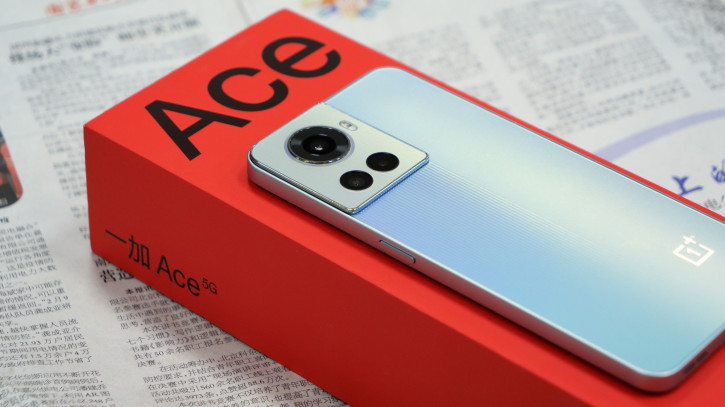
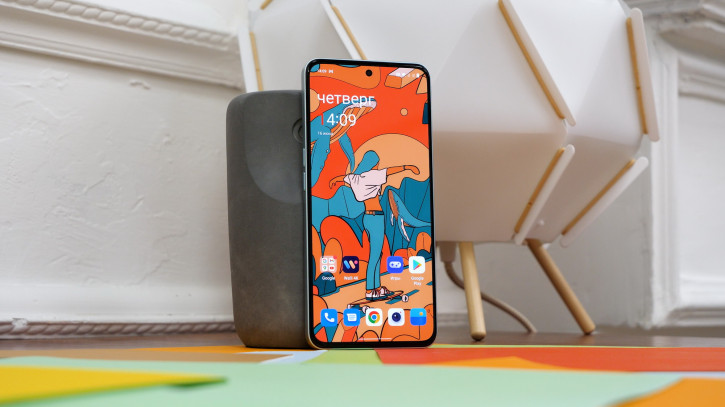
The modern OnePlus is not what it used to be.There are more and more devices, but there are fewer and fewer clear-cut “killers”. Today we will talk about a smartphone known in China as OnePlus Ace, and in the global market as OnePlus 10R (and also under the name Realme GT Neo 3).
Video review
Technical characteristics
 |
Specifications of OnePlus 10R / OnePlus Ace |
|---|---|
| Network | 2G, 3G, 4G, 5G |
| Firmware | Android 12, Oxygen / ColorOS |
| Screen | 6.7″, 20.1:9, 2412 x 1080 pixels, Fluid OLED, 120 Hz, 360 Hz touch, 500 (950) nits, sRGB, DCI-P3, HDR10+, 10 bit |
| Chipset | Dimensity 8100-MAX GPU: Mali-G610 |
| Ram | 8/12 GB (+2–5 due to ROM) LPDDR5 |
| ROM | 128/256 GB UVS 3.1 |
| SIM and memory card | 2× nanoSIM |
| Camera | Main: Sony IMX766, 50 (→12.5) MP, f/1.8, 1/1.56″, PDAF, OIS, 23.6 mm Ultra Wide: 8 MP, f/2.2, FF, 119.7° Macro: 2MP |
| Selfie | 16 MP, f/2.4, FF, 25.8mm |
| Battery | 5000 mAh / 4500 mAh |
| Charging | USB-C (2.0), 80W / 150W |
| Wireless interfaces | Wi-Fi 802.11a/b/g/n/ac/ax(6), 2.4/5 GHz Bluetooth 5.3 (SBC, aptX HD, LDAC, AAC) GPS, GLONASS, Beidou, GALILEO, A-GPS |
| NFC | there is |
| Biometrics | Fingerprint scanner under the display |
| Sound | Stereo |
| Water protection | Not declared |
| Dimensions and weight | 163.3 x 75.5 x 8.2mm 186 g |
Appearance and equipment
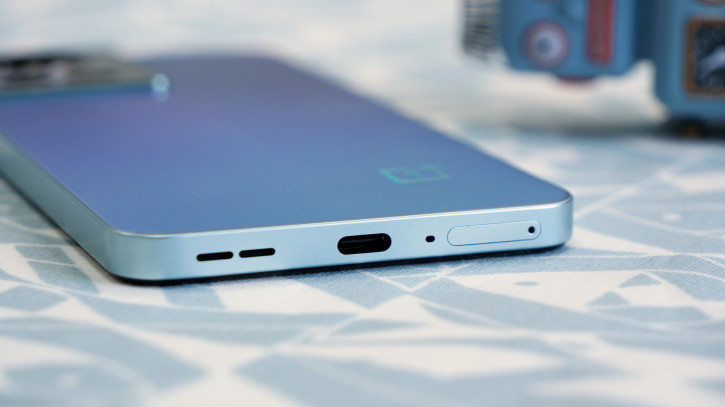
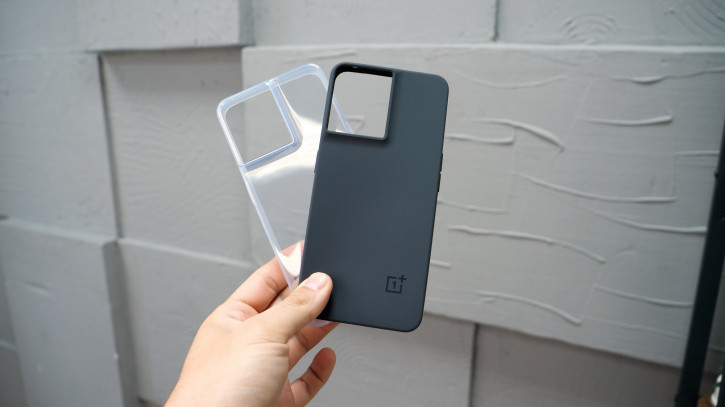
The OnePlus 10R package includes itselfsmartphone, power adapter, USB-C cable, adhesive protective film, case and documentation. There is an unusual variability for smartphones: the power adapter can be either 160 W (with a battery capacity of 4500 mAh) or 80 W (at 5000 mAh), and the cover can be either matte opaque (in black) or transparent silicone ( in light colors). Either way, it's a nice set.
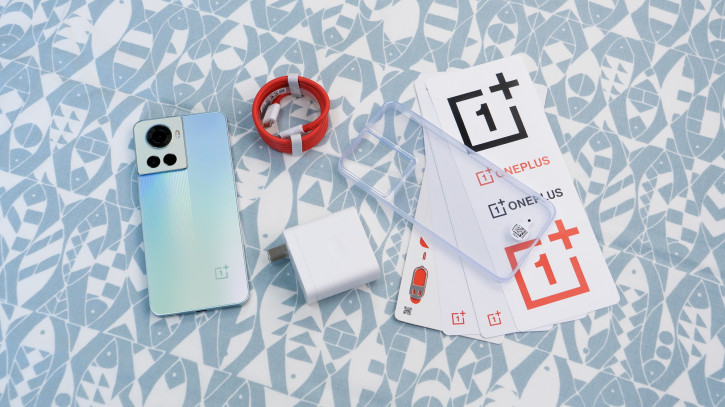
The execution of the case turned out to be controversial.On the one hand, the device looks pretty: the stripes under the camera block are physically felt when touched, and the straight edges are perceived in some way “elitist”. On the other hand, these same edges unpleasantly rest against the palm during operation (without a case), and the plastic cover noticeably vibrates near the photo block when the speakers are working. The frame, by the way, is also made of plastic.

Tea Party!
In addition, long-time fans of the brand, for sure, alreadywe noticed the lack of a toggle switch for switching the sound mode - one of the most easily recognizable features of past OnePlus smartphones. Among other features of the interfaces, it is worth paying attention to the following points:
- The SIM tray holds two nano-SIM cards, there is no slot for a memory card.
- The fingerprint sensor is built into the bottom of the display. It does not work instantly, but quickly. There are no complaints about accuracy, but the location is lower than we would like.
- Multimedia and conversational speakers form a stereo pair of moderate quality. The location of the sound holes allows you to hold your smartphone horizontally and not block the speakers.
- There is no 3.5mm audio jack.

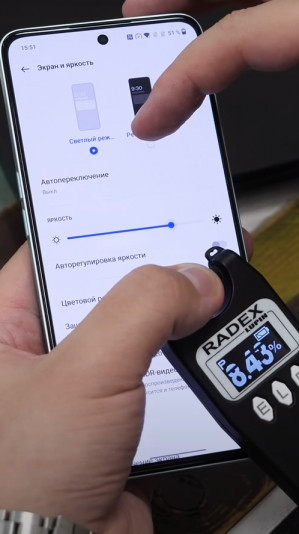
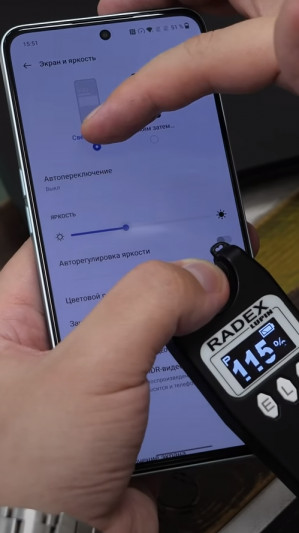
OnePlus 10R has 6.7″ FluidOLED display with a resolution of 2412 x 1080 pixels (20.1:9) and a refresh rate of 120 Hz. Wherever there are no restrictions, the user will enjoy a pleasant, smooth picture with sufficient brightness. Among the nuances, I will note the high PWM, exceeding 100%.
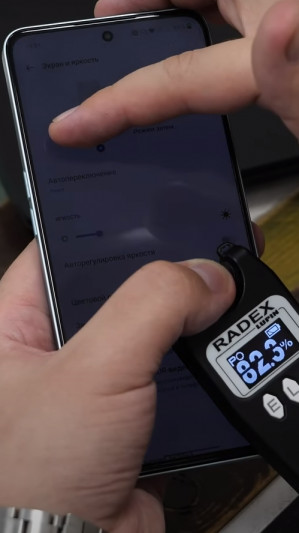
PWM


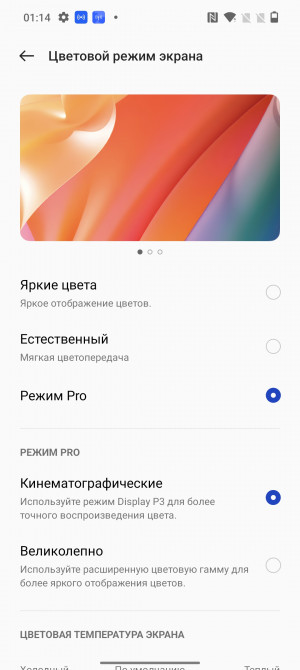
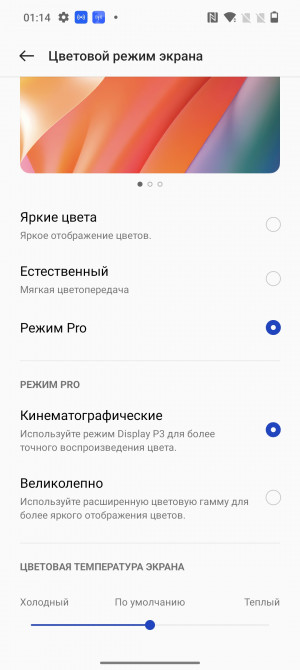
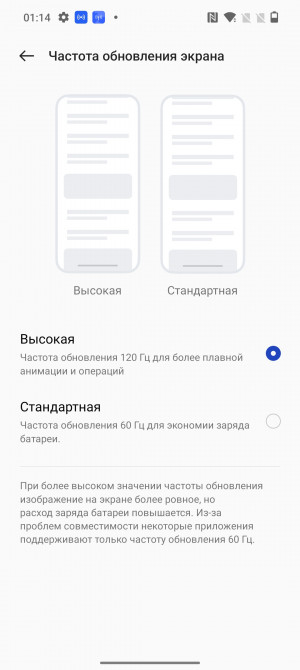
Display settings
Software
OnePlus 10R is officially out of the Russian marketretail, which means that when buying, you should pay attention to the software. In China, the device is called OnePlus Ace and has Color OS on board, while the global version comes with Oxygen OS. Depending on personal preferences, you can either hunt for a specific model or ask the same sellers to reflash your device before shipping. In the video review, we talked about the experience of using both versions (link with timecode).
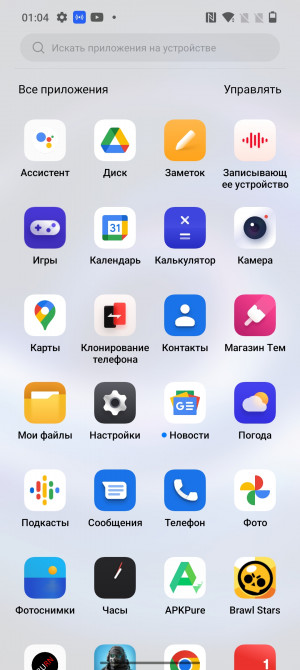
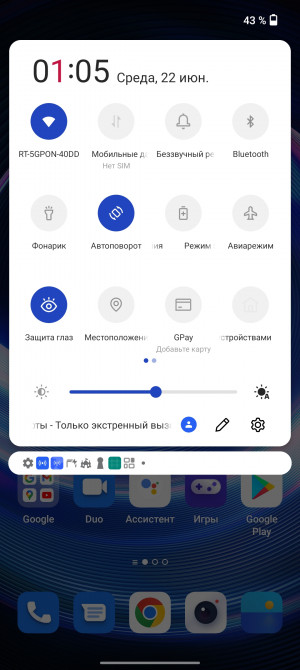
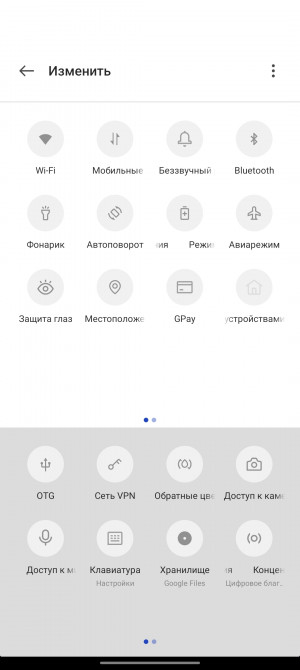
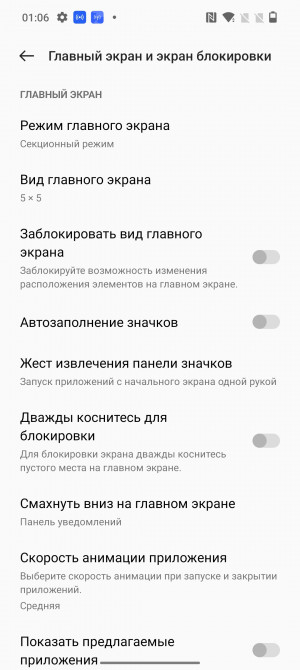
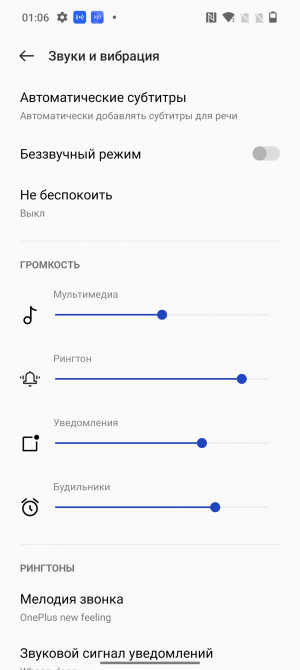
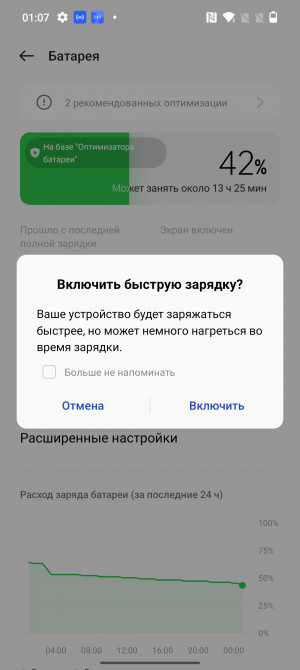
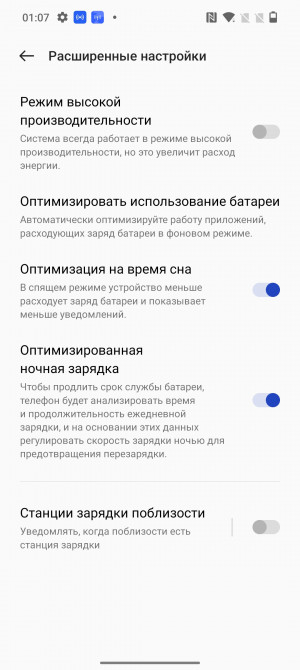
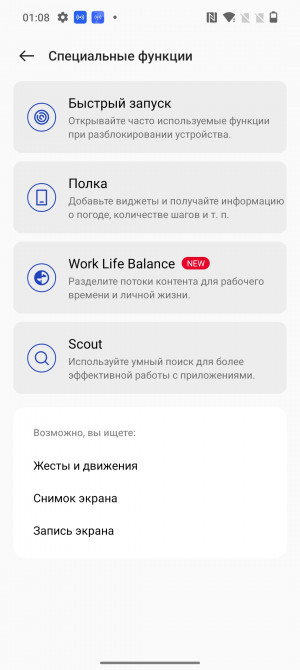
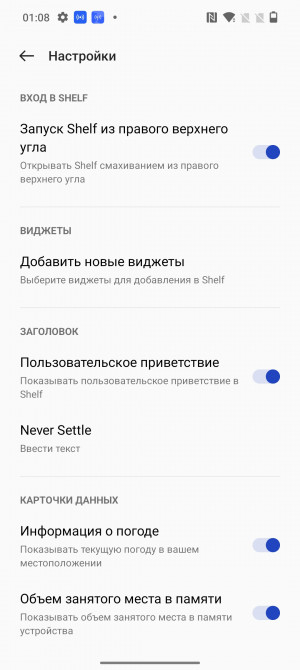
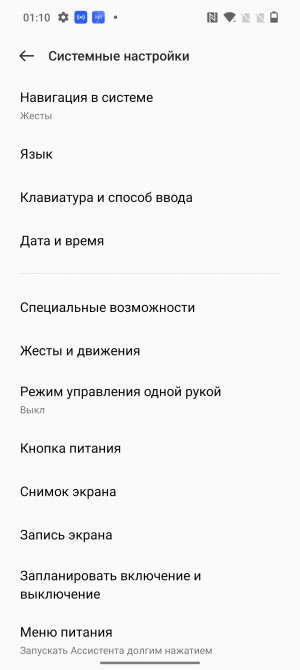
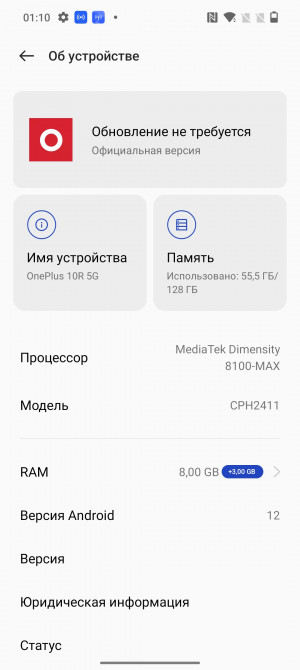
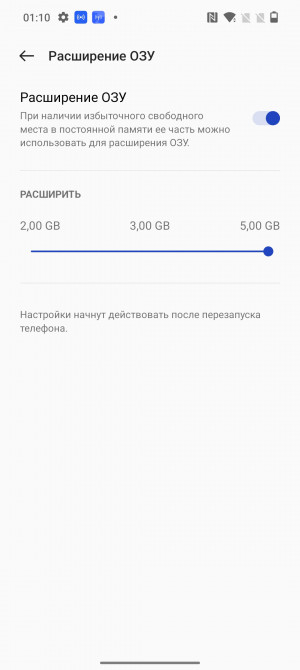
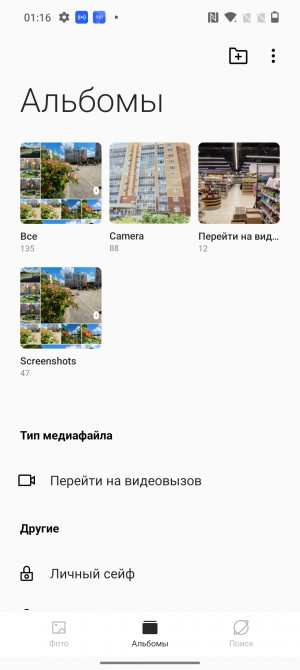
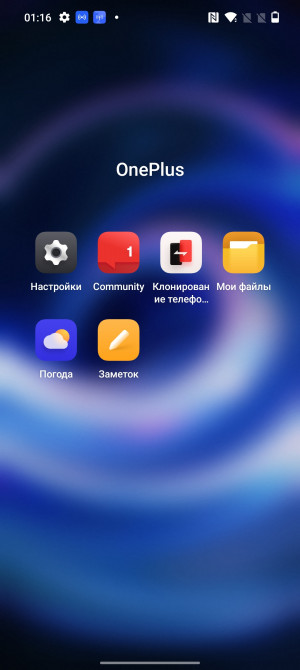
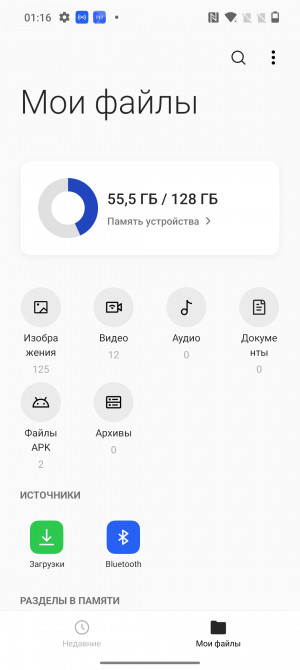
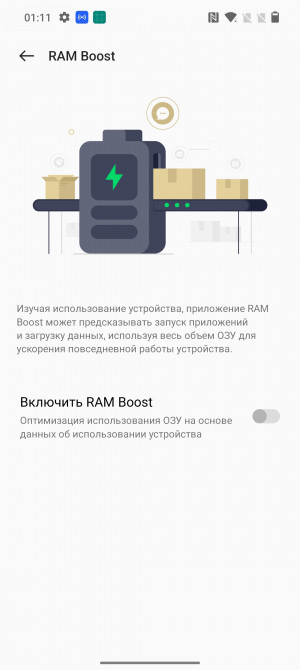
While testing the version on Oxygen OS deviceworked stably. The only thing we noticed was a 60Hz refresh rate in the gallery with the 120Hz option selected. I suggest you familiarize yourself with the shell in detail from the screenshots below.



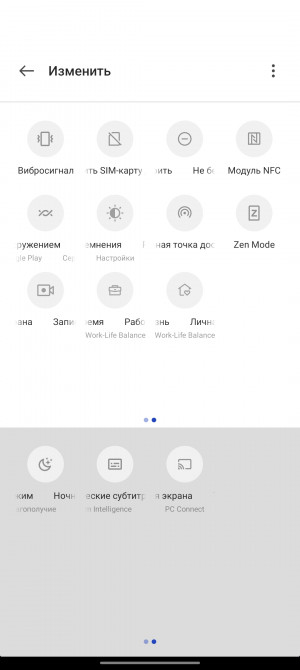
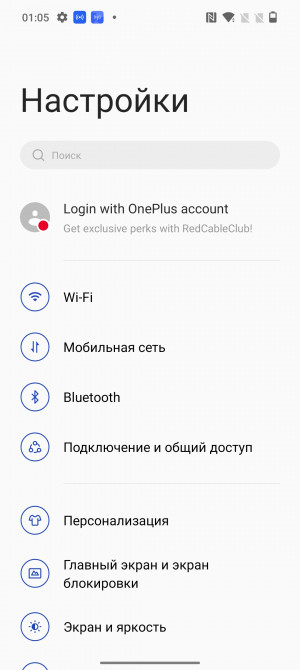
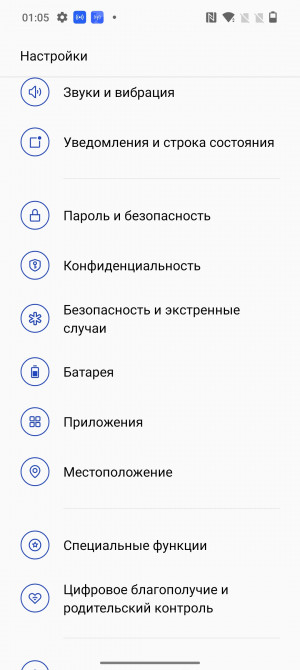

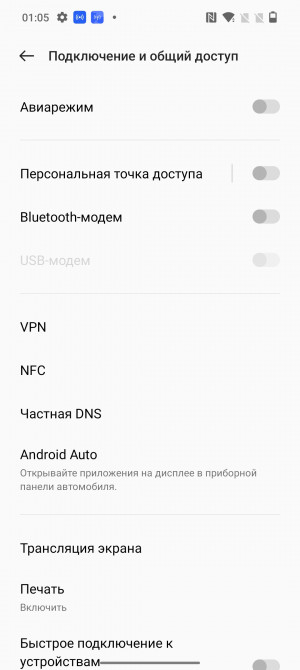








Oxygen OS
Cameras
The photo capabilities of the device consist of four modules:a good Sony IMX766, 50 (→12.5) MP with phase detection autofocus and OIS, a mediocre 8 MP ultra-wide lens, a 2 MP macro plug and a 16 MP selfie camera with fixed focus.
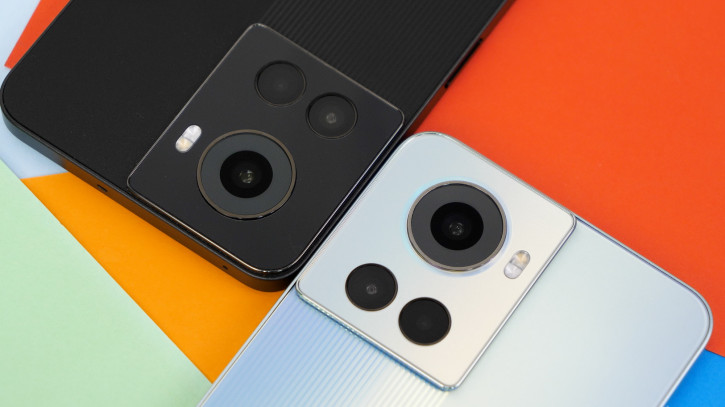
The strongest, main camera offersgood bokeh, moderate detail, often unnaturally saturated colors (especially striking when compared with an ultra-wide-angle camera), and a tendency to overexpose in already bright scenes. In turn, the wide-angle sensor pleases with a capture angle of almost 120 °, shows much more true colors, but suffers from a lack of resolution. With a lack of light, both cameras suffer from noise, but with the “Night” mode on the main sensor, you can achieve more or less tolerable quality.
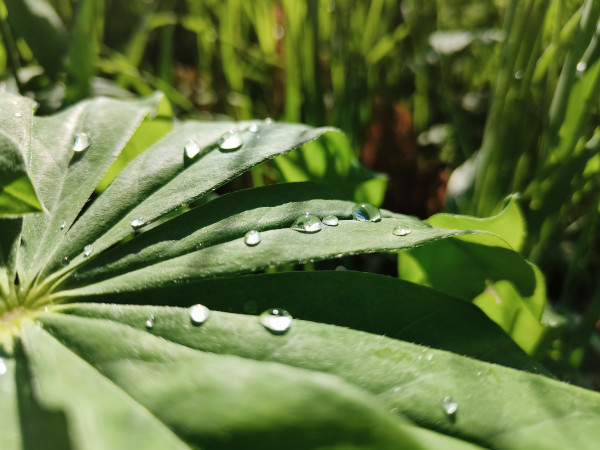


Main camera: close-ups


Main camera: portrait mode and standard




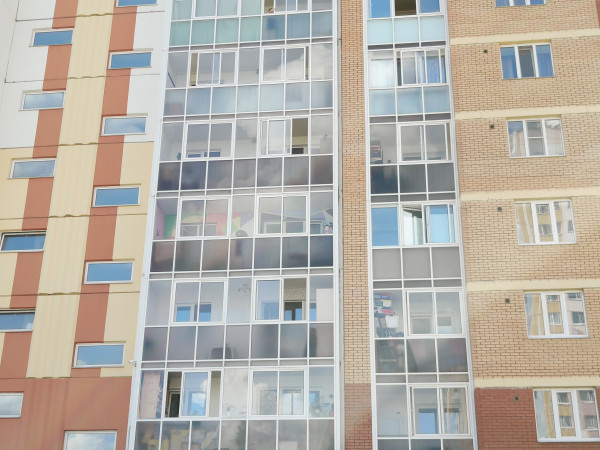

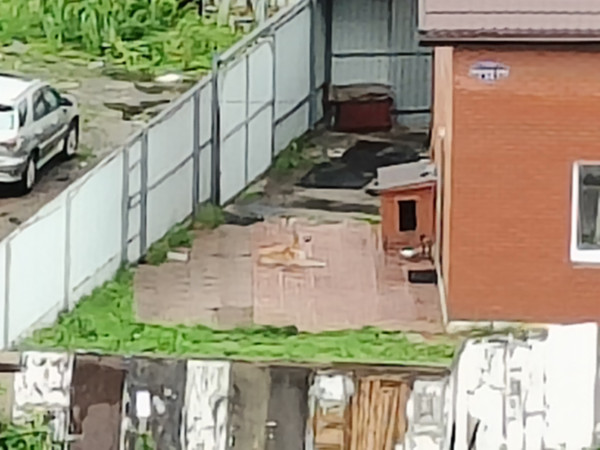
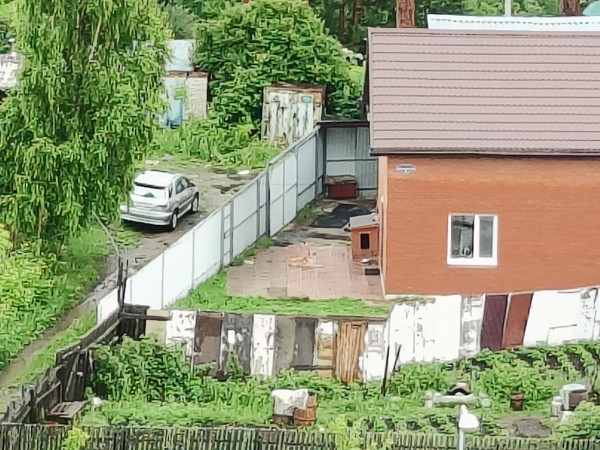

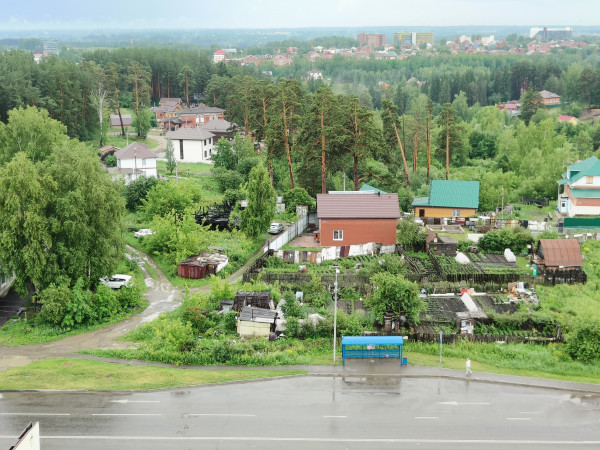




Main camera: zoom



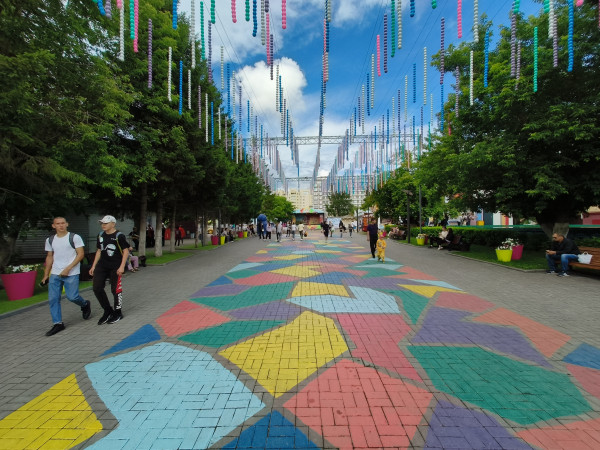


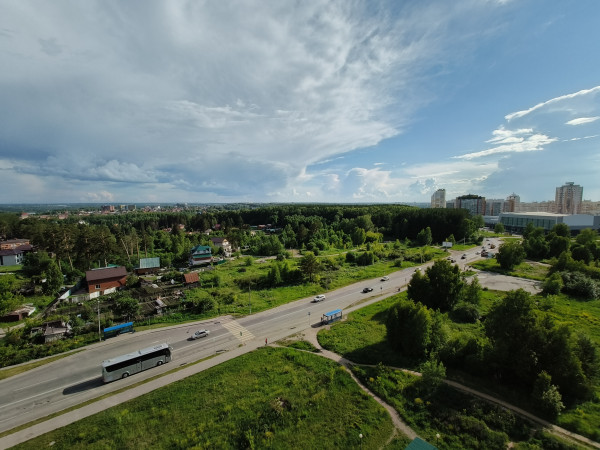
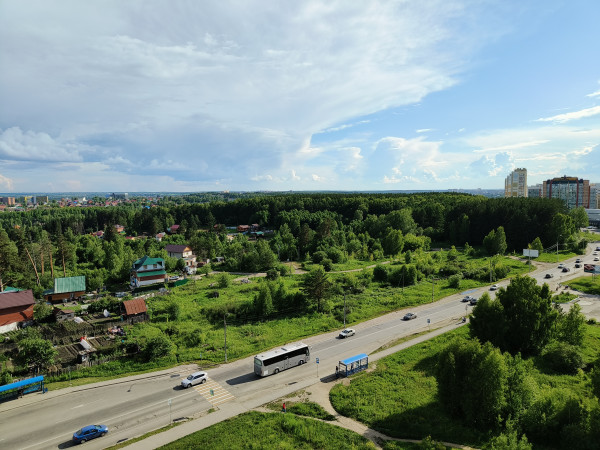


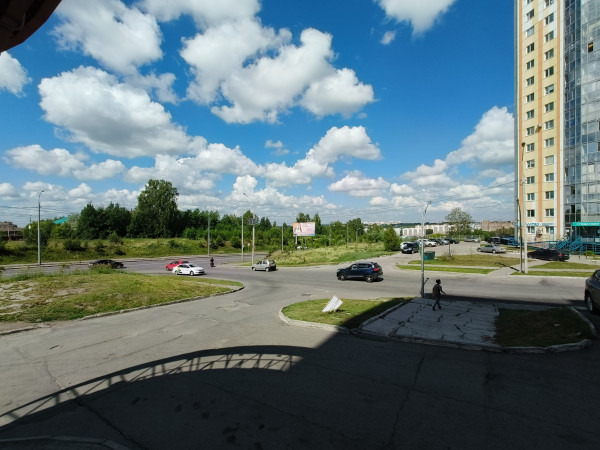
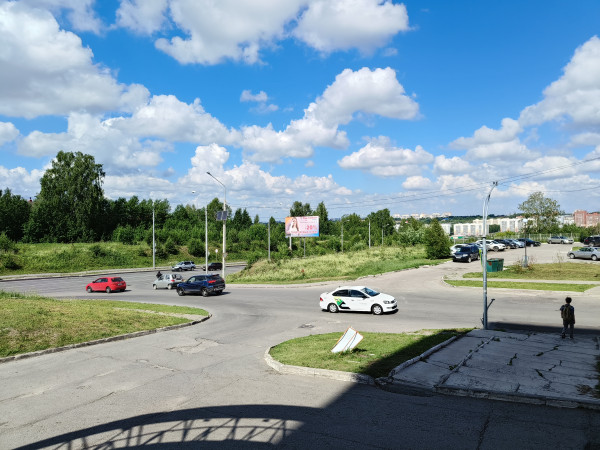
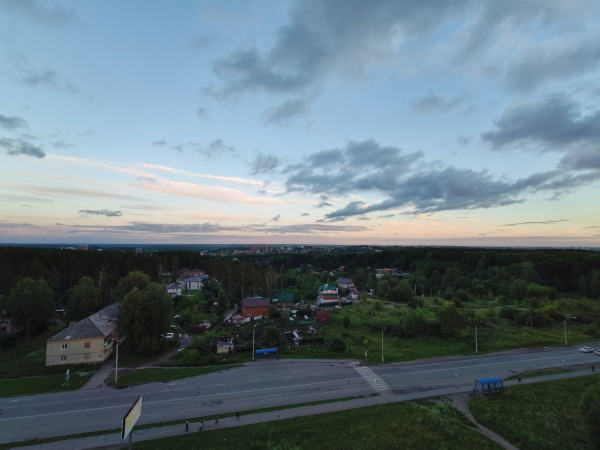
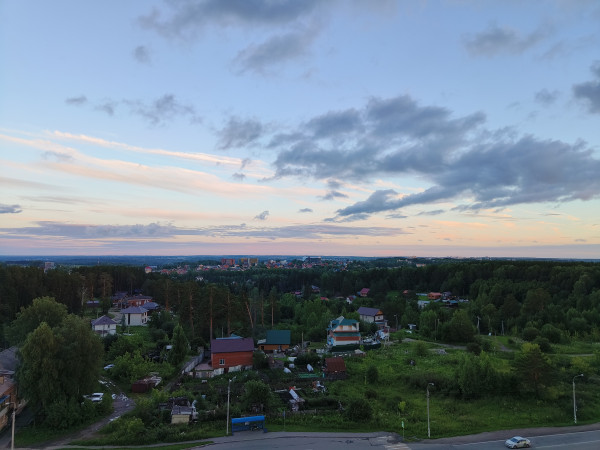
Main and wide-angle cameras

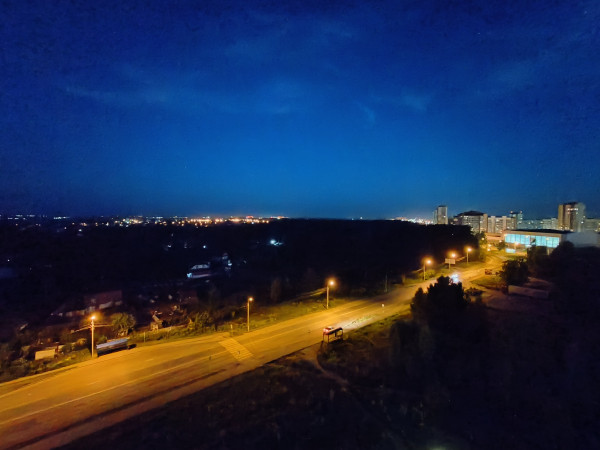
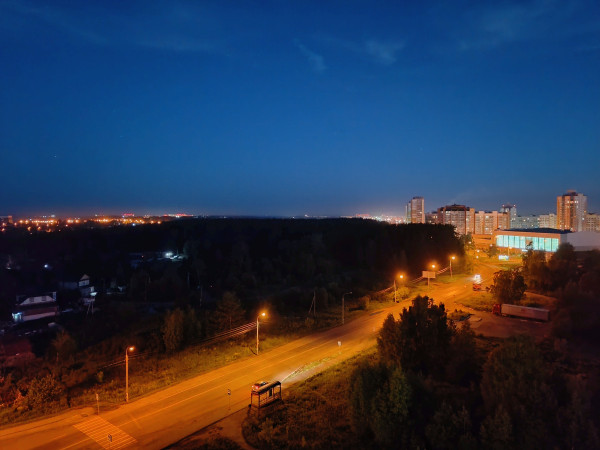
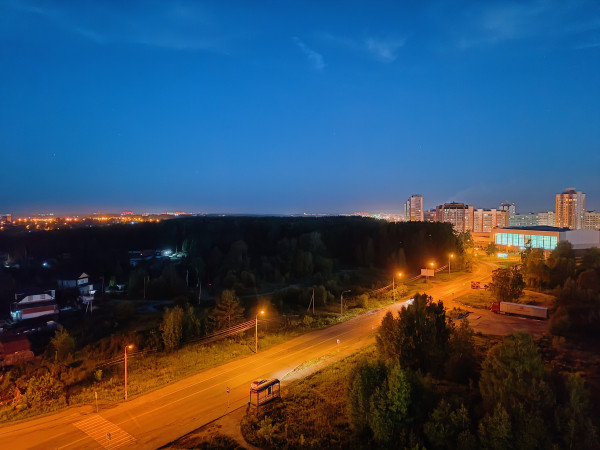
Main and wide-angle cameras: standard and night modes
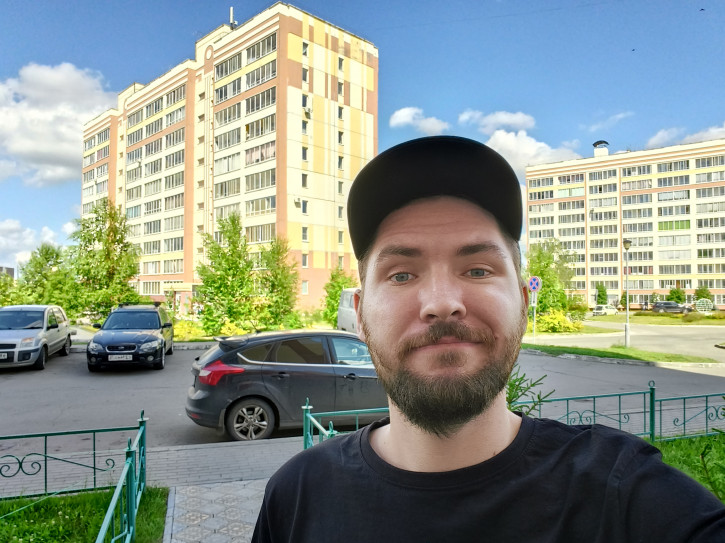

Front camera: standard and portrait modes
Video recording is limited to 4K@30fps formain camera and 1080p@30fps for wide and front. There are no time limits when shooting in 4K. At first glance, it's pretty decent, but there are already a few pitfalls lurking here.
- When shooting with the main camera at 4K@30fps, neither OIS nor EIS work. The picture comes out jerky.
- In the video from the wide-angle sensor, you can sometimes notice "floating" corners.
- You cannot switch between cameras while shooting.
- The front camera strongly “sharps” the image. The texture of the skin is very prominent.
For those interested, I recommend that you familiarize yourself with the examples at the link below and / or in our video review (link with timecode).
Original photos and videos
Performance and tests
The performance of OnePlus 10R is answered by a freshmid-range chipset MediaTek 8100-MAX. It is echoed by 8/12 GB of modern LPDDR5 RAM and 128/256 GB of permanent UFS 3.1. In the settings, it is possible to allocate from 2 to 5 gigabytes of ROM in favor of RAM.

To get the most out of your smartphone,you should select the performance mode in the battery settings, as well as launch the program / game of interest through the game launcher, and then select the “Pro Game Mode” in it.


Throttling test (100 threads, 30 minutes)

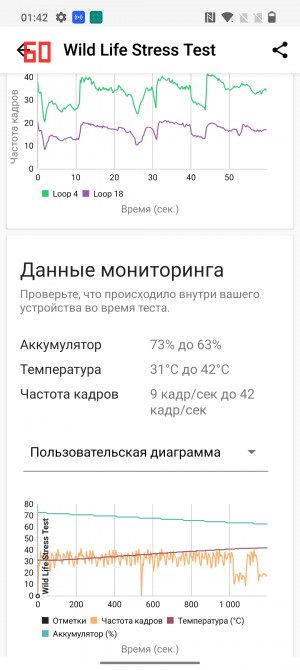
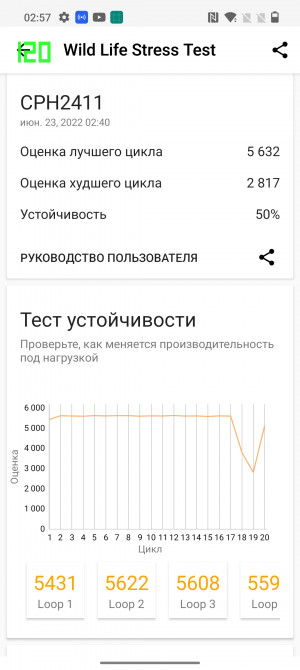


3DMark Graphical Stress Test
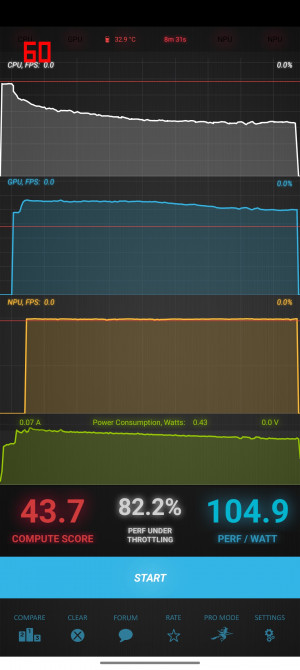

Burnout Benchmark
The situation with games is twofold (at the momentwriting this text). The fact is that the available capacities are smashed against the wall of lack of optimization in a number of popular projects. World of Tanks (WoT) at maximum graphics settings drops right down to ≈30 fps, PUBG allows you to select extreme frame rates only with the “smooth” graphics preset, and Brawl Stars does not produce more than 80 fps. At the same time, such titles as Asphalt 9, New State and Apex run at a stable 60 fps at maximum settings. You can clearly evaluate the gameplay of various games in our separate video (link) about the performance of the Dimensity 8100 using the OnePlus 10R as an example.

Genshin Impact deserves a special mention:during a “cold” start on maximum graphics, you can see 55-60 fps in the city. After ≈10 minutes of warming up, the frame counter drops to 31+ fps in the city and 40+ in the field. There are no microlags or drops. It's more enjoyable to play than on some flagships.

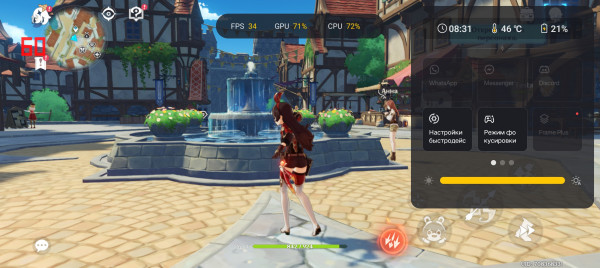
Genshin Impact before warm-up and after
In the gaming path, I also note the dubiousthe situation with the refresh rate of the touch layer. Promotional materials claim 360 Hz physical and 720 Hz software. In fact, in the vast majority of projects, our measurements showed 120 Hz, and 360 Hz was found only in PUBG Mobile and Mobile Legends Bang Bang.
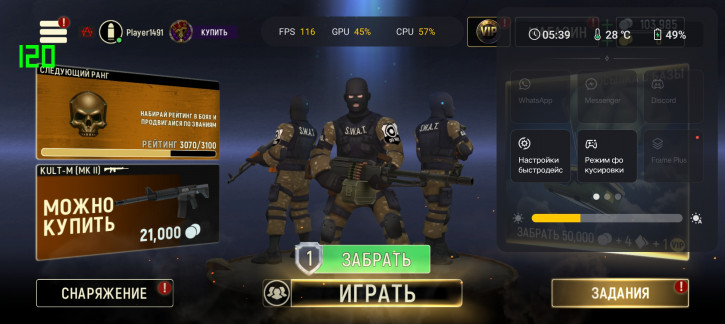
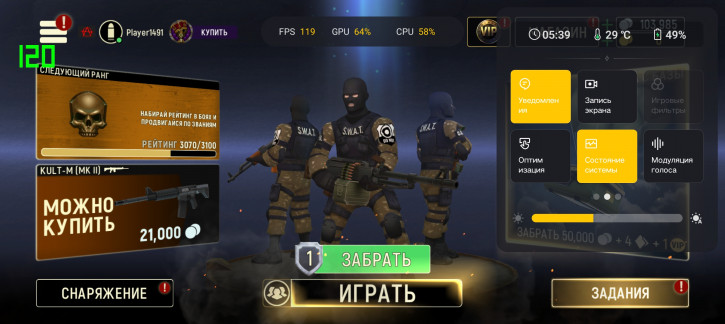

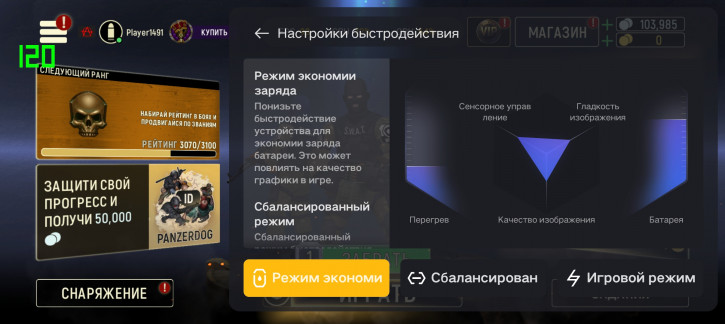
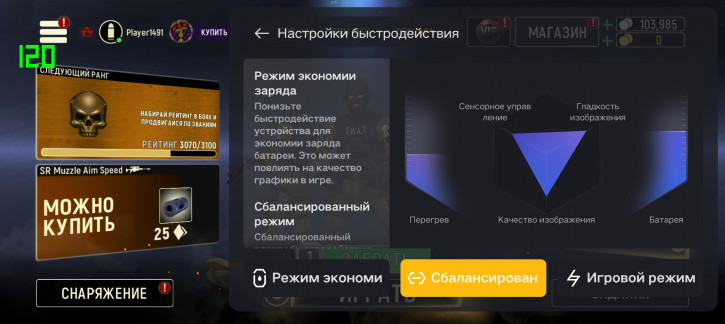
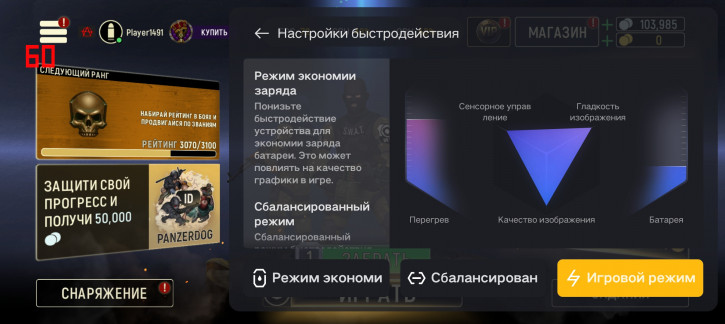

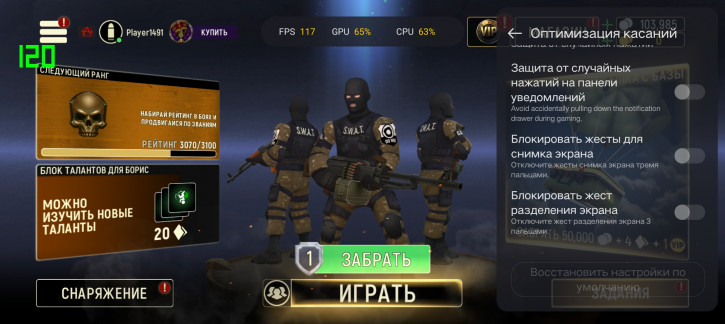
Game launcher overlay
The autonomy of the device and charging time depend onspecific variation. We have on hand a version with a 4500 (2×2250) mAh battery with a 160 W power adapter (the smartphone only accepts 150 W). The charge timings are as follows: 1 minute - 3%, 5 - 37%, 10 - 61%, 15 - 84%, 20 - 100%. That's really fast charging!
The operating time is also good: on a full charge, you can expect about seven hours of screen operation. If we count activities, then:
- 60 minutes of YouTube (Wi-Fi, 50% brightness) consumes 7% of the battery.
- 30 minutes Tacticool (Wi-Fi, 50% brightness, ultra graphics settings) - 12%.
In terms of other technologies, I note:
- Support for 5G, Wi-Fi ax(6) and Bluetooth 5.3.
- Support for high-quality audio codecs aptX HD, LDAC.
- No support for Band 20(used by many operators to provide 4G communications outside cities).
Conclusions
OnePlus 10R (Ace) turned out to be a good average witha number of flagship features and compromises. For its price, it offers, although not supported by everyone, but an intelligent chipset, a bright OLED display with high PWM, really fast charging (in the 150 W version) and decent autonomy, moderate photo capabilities, OIS does not work in 4K shooting , stereo sound of average quality, proprietary OxygenOS shell and controversial, sharp-edged body design.
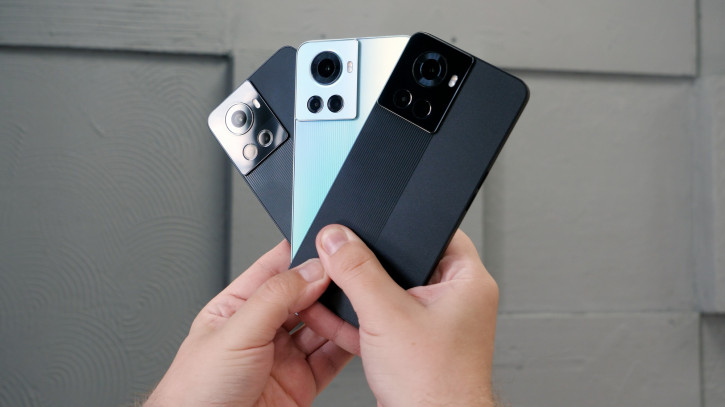
The company failed to make an unambiguous top or “killer” of anything, however, the smartphone may well compete with a whole bunch of analogues both within the BBK family and beyond.
The best discounts and promotions in our Telegram
© Dmitry Pivnev.