The new species was named Homo bodoensis, it lived during the Middle Pleistocene - 774,000–129,000 years ago. Still
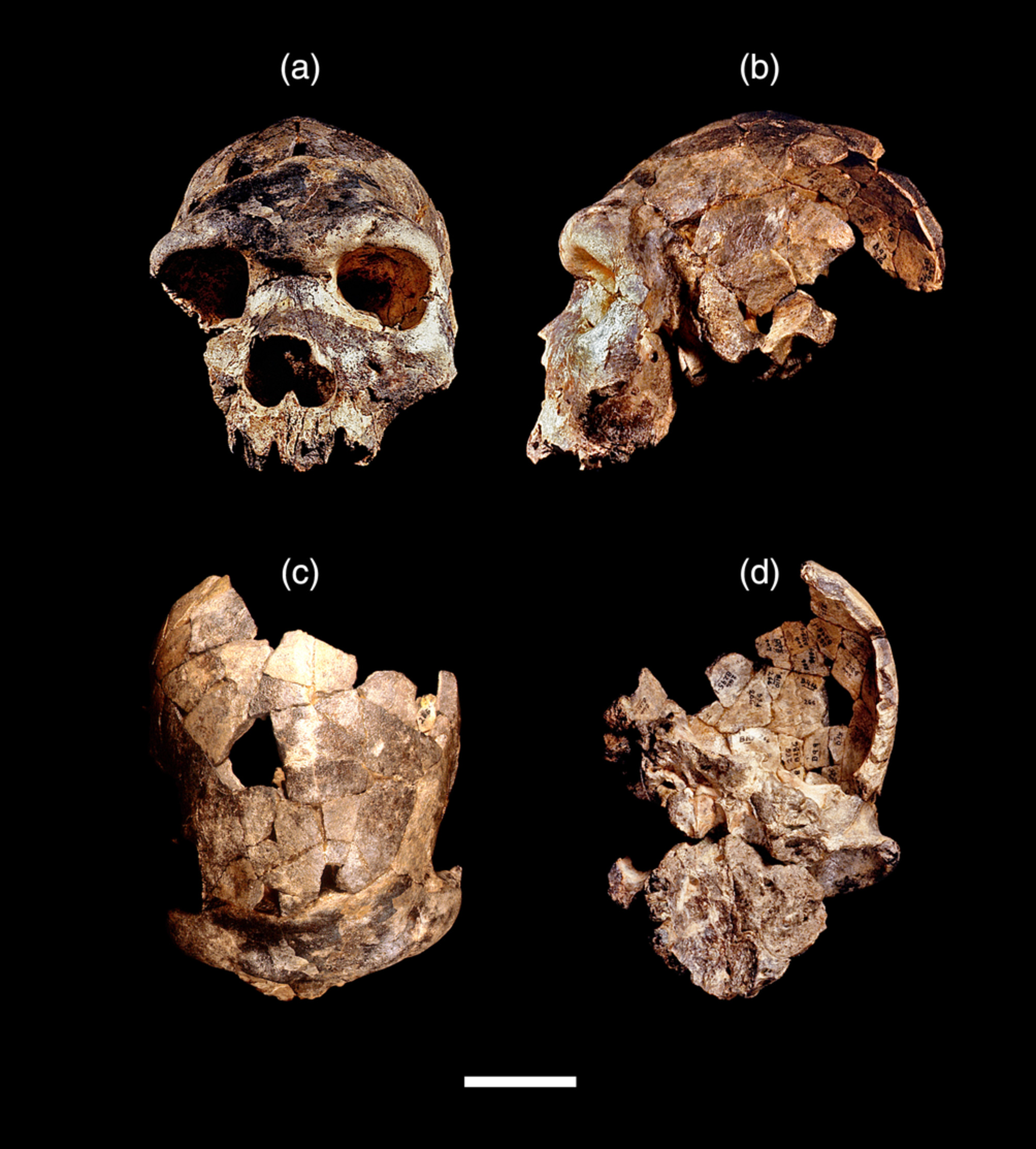
The authors of the new work stated that the new speciesis the direct ancestor of modern humans and proposed a new classification, according to which most Homo finds from Africa and some from Southeast Europe should be attributed to Homo bodoensis. Previously, scientists assigned these fossils classified as Homo heidelbergensis or Homo rhodesiensis.
It became impossible to talk about human evolution during this period of time due to the lack of proper terminology that recognizes the geographical differences of a person.
Mirjana Roksandić, doctor and paleoanthropologist at the University of Winnipeg
Researchers analyzed DNA and found that part of the fossils found in Europe, which were previously attributed to H. heidelbergensis, were actually Neanderthals.
Paleontologists decided to sort out this confusion and, in a new work, published an argumentative basis in favor of the fact that the new species - Homo bodoensis - is different from Neanderthals.
According to the proposed classification, H.bodoensis is the majority of Middle Pleistocene humans living in Africa and southeastern Europe, and most of the species that inhabited Europe would be classified as Neanderthals.
In science, terms should be clear to facilitate communication. They should not be considered absolute if they contradict the fossil record.
Predrag Radovich, employee of the University of Belgrade.
Read more:
A millisecond instead of 30 trillion years for a task: China introduced a new quantum computer
Our quantum computer, nuclear power and collider: what breakthroughs to expect in Russian physics
On scraps of DNA of one of the most famous Indians, his living great-grandson was found